Top Emergency Plumbers in Savanna, IL, 61074 | Compare & Call

There are 9 plumbing companies server in Savanna IL

Ragan Mechanical
Ragan Mechanical is a trusted plumbing, heating, and air conditioning contractor serving Davenport, IA, and the broader Quad Cities region since 1958. With decades of experience, they provide comprehe...

Jerry's Plumbing Heating & Pump is a trusted, family-owned plumbing service proudly serving Sabula and the surrounding communities. With over 35 years of hands-on experience, Jerry and his team bring ...

Lachcik Construction is a trusted, locally-owned contractor serving Forreston, IL, and the surrounding area. We specialize in a wide range of home improvement and repair services, from comprehensive b...
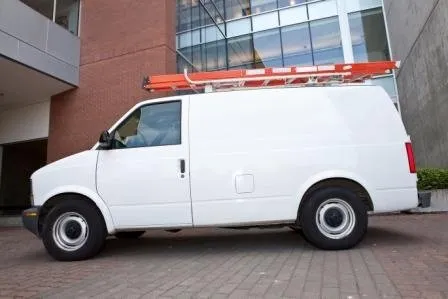
Anchor Maintenance Services is a Savanna-based company serving the local community with over three decades of facility management experience. We specialize in providing reliable maintenance and repair...
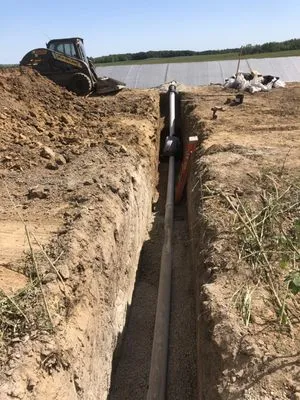
Molitor Plumbing is a family-owned plumbing and bathroom remodeling company serving Stockton, IL, and surrounding Northwest Illinois and Southern Wisconsin communities since 1991. Founded by Ted and J...
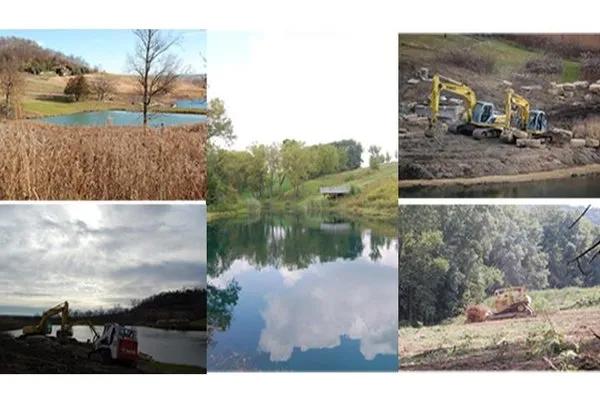
Vincent Earth Moving
Vincent Earth Moving, Inc. has been a cornerstone of the Elizabeth, IL community since 1987, providing reliable excavation and plumbing services across Jo Daviess, Lafayette, Stephenson, Carroll, and ...
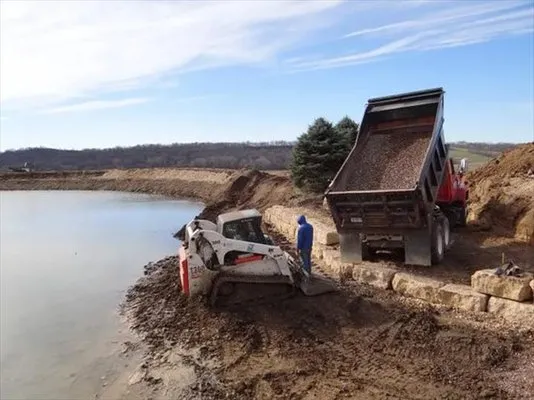
Primary Contractors, Inc. (PCI) has been a trusted local excavating and contracting business serving Elizabeth, Illinois, and the surrounding Jo Daviess, Carroll, and Stephenson counties since 2004. A...
Klein Plumbing & Heating is a trusted, locally-owned plumbing service in Savanna, IL, dedicated to keeping homes and businesses running smoothly. We specialize in comprehensive plumbing inspections to...
Miller Plumbing & Heating has been a trusted provider of plumbing and HVAC services in Savanna, IL, and the surrounding areas since 1991. As a licensed and established local business, we specialize in...
Estimated Plumbing Costs in Savanna, IL
Frequently Asked Questions
Does Mississippi River water ruin water heaters and fixtures?
The mineral content in our river-sourced water is high, leading to hard water and rapid scale formation. Inside a water heater, this scale acts as an insulator on the heating elements, forcing them to work harder and fail prematurely. On faucets and showerheads, scale clogs the aerators, reducing pressure. Installing a water softener can significantly extend the life of all your water-using appliances and fixtures.
Are there special plumbing concerns for a rural home near Savanna?
Rural properties often rely on private wells and septic systems, which municipal plumbers may not handle. Well pumps, pressure tanks, and the network of pipes to outbuildings require specific expertise. Septic system maintenance, including jetting the lateral lines to the drain field, is crucial to prevent backups. These systems are interdependent, and a problem with one often affects the other.
Could the hilly land around here cause plumbing problems?
The sloped terrain, similar to the bluffs at Mississippi Palisades State Park, puts unique stress on plumbing. A home's main water line, running from the street to the house, can be stretched or compressed as the soil shifts with freeze-thaw cycles and erosion. This movement can lead to leaks at the service entrance or cause the line itself to crack. Properly sleeving the line during installation mitigates this risk.
Who handles the permits if I need to replace my main sewer line?
Carroll County Building and Zoning oversees the permits for any excavation and sewer line work. As a Master Plumber licensed by the Illinois Department of Public Health, I pull those permits and schedule the required inspections as part of the job. My credential means the work meets state code. I handle that red tape so you don't have to navigate it yourself.
If I have a plumbing emergency, how quickly can a plumber get to Savanna?
Heading past Mississippi Palisades State Park on US Route 52 is the main route into Savanna. From my shop, that puts me about 45 minutes out under normal conditions. For urgent calls, I'm on the road immediately. I plan for that drive because I know a burst pipe or a failed water heater won't wait, especially for folks living along the river bluffs.
What's the most important thing to do for my plumbing before spring?
The critical task is to disconnect and drain any outdoor hose bibs before our December lows hit 12°F. A frozen bib can burst the pipe inside your wall. Come the spring thaw, that ice melts and the leak manifests, often causing unseen water damage. It's a simple five-minute job that prevents a major repair. Insulating exposed pipes in crawlspaces is also wise for our temperate but variable climate.
My Savanna Downtown home has old pipes, and I'm getting rusty water. What's happening?
Houses here were built with galvanized steel plumbing around 1944. In 2026, that means the pipes are 82 years old. At this age, the interior zinc coating has completely worn away, leaving bare steel exposed to water. You're seeing rusty, discolored water because the metal is actively corroding from the inside out. This corrosion also severely restricts water flow and creates weak points throughout the system.
Why do my galvanized pipes keep springing pinhole leaks?
Galvanized steel pipes installed in the 1940s suffer from internal corrosion and scale buildup. Over eight decades, mineral deposits from our hard water create a crust inside the pipe, while the steel itself rusts. This process creates extreme internal pressure. The pipe wall weakens until it perforates, causing a pinhole leak. These leaks often appear first at threaded joints or along horizontal runs where sediment settles.
