Top Emergency Plumbers in Santa Anna, IL, 61842 | Compare & Call

There are 78 plumbing companies server in Santa Anna IL
Clean Line Sewer Septic & Plumbing has been a trusted name in Danville and the surrounding area for over four decades, since 1982. We've built our reputation on providing quick, reliable service at af...
Patriot Plumbing is a trusted, locally-owned plumbing service in Monticello, IL, dedicated to keeping local homes safe and functional. We understand the common challenges Monticello homeowners face, s...
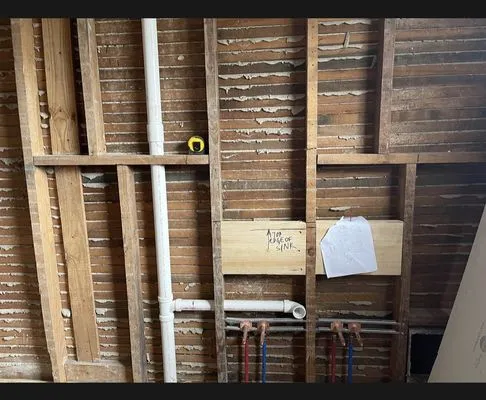
Next Level Plumbing is a trusted, locally-owned plumbing company serving Urbana and the greater Champaign County area. Founded in 2023, our team of licensed and insured professionals is dedicated to p...

All Pro Heating AC Plumbing
All Pro Heating AC Plumbing, LLC, is a licensed and bonded, veteran & family-owned plumbing and HVAC contractor proudly serving Tuscola, IL, and surrounding communities including Hammond, Champaign, T...
T.R.U.E Plumbing has been serving Champaign, IL homeowners and businesses with reliable plumbing solutions for over a decade. Our name stands for Trustworthy, Reliable, Understanding, and Efficient—va...

Mattex has been serving Champaign, IL, and surrounding communities since 1994 as a trusted, family-owned provider of HVAC, plumbing, and electrical services. With over three decades of experience, we ...
Urbana Plumbing & Heating
Urbana Plumbing & Heating is a family-owned plumbing service that has been serving the Urbana, IL community since 1959. With four generations of expertise, we specialize in residential plumbing repair...
Vogelsang Plumbing is a third-generation, family-owned plumbing company proudly serving Gifford and the surrounding communities for over 70 years. Founded by Charles Vogelsang at Chanute Air Force Bas...
Mike Williams Plumbing, Heating, Air Conditioning & Sewer
Mike Williams Plumbing, Heating, Air Conditioning & Sewer has been the trusted name for Champaign homeowners since 1976, providing a full spectrum of essential home services. As the Customer Care Mana...

Schoonover Sewer Service is a family-owned sewer and drain specialist serving Champaign, IL, and over 70 East Central Illinois communities since 1985. Founded by George Schoonover from his home in Mah...
Estimated Plumbing Costs in Santa Anna, IL
FAQs
How quickly can a plumber reach my home in Santa Anna during an emergency?
Heading past DeWitt County Museum on US Route 54, a dispatch route covers most of Santa Anna within 45 to 60 minutes. This timing accounts for rural road conditions and avoids congested urban delays. We prioritize emergencies like burst pipes or sewer backups to minimize water damage, with clear communication on estimated arrival.
Does Santa Anna's hard water damage appliances or plumbing fixtures?
Water from the Mahomet Aquifer contains high mineral content that causes scaling. Over time, limescale builds up inside water heaters, reducing efficiency and shortening lifespan. Fixtures like showerheads and faucets develop reduced flow as mineral deposits clog aerators. Installing a water softener or descaling valves periodically can mitigate these effects.
As a rural homeowner in Santa Anna, what unique plumbing issues should I watch for?
Rural properties often rely on wells and septic systems instead of municipal services. Well pumps can fail from hard water scaling, while septic tanks require regular pumping to avoid drain field clogs. Pressure tanks may need adjustment for consistent flow, and water quality testing is advised to detect contaminants from the aquifer.
Could the flat land around Santa Anna affect my home's drainage or sewer line?
Plain terrain near DeWitt County Museum lacks natural slope, which can lead to poor drainage and soil saturation around foundations. This puts stress on main sewer lines as standing water increases hydrostatic pressure. Proper grading and French drains help direct water away, preventing backups and foundation cracks that compromise plumbing integrity.
What should I do to prepare my plumbing for Santa Anna's cold winters?
With lows around 18°F and spring thaw causing pressure spikes, insulate exposed pipes in unheated areas like crawl spaces. Drain outdoor spigots before freezing temperatures hit, and keep cabinet doors open to allow warm air circulation. Monitor for leaks after thaws, as frozen pipes can crack when ice expands and then melts rapidly.
Why do my old pipes keep springing small leaks even after repairs?
Galvanized steel from 1962 often develops pinhole leaks due to internal corrosion and joint calcification. As the pipe walls thin from decades of water exposure, weak spots form where minerals accumulate. These leaks typically appear at threaded connections or along pipe runs, requiring replacement rather than patch fixes to prevent recurrence.
My house in Downtown Santa Anna was built in the 1960s—should I be worried about the plumbing?
Galvanized steel pipes installed around 1962 are now 64 years old. At this age, the zinc coating has worn off, exposing the underlying steel to corrosion. Homeowners in Downtown Santa Anna often notice reduced water pressure, rust-colored water, or frequent leaks. The metal becomes brittle over decades, making failures more common as internal scale buildup accelerates deterioration.
Who handles permits and inspections for plumbing work in DeWitt County?
I coordinate with the DeWitt County Building and Zoning Department for permits and follow Illinois Department of Public Health codes for installations. This includes septic system approvals, well modifications, and pipe replacements. Handling this red tape ensures work meets local standards, so homeowners avoid compliance issues or fines.
