Top Emergency Plumbers in Rutland, IL, 60118 | Compare & Call

There are 31 plumbing companies server in Rutland IL

Tri-County Plumbing & Backflow LLC brings two decades of specialized expertise to Waterman and Northern Illinois, focusing on backflow prevention for irrigation, fire, and domestic water systems. As a...
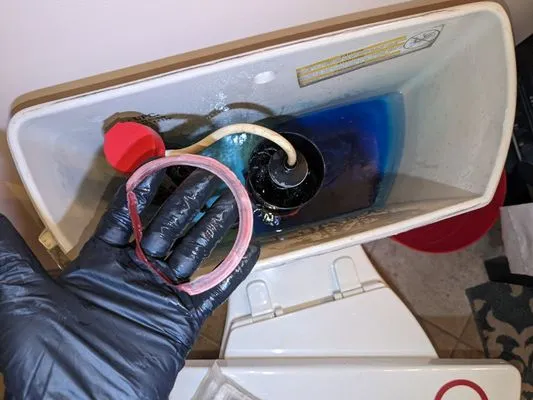
Superior Fix Handyman in Plainfield, IL, is a locally-owned and licensed service dedicated to providing reliable solutions for your home's electrical and plumbing needs. We understand that problems li...
R Maquet Plumbing is your trusted local plumbing expert serving Pekin, IL and surrounding areas. With years of experience, we provide comprehensive plumbing solutions including drain installation and ...
Tiger Plumbing, Heating, Air Conditioning, & Electrical Services
Tiger Plumbing, Heating, Air Conditioning, & Electrical Services is a trusted local provider in Peoria, IL, dedicated to addressing the full range of home system needs. From fixing a leaky faucet and ...

At Smittys Do It All in Pekin, IL, we believe in being the reliable, go-to help for our neighbors. With over 20 years of hands-on experience, including 16 years as a union laborer, owner Smitty unders...
Bailey Plumbing Co. is a trusted plumbing and water-softening provider serving Morton, IL, and the surrounding communities of East Peoria, Pekin, Peoria, Metamora, Tremont, Dunlap, and Washington. Fou...
Derek Bell Plumbing
Derek Bell Plumbing is a trusted, licensed, and insured plumbing company serving Green Valley, IL, and the broader Central Illinois region for over a decade. We handle plumbing projects of all scopes,...

Five Star Bath Solutions
Five Star Bath Solutions is a trusted, local plumbing and remodeling service in Springfield, IL, dedicated to providing reliable solutions for your home. We specialize in a comprehensive range of serv...

Mr. Rooter Plumbing of Peoria brings reliable plumbing service to our Central Illinois neighbors. Founded in 1970 by David Duck, who remains a franchise owner today, the Mr. Rooter brand was built on ...
Busy Beez in Pekin, IL is a locally owned and operated handyman and remodeling service founded on a genuine passion for helping people restore and improve their homes. What began as a personal drive t...
Estimated Plumbing Costs in Rutland, IL
Frequently Asked Questions
How fast can a plumber get to my house in Rutland?
From a central dispatch point near Rutland Village Hall, the main route is north onto I-39. This provides direct access to most of the area. A 45-60 minute response is standard, accounting for traffic and the final mile on rural roads. Knowing these routes allows for efficient routing to get a truck on your property without unnecessary delay.
As a rural homeowner, what unique plumbing systems should I maintain?
Your two critical, privately-owned systems are the well and the septic system. For the well, annual water testing is advised, and the pressure tank and switch require periodic inspection. For the septic system, regular pumping every 3-5 years is non-negotiable to prevent solids from entering the drain field and causing a costly failure. Neglecting these because they're out of sight is the most common mistake rural homeowners make.
What permits are needed for a water heater or repipe in Rutland?
LaSalle County Building Department requires permits for water heater replacements and any major repiping, which includes an inspection. As a licensed plumber, I pull these permits on your behalf and ensure the work meets Illinois Department of Public Health code. This handles the red tape for you and provides an official record for your home, which is important for insurance and future resale.
How does having a private well with hard water affect my plumbing?
Private wells here often pull from mineral-heavy aquifers, leading to significant scale buildup. This scale acts as an insulator inside water heaters, drastically reducing efficiency and causing premature element failure. In fixtures, it restricts flow and degrades washer and cartridge seals. A whole-house water softener is not just for comfort; it's a protective measure for your water heater, faucets, and the entire distribution system.
What should I do to my pipes before winter in LaSalle County?
While our 14-degree lows aren't extreme, the spring thaw is the real concern. Water from melting snow saturates the ground, which then refreezes at night, shifting soil and stressing buried main lines. The pro-tip is to ensure your exterior hose bibs are fully drained and shut off from inside the house before the first hard freeze. Also, check that the ground around your main line entry point is properly graded to drain meltwater away from the foundation.
Could the flat land around here cause drainage issues for my plumbing?
The relatively plain terrain means drainage relies heavily on proper grading. If the soil around your foundation or near Rutland Village Hall has settled flat or slopes toward the house, storm and meltwater has nowhere to go. This saturated ground puts constant hydrostatic pressure on your foundation and can overwhelm perimeter drain tiles, leading to water intrusion into basements and putting stress on the main sewer line exiting the home.
Why are my pipes suddenly failing in my Rutland home?
Rutland's copper plumbing was installed around 1971, making it 55 years old as of 2026. Copper of that age in Central Rutland is entering its failure window. Homeowners are now seeing persistent pinhole leaks, especially in horizontal runs behind walls, where decades of water flow have thinned the pipe walls. The original installation techniques and solders from that era are also reaching their material lifespan, leading to joint failures that weren't common a decade ago.
What is the most common plumbing repair for a 1970s Rutland home?
The primary repair is addressing pinhole leaks in copper lines. After 55 years, the interior of the pipes develops areas of corrosion that eventually perforate. This is often accelerated by the local water chemistry. Repairs typically involve cutting out the failed section and replacing it with new copper or approved PEX, using dielectric unions if connecting to newer water heater nipples to prevent galvanic corrosion.
