Top Emergency Plumbers in Rosewood Heights, IL, 62018 | Compare & Call

There are 70 plumbing companies server in Rosewood Heights IL

The Quick Fix Hero is your trusted, local handyman service in St. Peters, MO, founded on the belief that everyone deserves reliable help for everyday home repairs. We bridge the gap between DIY attemp...
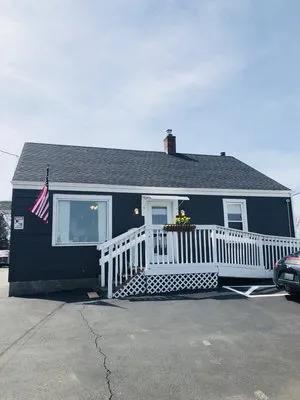
McCartney Plumbing is a trusted, family-owned plumbing service serving Saint Charles, MO, and the surrounding communities. We provide comprehensive solutions for homeowners, from routine faucet repair...

ABC Plumbing & Services is a family-owned and operated plumbing business serving Grubville, MO, and the surrounding region for over 20 years. As a fully licensed plumber in St. Louis City and County, ...
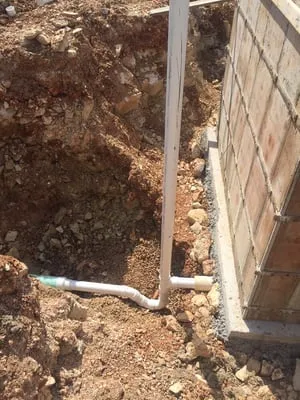
Above All Plumbing is your trusted local plumbing expert serving Hillsboro, MO, and the surrounding areas. We specialize in resolving the common plumbing challenges faced by homeowners, from stubborn ...

Right Now Plumbing is a 4th-generation, family-owned business that has been a trusted fixture in the St. Louis community since 1992. With over 25 years of hands-on experience, our team of licensed pro...
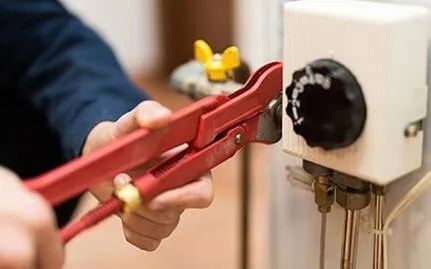
Acorn Plumbing LLC has been serving the Saint Charles, MO community for over 20 years, bringing extensive knowledge and skill to every plumbing project. Based right here in St. Charles, we're your loc...
Bieg Plumbing & Mechanical
Bieg Plumbing & Mechanical has been a trusted name in St. Louis since 1960. Originally founded as Bieg Plumbing Company, we began with a simple mission to provide reliable plumbing services to our com...
PS Rapp Sewer & Plumbing
PS Rapp Sewer & Plumbing is a family-owned plumbing and remodeling service that has been serving the St. Louis area since 1975. With over 43 years of ownership by Cecilia, the company is deeply rooted...
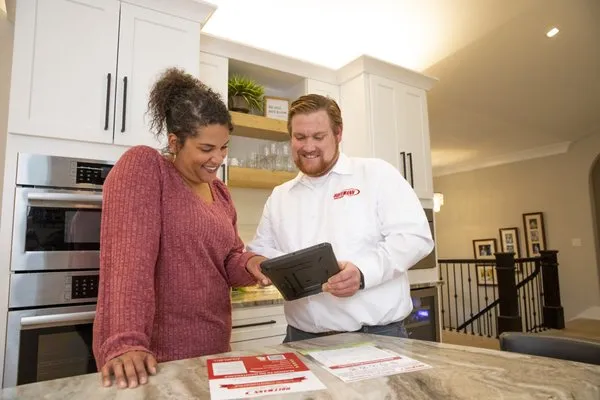
Hoffmann Brothers
For over 40 years, Hoffmann Brothers has been the trusted plumbing resource for families and businesses across the greater St. Louis area. Our experienced plumbers provide a comprehensive range of ser...
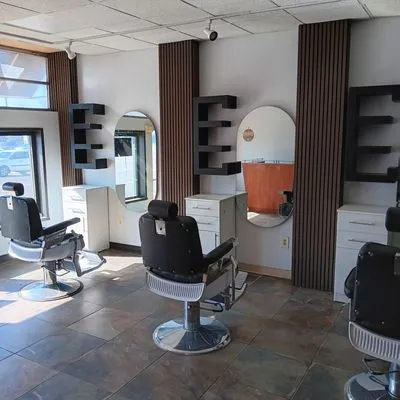
Vertex Specialty Contractors
At Vertex Specialty Contractors in Saint Louis, MO, we offer reliable home services with a focus on honesty and clear communication. Our team handles everything from roofing and plumbing to electrical...
Estimated Plumbing Costs in Rosewood Heights, IL
Common Questions
Can the flat land here cause plumbing problems?
The plain terrain around Gordon Moore Park and throughout the village means natural drainage is minimal. During heavy rains, saturated soil can put lateral pressure on your main sewer line, potentially causing joint shifts or cracks. It also means tree roots, seeking moisture, can travel far and infiltrate sewer lines more easily than in sloped areas where water runs off.
What's one plumbing tip for the Rosewood Heights winter?
Our temperate climate means the real risk is the spring thaw following a freeze. A specific pro-tip is to disconnect and drain your garden hoses in late fall and shut off the interior valve to the outdoor faucet. This prevents a minor overnight freeze at 22 degrees from turning into a burst pipe when things warm up rapidly, as trapped ice expands and has nowhere to go.
Does Mississippi River water damage my plumbing fixtures?
The river is our municipal source, and its mineral content creates very hard water. This leads to heavy scale buildup, particularly inside water heaters and on faucet aerators. Over time, scale acts as an insulator in your water heater, forcing it to work harder and fail sooner. You'll also notice reduced flow from showerheads and faucets as the small passages clog with mineral deposits.
Who pulls permits for a water heater replacement or repipe job?
Any significant plumbing alteration requires a permit from the Village of Rosewood Heights Building Department and must meet Illinois Department of Public Health code. As a licensed master plumber, I handle that red tape for you—filing the paperwork, scheduling inspections, and ensuring the work is documented correctly with the village so you don't have to.
I'm on city water and sewer in Rosewood Heights Residential. What should I watch for?
Municipal pressure is generally consistent, but aging galvanized supply lines can't handle modern pressure as well. A sudden drop in pressure throughout the house often signals a major restriction or collapse in those old lines. For the sewer lateral, the primary concern is root intrusion from mature neighborhood trees into the pipe joints, which is the most common cause of backups in our suburban setting.
How old are the pipes in my Rosewood Heights home, and what problems should I expect?
Homes built here around 1959 have 67-year-old galvanized steel plumbing. At this age, the interior zinc coating has completely worn away, leaving the raw steel exposed. What you're likely seeing now are persistent low-pressure issues and rust-colored water, especially after the system has been off for a few hours. This is the pipe wall thinning from decades of internal corrosion, which is a predictable failure point for our neighborhood's original infrastructure.
Why do I keep getting pinhole leaks in my old pipes?
Galvanized steel from the late 1950s suffers from a specific failure called 'joint calcification.' Mineral scale from our hard water builds up unevenly inside the pipe, creating a corrosive environment that pits the steel. These pits eventually wear through, causing those frustrating pinhole leaks. The problem often starts at threaded joints and fittings, where the protective galvanizing was compromised during original installation.
How quickly can a plumber get to my house in Rosewood Heights?
From our shop, the dispatch route heads past Gordon Moore Park on IL-143 into the residential streets. Barring heavy traffic on 143, we can typically be on-site in 25 to 35 minutes. We prioritize calls for active water leaks, so letting us know the severity helps us route the nearest truck efficiently.
