Top Emergency Plumbers in Reed, IL, 60407 | Compare & Call

There are 125 plumbing companies server in Reed IL
Arrow Plumbing, Heating & Air Conditioning
Arrow Plumbing, Heating & Air Conditioning is a family-owned business that has been a trusted name in Libertyville and Lake County since 1996. Founded on a commitment to unwavering ethics and quality ...
For over 15 years, Kelvyn Park Plumbing Services has been a trusted local fixture in Chicago, founded and managed by certified master plumber David. Rooted in the Kelvyn Park neighborhood, we've built...
D & L Sewer Service is a family-owned plumbing and sewer company serving Elmhurst, IL, and the greater Chicago area since 1991. Founded by Dennis D. Lanthorn, we provide reliable, cost-effective solut...
Roto-Rooter Plumbing & Water Cleanup
Roto-Rooter Plumbing & Water Cleanup in Aurora, IL provides reliable plumbing and water damage services for local homes and businesses. Our team is available 24/7 for emergency plumbing, drain cleanin...

Coastal Palms Plumbing is your trusted local plumber serving Aurora, IL, and the surrounding Fox Valley area. We specialize in comprehensive plumbing solutions, from routine repairs to full system ins...
Ross Mechanical Group
Ross Mechanical Group has been serving Oswego and the Fox Valley area since 2013 as a licensed, bonded, and insured plumbing and HVAC specialist. We provide comprehensive services for commercial, indu...
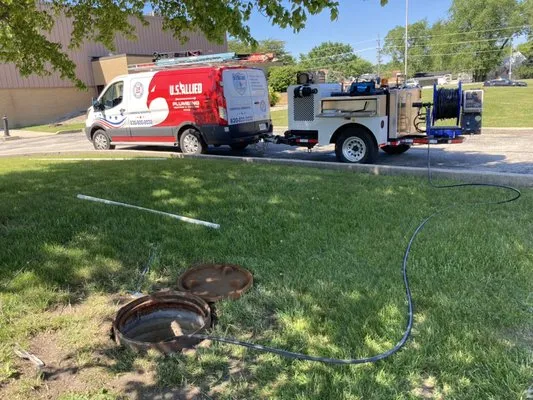
U.S. Allied Plumbing & HVAC is a locally owned and operated, licensed, and certified contractor proudly serving North Aurora and the surrounding area for over 40 years. We are a full-service provider,...
KRK Plumbing Heating & Air Conditioning
KRK Plumbing Heating & Air Conditioning has been the trusted local plumbing and HVAC expert in Bonfield, IL, and surrounding Will and Iroquois counties since 1994. As a licensed and insured family-own...
Bradbury Plumbing, Heating, Air, & Electrical
Bradbury Plumbing, Heating, Air, & Electrical is a trusted family-owned company that has been reliably serving Bonfield, IL, and the surrounding Kankakee, Will, and Iroquois counties since 1989. As a ...
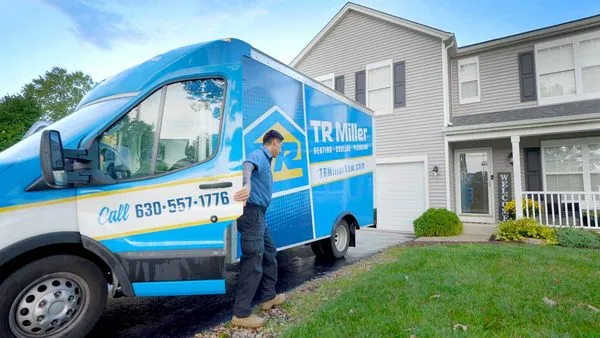
TR Miller Heating, Cooling, Plumbing and Electrical
TR Miller Heating, Cooling, Plumbing and Electrical is a family-owned and operated company serving Bolingbrook and the Greater Chicago Area since 2008. Backed by three generations of hands-on experien...
Estimated Plumbing Costs in Reed, IL
Frequently Asked Questions
Does hard well water damage my water heater?
Yes, significantly. The mineral scale from hard water acts as an insulator inside the tank, forcing the heating element to work harder and shortening its life. More critically, scale buildup settles in the bottom, creating a hot spot that can corrode the tank lining. We recommend annual anode rod inspections and more frequent flushing for homes on private wells.
Could the flat land near the Reed Historical Depot cause drainage issues?
Plain terrain often lacks the natural slope for positive drainage away from a home's foundation. Over time, this constant, slow saturation can put hydrostatic pressure on your underground main sewer line, leading to joint separation or infiltration. Ensuring your yard grading directs water away from the house is a critical first defense.
Why are so many homes in Reed Center suddenly having plumbing problems?
The copper plumbing in Reed was installed around 1975, which makes it over 50 years old as of 2026. That's a typical lifespan for copper in our hard water conditions. Homeowners are now seeing the cumulative effects of decades of mineral abrasion and water chemistry, which manifest as pinhole leaks in pipes and widespread corrosion at solder joints. It's a predictable failure point for the original infrastructure in this area.
What's the most important spring plumbing task for a Reed homeowner?
Before the spring thaw hits its peak, disconnect and drain any garden hoses. A hose bib that freezes and cracks over our 18-degree winter nights can cause a major leak once water pressure returns full force in the thaw. This simple five-minute task prevents one of the most common seasonal calls we get.
How quickly can a plumber get to my home in Reed?
Heading past Reed Historical Depot on US-45 is our primary dispatch route into the community. From there, we can access most streets in the area. Our standard response window is 45 to 60 minutes, accounting for typical traffic and the rural road network. Knowing the main arteries helps us provide a reliable ETA.
My 1970s copper pipes have a greenish-blue stain and a tiny leak. What is it?
That's likely a pinhole leak caused by a process called Type I pitting corrosion, common in copper from that era. The hard, acidic water from private wells in Reed accelerates this. The stain is from oxidized copper. These leaks often start small but can rapidly worsen, especially at elbows and joints where water turbulence is highest.
As a rural homeowner with a well and septic, what should I watch for?
The health of your well pump and pressure tank is directly tied to your plumbing. A failing pressure switch or a waterlogged tank can cause rapid pressure cycling, which hammers your pipes and fixtures. For the septic system, avoid garbage disposals and watch for slow drains, which are often the first sign of a full tank or a failing drain field.
What permits are needed for a water heater replacement in Will County?
Replacing a water heater typically requires a permit from the Will County Land Use Department and must meet Illinois Department of Public Health codes, especially for pressure relief valve and expansion tank installation. As a licensed master plumber, I handle that red tape, file the paperwork, and schedule the required inspections so you don't have to navigate the process.
