Top Emergency Plumbers in Prairie Grove, IL, 60012 | Compare & Call

There are 235 plumbing companies server in Prairie Grove IL

Bassett Plumbing
Bassett Plumbing is your trusted Twin Lakes plumber, dedicated to solving the common plumbing issues faced by local homeowners. We specialize in addressing pipe joint and old pipe leaks that can disru...
Kenosha Plumbing is a locally owned and operated plumbing company serving Kenosha, WI, with over 30 years of industry experience. Led by owner Katie, who transitioned from a banking career to complete...
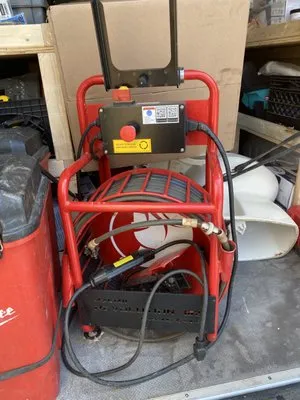
Wally Blanton Plumbing and Sewer
Wally Blanton Plumbing and Sewer is a trusted, licensed provider serving Kenosha, WI, and the wider Chicago-Land area. We offer comprehensive plumbing and sewer solutions for both homes and businesses...
Drain Brothers is a veteran-owned and operated family plumbing company serving Salem, WI. Founded in April 2015 by a team with roots in the trade dating back to 1998, the business started with door-to...

Kenosha County Construction has been serving Salem Lakes, WI, and surrounding communities for over 15 years, specializing in comprehensive residential and commercial site construction. We handle every...
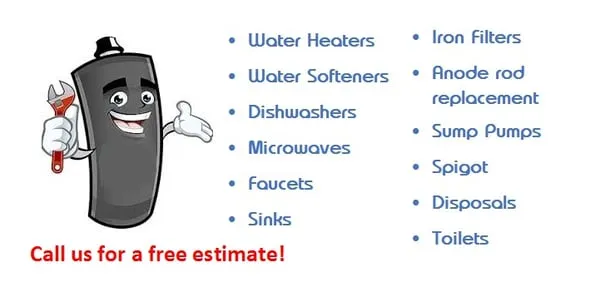
All Star Plumbing Services is your trusted, local plumbing expert in Twin Lakes, WI. We specialize in thorough plumbing inspections to identify and prevent common regional issues before they cause maj...
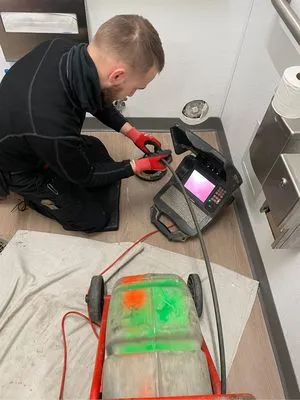
Rescue Plumbing
Rescue Plumbing has been a trusted, local plumbing service in Chicago since 2018. Founded by lifelong Chicagoland resident Benjamin Vance, our mission is rooted in integrity and building lasting relat...
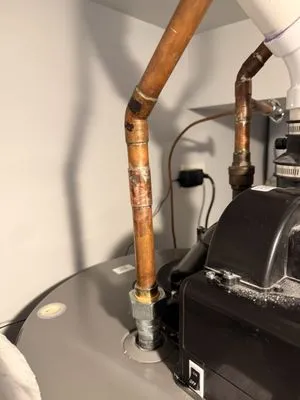
Mr. Rooter Plumbing - Morton Grove
Mr. Rooter Plumbing - Morton Grove is your local, trusted plumbing service in Morton Grove, IL. Founded in 1970 with a commitment to quality work and honest pricing, we bring decades of expertise to e...
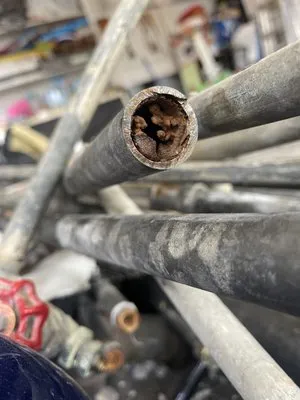
Zuniga's Plumbing is a trusted, full-service plumbing and heating company serving Chicago and its surrounding suburbs. With a deep-rooted history spanning over 50 years in the industry and a dedicated...
DiFoggio Plumbing has been serving Chicago's plumbing needs for over a century, building a reputation for reliable service across residential, commercial, and industrial projects. As a union-affiliate...
Estimated Plumbing Costs in Prairie Grove, IL
Q&A
My Prairie Grove Estates home was built around 2000. Should I be worried about my plumbing?
Homes built then are now 26 years old, which is the typical service life for the copper pipe installed at that time. You're likely seeing the first signs of systemic wear: persistent pinhole leaks, especially at solder joints, and a noticeable drop in water pressure from mineral buildup inside the pipes. This isn't an emergency, but it's the point where proactive inspection and targeted repairs become more cost-effective than waiting for multiple failures.
Could the flat land here cause plumbing drainage issues?
The plain terrain around Prairie Grove Park means there's very little natural slope for gravity to assist your home's main sewer line. Over decades, this can lead to slow drainage and sediment buildup in the pipe, as waste doesn't get the scouring action it would on a steeper grade. It puts more stress on the line, making regular video inspections a wise investment to catch a potential blockage before it backs up.
Does hard water from a private well damage my appliances?
Yes, significantly. The scale from hard water acts as an insulator. In your water heater, it builds up on the heating elements or gas burner chamber, forcing the unit to work harder, use more energy, and fail years early. You'll also see reduced flow and premature seal failure in faucets and shower valves due to mineral accumulation.
How quickly can a plumber get to my house in Prairie Grove?
From our dispatch, we head past Prairie Grove Park on US Route 14. For most calls in the village, that's a consistent 45 to 60 minute drive. We factor in traffic patterns on Route 14 to provide a reliable window, so you're not left guessing when help will arrive for a leak or a failed water heater.
What's the most important spring plumbing task for our Illinois climate?
Before the spring thaw hits its peak, disconnect all garden hoses and ensure your exterior hose bibs are fully drained and shut off from inside. A hose left connected traps water in the bib; when overnight temps still dip near 14°F, that water freezes, expands, and can crack the pipe inside your wall, leading to a major leak when it thaws.
Is my plumbing different here than in a city like Chicago?
The main difference is your private well and pressure system. Unlike municipal water, your home's pressure is controlled by a well pump and pressure tank. A failing pressure switch or a waterlogged tank can cause damaging pressure spikes or constant pump cycling, which stresses pipes and fixtures. You're managing a self-contained water system, not just the fixtures it feeds.
Who handles permits for a water heater or repipe in Prairie Grove?
The Village of Prairie Grove Building Department requires permits for major work like water heaters and repipes, which must also meet Illinois Department of Public Health codes for well water systems. I pull the permits, schedule the inspections, and ensure the work passes code. This handles the red tape so you don't have to navigate it yourself.
Why do I keep getting pinhole leaks in my copper pipes?
Copper pipe from the year 2000 era is now susceptible to pitting corrosion, which manifests as pinhole leaks. This is often accelerated in our area by the electrochemical reaction between the copper and the mineral content from private well water. The leaks frequently start at joints or where the pipe touches other metals without a proper dielectric union, leading to concentrated corrosion.
