Top Emergency Plumbers in Otto, IL, 60901 | Compare & Call

There are 239 plumbing companies server in Otto IL
Mike The Plumber is a licensed Evanston plumbing service built on a foundation of integrity, fairness, and honest communication. We believe true professionalism comes from deep, accurate knowledge of ...
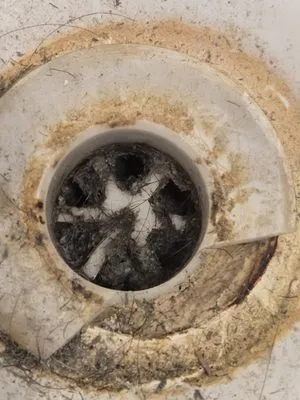
Since 1975, Drain-EEZ Plumbing has been a family-owned, trusted resource for Chicago homeowners and businesses. With over 40 years in the trade, our focus is on providing reliable residential repairs ...
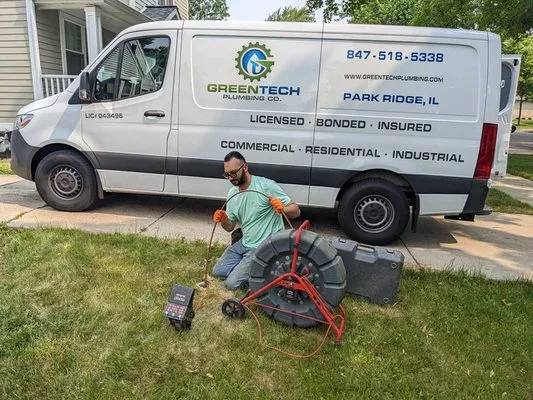
Green Tech Plumbing
Green Tech Plumbing is a family-run, Des Plaines-based company rooted in a deep respect for the plumbing craft. Manager Kevin K., born and raised in nearby Park Ridge, learned the trade from master pl...
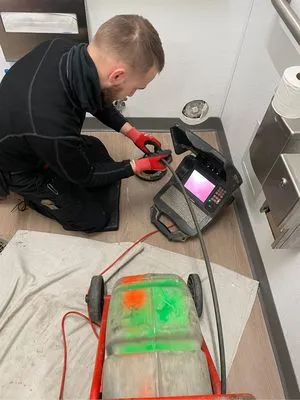
Rescue Plumbing
Rescue Plumbing has been a trusted, local plumbing service in Chicago since 2018. Founded by lifelong Chicagoland resident Benjamin Vance, our mission is rooted in integrity and building lasting relat...
Sound Plumbing is a licensed plumbing service in Chicago, IL, with over 20 years of specialized experience. Founded by Kevin, who brings over 30 years of trade expertise, the company focuses on provid...
Scotty's Plumbing is a trusted local plumbing service in Chicago, IL, dedicated to helping homeowners tackle common plumbing emergencies and maintenance needs. We specialize in a comprehensive range o...
J Sewer & Drain Plumbing
Founded in 2017 by a seasoned plumber, J Sewer & Drain Plumbing is a family-owned Chicago company built on a simple promise: to provide a better service for clients and a better experience for employe...
Mr. Rooter Plumbing - Morton Grove
Mr. Rooter Plumbing - Morton Grove is your local, trusted plumbing service in Morton Grove, IL. Founded in 1970 with a commitment to quality work and honest pricing, we bring decades of expertise to e...
Vanguard Plumbing and Sewer
Vanguard Plumbing and Sewer is a fully licensed, bonded, and insured plumbing company serving Chicago and its northern suburbs. We provide comprehensive residential and multi-unit plumbing services, f...
Leo The Plumber is a trusted, licensed plumbing service operating throughout Chicago, IL. Founded on the principle of honest, reliable work, we specialize in residential plumbing repairs, maintenance,...
Estimated Plumbing Costs in Otto, IL
Q&A
Do I need a permit to replace my water heater?
Yes, Kankakee County requires a permit for water heater replacement, and the work must meet Illinois Department of Public Health code. As a licensed master plumber, I pull that permit, schedule the county inspection, and handle all the red tape. This ensures the installation is legal, safe, and documented for your home's records, which is crucial for insurance and resale.
How fast can a plumber get to my house in Otto?
From my shop, the dispatch route heads past Kankakee River State Park and onto I-57 northbound. That puts me at your door in about 45 to 60 minutes for most calls in the Otto area. I keep a truck stocked for the common issues here, so I'm typically ready to start work as soon as I arrive.
Could the flat land around here cause plumbing problems?
The plain terrain near the Kankakee River means minimal natural slope for drainage. If your home's main sewer line doesn't have adequate pitch, it can lead to slow drains and recurring clogs. Settling over time can create a belly or low spot in the line that collects waste and causes blockages. This is a frequent issue we diagnose with camera inspections for homes in the area.
Why do my copper pipes keep springing tiny leaks?
Copper installed in the early 1970s is prone to pinhole leaks from internal corrosion. Over five decades, our area's hard water and slight acidity from private wells can wear through the pipe wall. The leaks often appear first on horizontal runs or at fittings. This isn't a flaw in your maintenance; it's the expected failure mode for pipe of this age and material.
Does having a well mean my appliances will fail sooner?
Private wells here draw hard water, which carries dissolved minerals. Without treatment, that mineral content forms scale buildup. Inside a water heater, this scale acts as an insulator, forcing the unit to work harder and overheat, which can lead to premature tank failure. You'll also see reduced flow and premature washer failure in faucets due to the same buildup.
What's the most important thing to do before a deep freeze?
Before temperatures hit that 16-degree low, disconnect and drain any garden hoses. The pro-tip for our temperate climate is to also shut off the interior valve to each exterior hose bib and open the outdoor faucet to drain the line. This prevents a freeze burst in the pipe stub inside your wall, which is a common and costly spring thaw discovery.
Our house is original to the neighborhood. Should I be worried about my pipes?
Homes built around 1974 in Otto Center are now over 50 years old. For copper plumbing, this is a critical service life. You may start seeing persistent pinhole leaks, especially at joints where the solder has thinned. The constant repair cycles on these old lines often make full repiping a more practical long-term solution than chasing individual leaks.
As a rural homeowner, what unique systems should I maintain?
Rural properties here rely on a septic system and a private well. These are your responsibility. Scheduling regular septic pumping every 3-5 years is non-negotiable to avoid backups and system failure. For the well, an annual water test and checking the pressure tank's air charge are key to ensuring clean water and protecting your pump from short-cycling.
