Top Emergency Plumbers in Normal, IL, 61701 | Compare & Call

There are 94 plumbing companies server in Normal IL
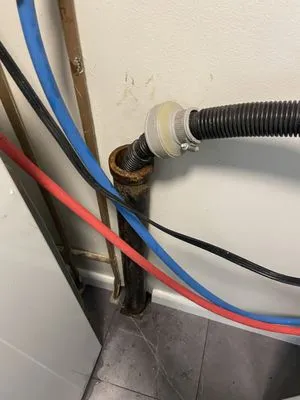
Elite Drain Cleaning began in 2012 as a part-time endeavor born from a founder's passion for tackling complex plumbing challenges. That hands-on dedication evolved into a full-time, year-round service...
For over 30 years, Handyman Plus has been the trusted local solution for homeowners and landlords in Champaign, IL. We manage, maintain, and construct projects of all sizes without the high overhead c...
May's Plumbing & Contracting
May's Plumbing & Contracting is your trusted local partner for plumbing and contracting needs in Bellflower, IL. Since 1998, we've built our reputation on reliable service for both residential and com...
Express Home Repair Handymen Service
Since 2002, Express Home Repair Handyman Service has been the locally owned and operated choice for homeowners and property managers in Champaign, IL. Founded and operated by Richard, we are a full-se...
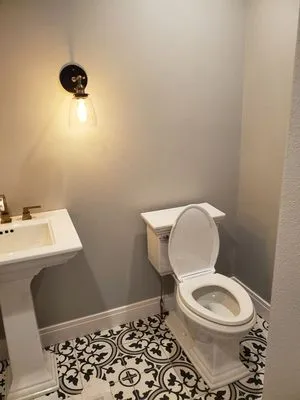
R Maquet Plumbing is your trusted local plumbing expert serving Pekin, IL and surrounding areas. With years of experience, we provide comprehensive plumbing solutions including drain installation and ...
Tiger Plumbing, Heating, Air Conditioning, & Electrical Services
Tiger Plumbing, Heating, Air Conditioning, & Electrical Services is a trusted local provider in Peoria, IL, dedicated to addressing the full range of home system needs. From fixing a leaky faucet and ...

Chris Payne Construction is a Peoria-based tradesman offering comprehensive home improvement services, from small repairs to large-scale remodels. With expertise in appliance installation, handyman as...

At Smittys Do It All in Pekin, IL, we believe in being the reliable, go-to help for our neighbors. With over 20 years of hands-on experience, including 16 years as a union laborer, owner Smitty unders...
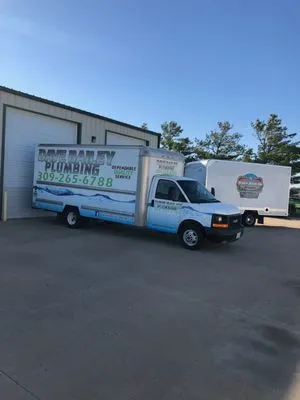
Bailey Plumbing Co. is a trusted plumbing and water-softening provider serving Morton, IL, and the surrounding communities of East Peoria, Pekin, Peoria, Metamora, Tremont, Dunlap, and Washington. Fou...
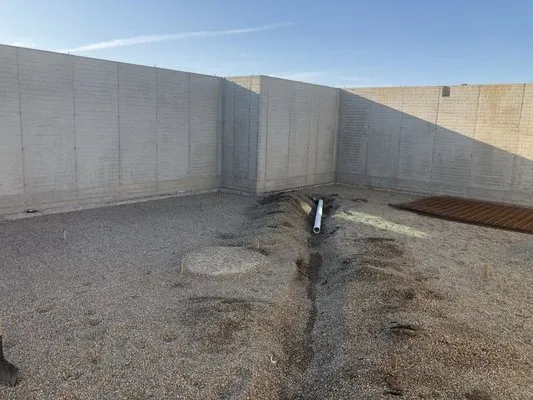
Derek Bell Plumbing
Derek Bell Plumbing is a trusted, licensed, and insured plumbing company serving Green Valley, IL, and the broader Central Illinois region for over a decade. We handle plumbing projects of all scopes,...
Estimated Plumbing Costs in Normal, IL
Question Answers
How fast can a plumber get to my home in Normal?
My dispatch route from near Illinois State University uses I-55 for quick access across town. Heading past campus onto the interstate means I can typically be at your door within 20 to 30 minutes for an urgent call, barring major traffic delays.
Who handles permits for a plumbing repair in Normal?
The Town of Normal Inspections Department requires permits for most substantive work. As a licensed master plumber, I carry the necessary Illinois Department of Public Health credentials. I handle pulling the permits and scheduling inspections, which manages the red tape and ensures the work meets all current code requirements.
What should I do to prepare my pipes for an Illinois winter?
While our lows around 17°F are less severe than further north, the spring thaw is the real concern. A pro-tip for this temperate climate is to ensure your exterior hose bibs are frost-free and that you know the location of your main water shut-off valve. Insulating pipes in unheated crawl spaces is more critical here than worrying about deep ground freeze.
As a Normal homeowner, what are my main sewer line risks?
In this suburban setting, the primary risk to your main sewer line is root intrusion from mature trees seeking moisture. Municipal water pressure is generally consistent, but a sudden drop can indicate a breach in the service line between the city main and your home. Regular camera inspections can identify root threats before they cause a full blockage.
Could the flat land around ISU cause plumbing problems?
The relatively plain terrain means drainage is slow. During heavy rain or rapid snowmelt, saturated soil around foundations can increase hydrostatic pressure on your main sewer lateral. This constant, subtle stress can lead to joint separation or infiltration over time, even without dramatic slope issues.
Are my Normal house pipes getting old?
The copper plumbing in houses built around 1987, common in Uptown, is now 39 years old. At this stage, the protective interior scale that formed over decades can become unstable. Homeowners often start seeing persistent pinhole leaks, especially at solder joints, which is a predictable failure point for copper of this vintage.
Does Normal's hard water damage my appliances?
Yes, the hard water from the Mahomet Aquifer causes significant mineral scale buildup. Inside your water heater, this scale acts as an insulator, forcing the unit to work harder and fail prematurely. You will also see reduced flow and premature seal failure in faucets and shower valves due to this accumulation.
Why do my copper pipes keep springing small leaks?
Copper installed in the late 1980s is prone to pitting corrosion, which leads to pinhole leaks. This is often due to a combination of the water chemistry from the Mahomet Aquifer and the natural wear on the pipe's interior lining over four decades. The leaks frequently appear in horizontal runs or at fittings where water turbulence is highest.
