Top Emergency Plumbers in Newport, IL, 60002 | Compare & Call

There are 237 plumbing companies server in Newport IL
Feiner Plumbing Company has been a cornerstone of the Racine community since its founding in 1915. As a fifth-generation family-owned business, we've built our reputation on providing reliable and pro...
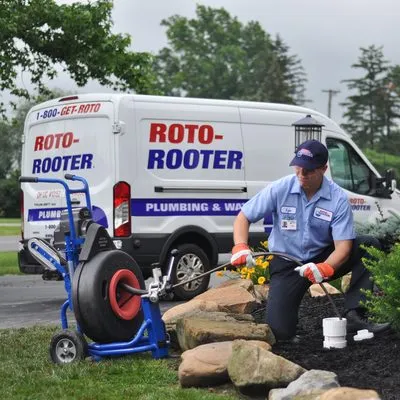
Roto-Rooter Plumbing & Water Cleanup
Roto-Rooter Plumbing & Water Cleanup is a trusted, locally-operated service in Kenosha, Wisconsin. We are fully staffed and ready to help our neighbors 24 hours a day, 7 days a week, with no extra cha...
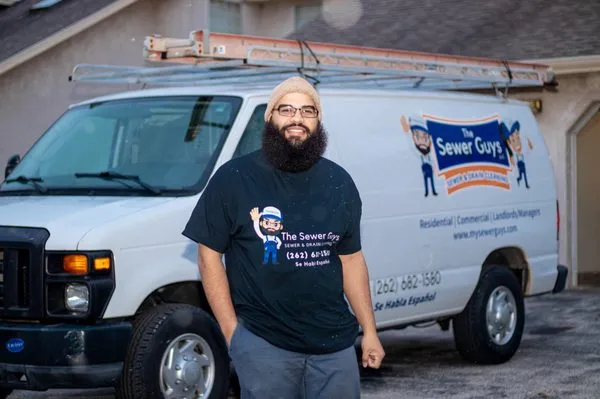
The Sewer Guys, LLC is a family-owned and operated sewer and drain cleaning company proudly serving clients in Kenosha, WI. As a local, family-run business, we understand the importance of reliable pl...
Building Waters
Building Waters is a trusted plumbing, heating, air conditioning, and refrigeration service provider serving Racine and Southeast Wisconsin for over 30 years. Our licensed professionals offer comprehe...

Riteway Heating, Cooling, & Plumbing Services
Riteway Heating, Cooling, & Plumbing Services is your trusted, family-run home comfort expert in Delavan and throughout Walworth County. Owned and operated by Jeff Papcke, a third-generation HVAC prof...
Bassett Plumbing
Bassett Plumbing is your trusted Twin Lakes plumber, dedicated to solving the common plumbing issues faced by local homeowners. We specialize in addressing pipe joint and old pipe leaks that can disru...
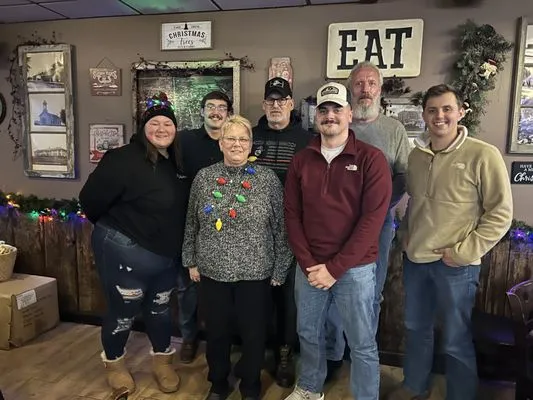
Kenosha Plumbing is a locally owned and operated plumbing company serving Kenosha, WI, with over 30 years of industry experience. Led by owner Katie, who transitioned from a banking career to complete...
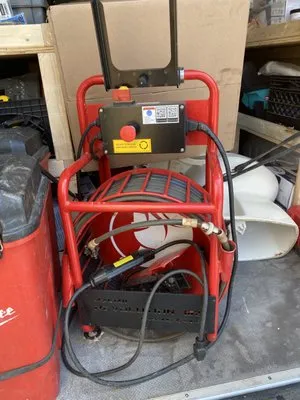
Wally Blanton Plumbing and Sewer
Wally Blanton Plumbing and Sewer is a trusted, licensed provider serving Kenosha, WI, and the wider Chicago-Land area. We offer comprehensive plumbing and sewer solutions for both homes and businesses...
Drains R Us is a trusted plumbing and drain service provider serving Racine, WI, and the surrounding Kenosha County area. We specialize in a comprehensive range of services including drain and sewer i...
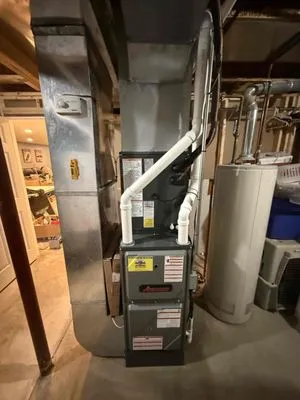
Master Services
Master Services is a veteran-owned home services company that has been serving Lake Geneva, WI, and the surrounding area since 1990. We specialize in residential plumbing, heating, and cooling solutio...
Estimated Plumbing Costs in Newport, IL
FAQs
Does hard well water damage my plumbing appliances?
Yes, the mineral content in private well water here accelerates scale buildup. Inside your water heater, this sediment acts as an insulator, forcing the unit to work harder and shortening its lifespan. On faucets and showerheads, scale restricts flow and can corrode internal seals. A whole-house water softener is the standard defense, not just for comfort but to protect the mechanical lifespan of your water heater, washing machine, and dishwasher.
What's your typical response time for a plumbing emergency out here?
From my shop, I'm heading past Newport Township Community Park on US-41 to reach most calls in the township. Given the rural road network, you can expect a service vehicle in 45 to 60 minutes for an urgent dispatch. I plan routes to minimize that window, but it's realistic to prepare for that timeframe if you have a major leak—knowing your main water shut-off valve's location is critical during that wait.
What's the best way to prepare my pipes for winter in Newport?
While our lows hit around 15°F, the bigger risk is the spring thaw. Water lines in crawl spaces or near exterior walls are vulnerable. Before winter sets in, disconnect and drain outdoor hoses, and insulate any exposed pipes in unheated areas. The pro-tip for our temperate climate is to check these insulations in late February; shifting materials or rodent damage can leave pipes exposed just as nightly freezes return, right before the thaw cycle begins.
Could the flat land here be causing my slow drains?
The plain terrain around Newport Township Community Park means drainage systems rely on precise slope. Over time, settling soil can create a low spot or a belly in your main sewer line, allowing waste and solids to collect instead of flowing freely. This is a common issue for properties where the main line runs a long distance to the septic tank. A video inspection can identify these specific grade failures, which often manifest as recurring slow drains despite snaking.
How long do copper pipes last in an older home like mine in Newport?
Copper pipes installed around 1978 are now 48 years old. In Newport Center, homeowners are frequently seeing the first signs of systemic wear, not just isolated issues. You might notice a persistent metallic taste in your water or recurring pinhole leaks in specific sections of pipe. This age represents a transition from routine maintenance to planning for selective repiping, especially on the hot water lines where corrosion accelerates.
What permits are needed to replace a water heater in Lake County?
Replacing a water heater or doing major repiping requires a permit from the Lake County Planning, Building and Development Department. As a licensed Master Plumber, I pull these permits and schedule the required inspections as part of the job. For well work or septic modifications, Illinois Department of Public Health codes also apply. My credentials cover that scope, so I handle the red tape and ensure the work meets all current codes, which protects your home's value and insurability.
Are septic system issues different from city sewer problems?
Absolutely. In a rural setting with a private septic system, a backup usually indicates a problem with the tank, drain field, or the pipe connecting them, not a municipal line blockage. Putting chemical drain cleaners down your drains can kill the essential bacteria in your septic tank. Roots from perimeter trees are also a frequent culprit for invading the feeder line. Maintenance is proactive here—regular pumping and avoiding flushing non-biodegradables are part of homeownership.
Why do my copper pipes keep springing pinhole leaks?
Pinhole leaks in 48-year-old copper are often due to a combination of pipe age and our local water chemistry. Over decades, the protective interior lining of the pipe can degrade, particularly at joints and fittings where solder and flux were used. This creates microscopic points where corrosion concentrates, eventually penetrating the wall. The leaks often follow a pattern, appearing in clusters along a horizontal run or at the first few feet off the water heater.
