Top Emergency Plumbers in Mount Sterling, IL, 62353 | Compare & Call

There are 10 plumbing companies server in Mount Sterling IL
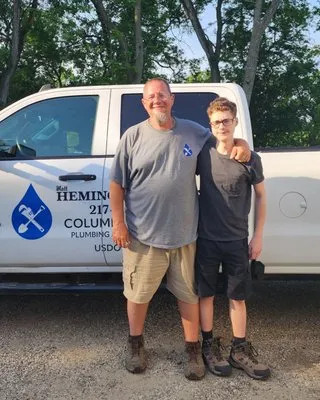
Matt Heming Plumbing brings four generations of plumbing expertise to Camp Point and the Quincy area. Owner Matt Heming started his career at age 16 working for his grandfather's plumbing business, th...
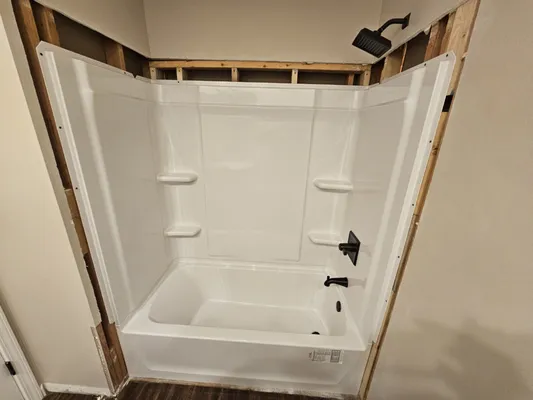
Hopper Plumbing LLC is your Quincy-based plumbing partner, founded on a commitment to our hometown. After building a successful plumbing business in Colorado, we returned home to bring over 20 years o...

Toland Inc. has been a trusted home services provider in Rushville since 1987, offering reliable HVAC, plumbing, and electrical solutions. As a licensed, bonded, and insured company, we specialize in ...
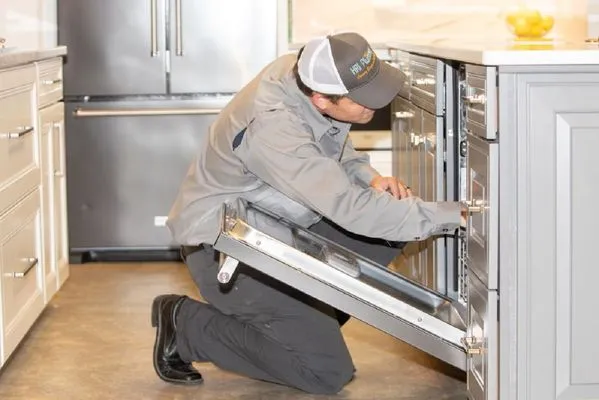
HRI Plumbing
HRI Plumbing is a trusted, licensed plumbing contractor serving Jacksonville, IL, and the surrounding areas. We provide a full spectrum of plumbing services for both homes and businesses, from routine...
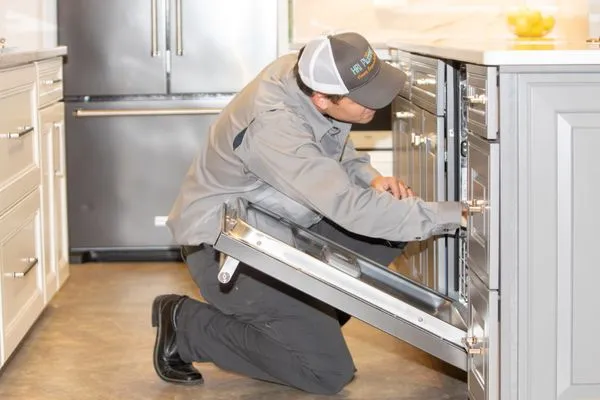
HRI Plumbing
HRI Plumbing is a trusted, licensed contractor serving Rushville and the surrounding communities, including Jacksonville, Springfield, and Taylorville. Founded to meet the plumbing needs of our existi...
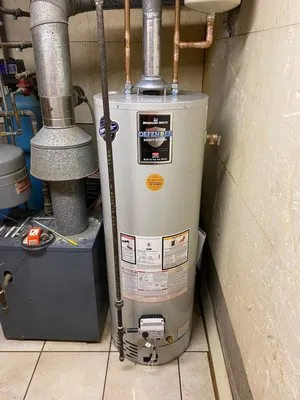
Beardstown E & M Corp
Beardstown E & M Corp has been a reliable fixture in central Illinois since 1978, providing expert electrical, plumbing, HVAC, and mechanical contracting services from its base in Beardstown. Serving ...
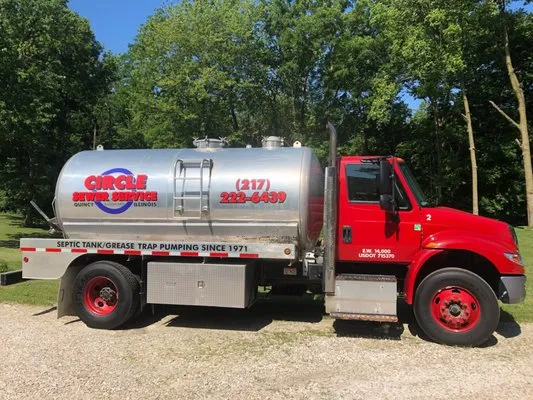
Circle Sewer Service has been a trusted name in Quincy, IL, and the surrounding communities since 1971. For over 40 years, our family-owned and operated team has provided reliable, expert solutions fo...
Corrigan Plumbing is your trusted local plumbing expert serving Ursa and the surrounding communities. As a family-owned and operated business, we understand the common plumbing frustrations faced by h...
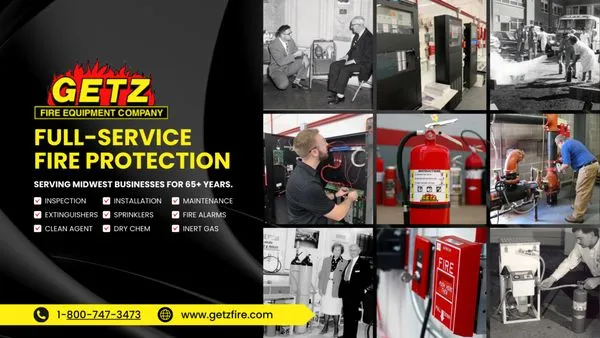
Getz Fire Equipment Company
Getz Fire Equipment Company, a trusted family-owned business in Quincy, has been the Midwest's partner in fire safety and specialized plumbing for over 65 years. Since 1957, our certified technicians ...
Burnett's Plumbing is your trusted local plumbing expert serving Mt Sterling, IL, and the surrounding communities. We specialize in comprehensive plumbing inspections to identify and prevent common lo...
Estimated Plumbing Costs in Mount Sterling, IL
Question Answers
Does Mount Sterling's hard water damage water heaters?
Yes, the mineral content from the Mount Sterling Public Water Supply accelerates wear. Hard water causes scale to form inside your water heater tank and on its heating elements. This insulating layer forces the unit to work harder, increasing energy bills and shortening its lifespan. For tankless models, scale can clog the internal heat exchanger, leading to error codes and shutdowns. Installing a whole-house water softener is the most effective defense for protecting all your appliances and fixtures.
My Mount Sterling house was built in the late 1960s. Should I be worried about the plumbing?
Built around 1967, your galvanized steel pipes are now about 59 years old. This is the typical lifespan for this material. Homeowners in Central Mount Sterling are currently seeing widespread pipe failure. The interior walls of the pipes corrode and accumulate mineral scale, which severely restricts water flow to fixtures. You might notice low pressure at multiple faucets or a persistent metallic taste in the water, signaling it's time for a professional assessment before a major leak develops.
What's the most important spring plumbing tip for Mount Sterling?
Before the spring thaw peaks, disconnect your garden hoses and ensure exterior faucets are fully drained. Trapped water inside a hose bib can freeze and crack the pipe behind your wall. With our lows around 18°F, a single overnight freeze during a late cold snap can cause a costly leak. It's a simple, five-minute task that prevents one of the most common seasonal emergencies I see around here.
Is well or septic system maintenance different for rural Brown County homes?
Rural properties require a specific maintenance mindset. For septic systems, pumping every 3-5 years is non-negotiable to prevent drain field failure. With private wells, annual water quality testing is advised, as mineral content can shift. I always check for a functioning pressure tank and a proper dielectric union where the well pipe meets the home's copper to prevent galvanic corrosion. These systems are your private utility, and proactive care is cheaper than an emergency replacement.
What permits do I need for a water heater replacement in Mount Sterling?
Most plumbing work, including water heater replacements, requires a permit from the Brown County Building and Zoning Department. As a licensed master plumber, I pull all necessary permits and schedule the required inspections. My credentials are filed with the Illinois Department of Public Health. I handle the red tape and ensure the installation meets all current Illinois Plumbing Code standards, so you don't have to navigate the bureaucracy yourself.
How fast can a plumber get to my home in Mount Sterling?
From my shop, a common dispatch route heads past the Brown County Courthouse onto US Route 24. This main artery allows a straight shot into most of Mount Sterling. Barring roadwork or weather, my typical response window from receiving your call to being on-site is 45 to 60 minutes. I plan routes to avoid school zones during peak times to keep that estimate reliable.
Why do I keep getting pinhole leaks in my old pipes?
Galvanized steel pipes from the 1960s fail from the inside out. Decades of hard water scale buildup and corrosion create weak spots in the pipe wall. These thin areas eventually give way under normal water pressure, causing pinhole leaks. The problem often starts at threaded joints or fittings where the protective zinc coating wore off first. Replacing a single leak rarely solves the systemic issue; the entire pipe run is likely compromised.
Could the flat land around Brown County affect my sewer line?
The relatively plain terrain in Mount Sterling can complicate drainage. Without a significant natural slope, waste relies more on the precise gravity fall of your sewer pipe. Settling soil over decades can create a low spot or belly in the line where debris collects and causes blockages. It also means any tree roots seeking moisture have an easier time infiltrating joints. A video inspection can identify these subtle grade issues before they cause a backup.
