Top Emergency Plumbers in Moraine, IL, 60015 | Compare & Call

There are 238 plumbing companies server in Moraine IL
Kenosha Plumbing is a locally owned and operated plumbing company serving Kenosha, WI, with over 30 years of industry experience. Led by owner Katie, who transitioned from a banking career to complete...
Mike The Plumber is a licensed Evanston plumbing service built on a foundation of integrity, fairness, and honest communication. We believe true professionalism comes from deep, accurate knowledge of ...
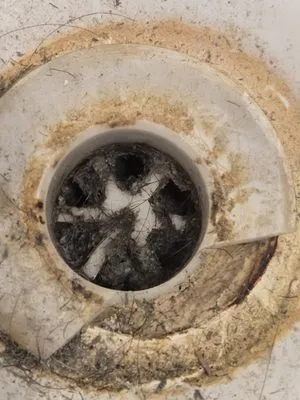
Since 1975, Drain-EEZ Plumbing has been a family-owned, trusted resource for Chicago homeowners and businesses. With over 40 years in the trade, our focus is on providing reliable residential repairs ...
Green Tech Plumbing
Green Tech Plumbing is a family-run, Des Plaines-based company rooted in a deep respect for the plumbing craft. Manager Kevin K., born and raised in nearby Park Ridge, learned the trade from master pl...
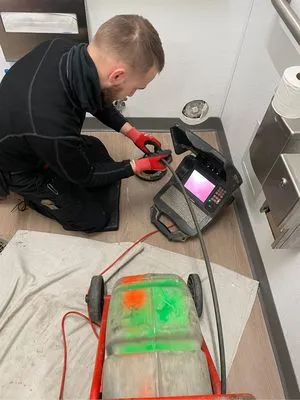
Rescue Plumbing
Rescue Plumbing has been a trusted, local plumbing service in Chicago since 2018. Founded by lifelong Chicagoland resident Benjamin Vance, our mission is rooted in integrity and building lasting relat...
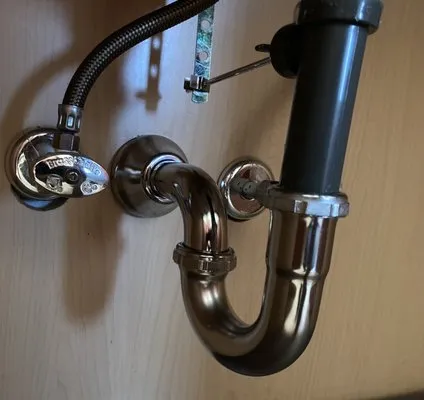
Scotty's Plumbing is a trusted local plumbing service in Chicago, IL, dedicated to helping homeowners tackle common plumbing emergencies and maintenance needs. We specialize in a comprehensive range o...
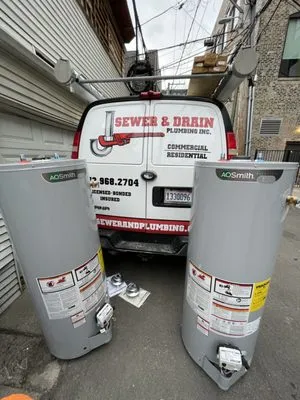
J Sewer & Drain Plumbing
Founded in 2017 by a seasoned plumber, J Sewer & Drain Plumbing is a family-owned Chicago company built on a simple promise: to provide a better service for clients and a better experience for employe...
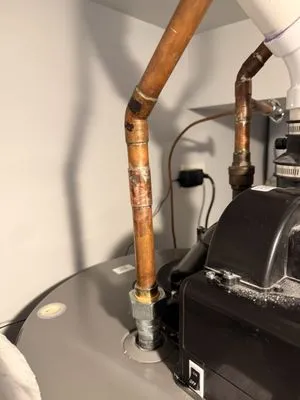
Mr. Rooter Plumbing - Morton Grove
Mr. Rooter Plumbing - Morton Grove is your local, trusted plumbing service in Morton Grove, IL. Founded in 1970 with a commitment to quality work and honest pricing, we bring decades of expertise to e...
Rocket Plumbing Chicago
Rocket Plumbing Chicago is a trusted local plumbing company serving Chicago and its suburbs since 2003. Founded by Brian, a Wicker Park resident with over 16 years of plumbing experience, the company ...
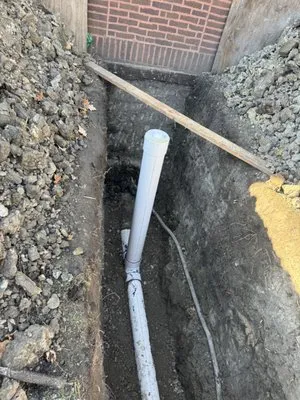
Midwest Hydro Jetting And Sewer Service is a Chicago Ridge plumbing company built on a foundation of local craftsmanship and customer-first service. Owner-operated from the start, our team is selected...
Estimated Plumbing Costs in Moraine, IL
Frequently Asked Questions
Can the flat land around Moraine affect my home's drainage?
The relatively plain terrain means water doesn't run off quickly, so soil saturation is common after heavy rains or rapid snowmelt. Saturated ground puts hydrostatic pressure on your home's foundation and can stress the main sewer line running from your house to the street. If you live near the lower areas by Moraine Hills State Park, this is more pronounced. We often find that older, clay sewer laterals crack or separate under this constant pressure, leading to slow drains or backups.
Do I need a permit to replace my water heater in Moraine?
Yes, the Moraine Building and Zoning Department requires a permit for water heater replacement to ensure the new installation meets current safety and energy codes. I handle pulling that permit and arranging the required inspection as part of the job. My license is registered with the Illinois Department of Public Health, so all paperwork is filed correctly. This process ensures your installation is documented and protects your home's value, and it's one less thing for you to manage.
What's the most common plumbing repair for a 1960s Moraine home?
The most frequent call is for pinhole leaks in copper pipes, especially on hot water lines. After 57 years, the constant expansion and contraction from heating cycles, combined with our hard water, wears the pipe walls thin. The leak often starts as a small drip inside a wall or under a slab, but it can quickly saturate drywall or undermine a foundation. We usually have to cut out the failed section and replace it with new copper or PEX, checking adjacent pipe for similar wear.
Does Lake Michigan water cause problems for my water heater?
Yes, the mineral content from Lake Michigan, while safe to drink, is notoriously hard. That hardness causes scale to build up inside your water heater tank and on heating elements over time. The scale acts as an insulator, forcing the heater to work harder and burn more gas or electricity. It also traps heat against the tank walls, accelerating corrosion. Flushing the tank annually and installing a whole-house softener are the best defenses to extend its life beyond a few years.
What should I do to prepare my Moraine home's plumbing for spring?
The spring thaw here can shift the ground and put new stress on older pipes. Before the ground fully softens, walk your property and look for any new damp spots or areas where snow is melting faster than elsewhere—it can indicate a leak in the main line. A pro-tip is to know where your main water shut-off valve is and ensure it operates easily. If you have an older home with pipes in exterior walls, keeping those walls insulated helps prevent last-minute freezes during our 15-degree nights that can linger into early spring.
How fast can a plumber get to my house in Moraine during an emergency?
My typical dispatch route has me heading past Moraine Hills State Park onto I-90, which puts me in most parts of Moraine within 25 to 35 minutes. I keep a van stocked for common copper and water heater failures specific to this area. That route avoids the main congestion points, so my response time is consistent whether you're near the park or deeper in the residential district.
As a suburban Moraine homeowner, what plumbing issues should I watch for?
The main concerns here are the municipal water pressure combined with aging copper and tree roots in the lateral line. Pressure is generally good, but it can exacerbate small leaks in old pipes. Tree roots seek out the moisture in sewer lines, and they can infiltrate the joint between your home's lateral and the main city line. If you have mature trees, a slow-draining basement floor drain or gurgling toilets often points to root intrusion needing a professional jetting or camera inspection.
Why are so many houses in Moraine suddenly having plumbing issues?
Most homes in the Moraine Residential District were built around 1969 with copper plumbing. That puts the pipes at about 57 years old now, which is near the end of their expected service life. We're seeing widespread failure of original copper lines, especially in the slab foundations common here. Homeowners are getting hit with pinhole leaks and corroded joints that were stable for decades but are now failing all at once.
