Top Emergency Plumbers in Marrowbone, IL, 61914 | Compare & Call

There are 28 plumbing companies server in Marrowbone IL
Patriot Plumbing is a trusted, locally-owned plumbing service in Monticello, IL, dedicated to keeping local homes safe and functional. We understand the common challenges Monticello homeowners face, s...

All Pro Heating AC Plumbing
All Pro Heating AC Plumbing, LLC, is a licensed and bonded, veteran & family-owned plumbing and HVAC contractor proudly serving Tuscola, IL, and surrounding communities including Hammond, Champaign, T...

For over a decade, Booker Brothers Plumbing Heating & Electrical has been the trusted local provider for Sullivan, IL, homeowners. We understand the specific plumbing challenges our neighbors face, fr...

L D Mechanical Contractors
L D Mechanical Contractors is a family-owned plumbing and HVAC business serving Charleston, IL, and Central Illinois since 1982. Founded by Les Dallas, the company has built a reputation for reliable ...
Harrelson Plumbing & Heating
Harrelson Plumbing & Heating is a trusted, family-owned business serving Mattoon, Charleston, and the surrounding communities for over three decades. Founded on the principle of reliable, expert servi...
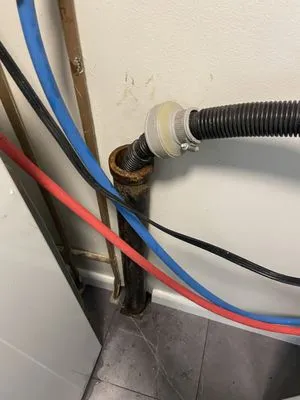
Elite Drain Cleaning began in 2012 as a part-time endeavor born from a founder's passion for tackling complex plumbing challenges. That hands-on dedication evolved into a full-time, year-round service...
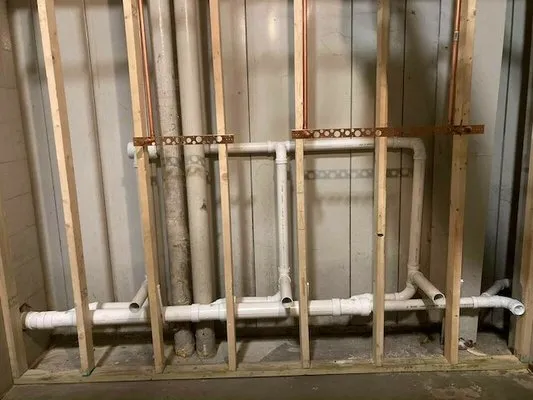
C R Neff Plumbing, Heating & A/C
Since 1927, C R Neff Plumbing, Heating & A/C has been a trusted family name in Mattoon, IL, with four generations of Neffs dedicated to serving our community. As a licensed, bonded, and insured contra...

Edwards Plumbing & Septic is a trusted, local plumbing and septic service provider proudly serving Vandalia, IL, and the surrounding communities. We are a family-owned and operated business dedicated ...
C-U HVAC, Plumbing & Electric
C-U HVAC, Plumbing & Electric is a trusted provider of comprehensive home services in Champaign, Illinois, and the surrounding Central Illinois region. Founded by Ryan, who brings over 20 years of con...

At Smittys Do It All in Pekin, IL, we believe in being the reliable, go-to help for our neighbors. With over 20 years of hands-on experience, including 16 years as a union laborer, owner Smitty unders...
Estimated Plumbing Costs in Marrowbone, IL
Question Answers
How does the flat land around Lake Shelbyville affect my main sewer line?
Plain terrain with minimal slope challenges drainage systems in the Lake Shelbyville area. Wastewater moves more slowly through horizontal pipes, allowing solids to settle and accumulate. Main lines under driveways or yards face constant soil pressure that can cause joint separation over time. Proper grading during installation prevents backup issues in this topography.
Who handles permits for plumbing work in Moultrie County?
I coordinate with the Moultrie County Building and Zoning Department for all required permits. My Illinois Department of Public Health credentials ensure work meets state standards. This includes septic system installations, well modifications, and major repiping projects. Handling the red tape saves homeowners time and ensures compliance with local regulations.
What should I do before spring thaw to prevent plumbing problems?
Insulate exposed pipes before temperatures drop to 18°F, focusing on crawl spaces and exterior walls. Drain outdoor spigots completely and shut off their supply valves. Keep cabinet doors open to allow warm air circulation around pipes during cold snaps. These precautions help prevent freeze damage during our temperate climate's temperature swings.
Do rural Marrowbone homes need special plumbing considerations?
Rural properties typically have well and septic systems requiring different maintenance than municipal services. Well pumps need regular pressure checks and sediment filter changes. Septic tanks require pumping every 3-5 years depending on household size. These systems operate independently, so understanding their components prevents costly emergencies in Marrowbone Township.
How quickly can a plumber reach my home near Lake Shelbyville?
Heading past Lake Shelbyville on Illinois Route 128, most service calls take 45-60 minutes from dispatch. This route covers the rural stretches of Marrowbone Township efficiently. We factor in local traffic patterns and weather conditions to provide accurate arrival estimates. Knowing the backroads helps minimize delays for homeowners in this area.
Does Lake Shelbyville water damage my plumbing fixtures?
Hard water from Lake Shelbyville causes scale buildup inside water heaters and fixtures. Mineral deposits reduce heating efficiency and can lead to premature tank failure. Faucet aerators and showerheads clog more frequently with this water quality. Regular descaling maintenance extends appliance lifespan in homes throughout Marrowbone Township.
Why do older homes in Marrowbone have so many pipe leaks?
Galvanized steel pipes from the late 1960s develop pinhole leaks as corrosion eats through the pipe walls. Joint calcification is another common issue where mineral deposits weaken connections. These failures often start in hidden areas like crawl spaces or behind walls. The steel's protective zinc coating wears away over decades, leaving bare iron vulnerable to rust.
How old are the pipes in my Marrowbone home and what should I watch for?
Galvanized steel pipes installed around 1968 are now 58 years old. Homeowners in Marrowbone Township often see reduced water pressure and rust-colored water as internal corrosion builds up. This scale accumulation narrows pipe diameter over decades, restricting flow to fixtures. At this age, complete pipe failure becomes more likely, especially at threaded joints where corrosion concentrates.
