Top Emergency Plumbers in Looking Glass, IL, 62215 | Compare & Call

There are 53 plumbing companies server in Looking Glass IL

The Quick Fix Hero is your trusted, local handyman service in St. Peters, MO, founded on the belief that everyone deserves reliable help for everyday home repairs. We bridge the gap between DIY attemp...

Right Now Plumbing is a 4th-generation, family-owned business that has been a trusted fixture in the St. Louis community since 1992. With over 25 years of hands-on experience, our team of licensed pro...
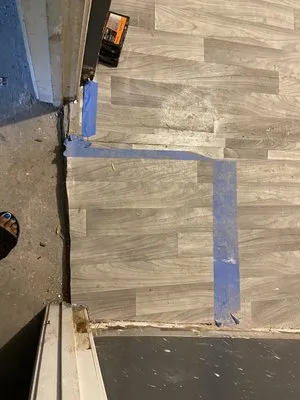
ALLN1 Plumbing & Construction
ALLN1 Plumbing & Construction is a family-owned business serving Saint Louis homeowners with comprehensive plumbing and remodeling solutions. We provide a wide range of services including bathroom rem...
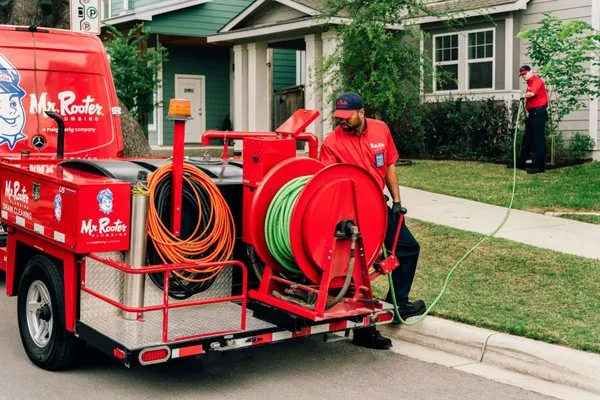
Mr. Rooter Plumbing of St. Louis, based in Fenton, MO, is owned by Tyler Watson, who brings years of contracting experience to serving local customers. Partnering with the established Mr. Rooter brand...
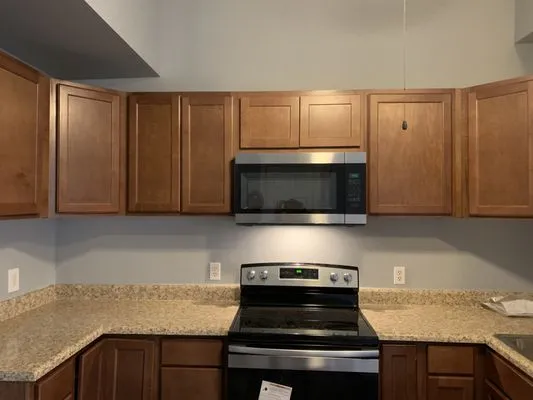
Perfect Solution Management
Perfect Solution Management, LLC is a Saint Louis-based construction company founded in 2014 by Martez Cobbs, a third-generation contractor. Built on a family legacy spanning over 48 years in the trad...
Edwards Plumbing & Septic is a trusted, local plumbing and septic service provider proudly serving Vandalia, IL, and the surrounding communities. We are a family-owned and operated business dedicated ...

Crafton Plumbing
Crafton Plumbing has been providing reliable plumbing services to Collinsville and surrounding Madison and St. Clair Counties since 1996. We specialize in both residential service and repair for exist...
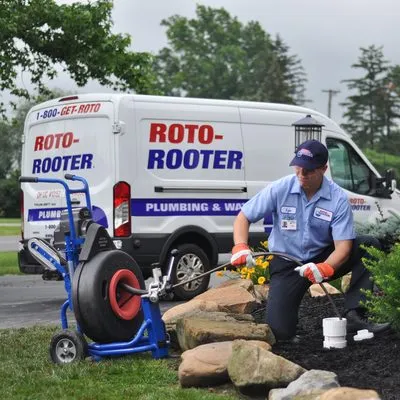
Roto-Rooter Plumbing & Water Cleanup
Roto-Rooter Plumbing & Water Cleanup is your local, 24/7 plumbing and restoration resource in Belleville, IL. Our team of dependable, friendly, and fast plumbers is fully staffed and ready to help, da...
Tiger Plumbing, Heating, Air Conditioning, & Electrical Services
Tiger Plumbing, Heating, Air Conditioning, & Electrical Services is a trusted, locally-owned company serving Collinsville and the surrounding Metro East communities. We are your comprehensive home ser...
Neal's Plumbing has been a trusted, family-owned plumbing service in Troy, IL, and the surrounding Metro East area since 1991. We are fully licensed and insured, offering reliable 24-hour emergency se...
Estimated Plumbing Costs in Looking Glass, IL
Question Answers
How long does it take for a plumber to get to my home in Looking Glass?
My typical dispatch route has me heading past Looking Glass Prairie on IL-177, a 45 to 60 minute drive depending on your exact location. This transit time is factored into my scheduling to ensure I give you a realistic arrival window. I communicate clearly if road conditions or a prior call in the area might affect that timing.
As a rural homeowner near Looking Glass, what unique plumbing systems should I maintain?
Your well pump and pressure tank, along with your septic system or mound, require scheduled maintenance. Well components wear out, and a failing pressure switch can burn up a pump. For septic, avoiding garbage disposals and having the tank pumped every 3-5 years is critical to prevent a costly backup into the home, which is a much larger issue than a clogged city sewer.
Who handles permits for a plumbing repair or replacement in Clinton County?
The Clinton County Building and Zoning Department issues the permits, and work must meet Illinois Department of Public Health codes. As a licensed master plumber, I pull all required permits and schedule the necessary inspections. My credentials are filed with the county, so I handle that red tape directly; you won't need to visit any offices or worry about compliance.
Does water from the Kaskaskia River damage my water heater or fixtures?
The mineral content in the water leads to hard water scaling. Inside your water heater, scale acts as an insulator on the heating elements, forcing the unit to work harder and fail sooner. On fixtures, it clogs aerators and showerheads. Installing a water softener is the most effective long-term defense for protecting your appliances and plumbing.
Could the flat land around Looking Glass Prairie cause drainage issues for my home?
Plain terrain can complicate drainage because water has no natural slope to run off. During heavy rain or rapid spring thaw, saturated soil around your foundation puts hydrostatic pressure on basement walls and can overwhelm perimeter drains. It also means a sag or belly in your main sewer line will not drain properly, requiring jetting or excavation to correct the slope.
What's the most common plumbing repair for a 1970s home here with copper pipes?
Joint calcification and pinhole leaks are the frequent repairs. After nearly five decades, mineral scale from our hard water solidifies at solder joints, restricting flow and stressing the copper. This scale buildup, combined with natural erosion, often leads to leaks at elbows and tee fittings, requiring a section cut-out and repipe.
What should I do to prepare my plumbing for a Looking Glass winter?
Before temperatures hit that 20-degree low, disconnect and drain outdoor hoses. Insulate any exposed pipes in unheated crawlspaces or garages. The real pro-tip is to check your exterior faucet for a frost-free sillcock; if your home still has the original 1977 hardware, it likely does not, making it a prime candidate for a burst pipe during a spring thaw.
Why am I suddenly getting pinhole leaks in my copper pipes in Looking Glass Estates?
Your copper plumbing is now 49 years old, a lifespan where age-related wear is common. In Looking Glass Estates, built around 1977, copper can thin from decades of water flow. You are seeing pinhole leaks because the internal pipe wall has worn away, a predictable failure point for copper of this vintage. It is not a question of if, but when, sections will need replacement.
