Top Emergency Plumbers in Long Creek, IL, 62521 | Compare & Call

There are 33 plumbing companies server in Long Creek IL
Patriot Plumbing is a trusted, locally-owned plumbing service in Monticello, IL, dedicated to keeping local homes safe and functional. We understand the common challenges Monticello homeowners face, s...
Elite Drain Cleaning began in 2012 as a part-time endeavor born from a founder's passion for tackling complex plumbing challenges. That hands-on dedication evolved into a full-time, year-round service...

At Smittys Do It All in Pekin, IL, we believe in being the reliable, go-to help for our neighbors. With over 20 years of hands-on experience, including 16 years as a union laborer, owner Smitty unders...
For over 40 years, D L Clark Enterprises has been a trusted, family-owned name serving the plumbing, heating, and cooling needs of Taylorville and the surrounding communities. Founded and operated by ...
Klughart Mechanical & General Contractors
Klughart Mechanical & General Contractors is a trusted, full-service provider for Springfield homes and businesses. We specialize in electrical, HVAC, and plumbing services, offering everything from r...
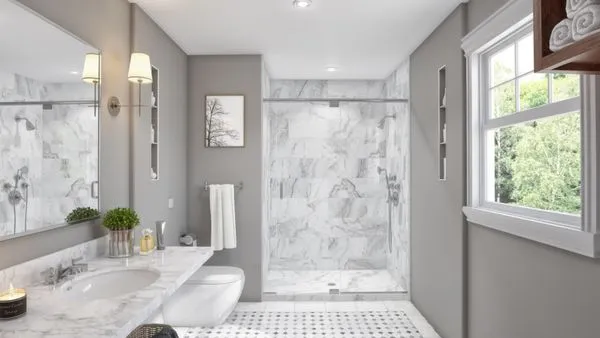
Five Star Bath Solutions
Five Star Bath Solutions is a trusted, local plumbing and remodeling service in Springfield, IL, dedicated to providing reliable solutions for your home. We specialize in a comprehensive range of serv...

Dirt Monkey Earthworx is a trusted local excavation and property solutions company serving Riverton, IL, and the surrounding areas. With over 30 years of hands-on experience and more than 35,000 hours...
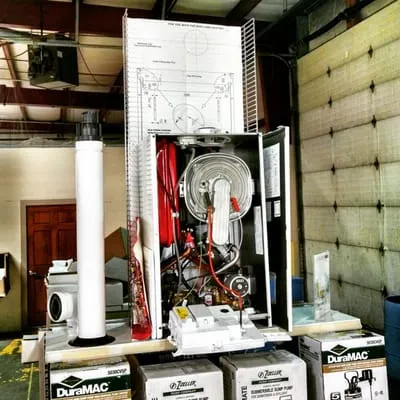
McDonald Supply in Bloomington, IL, is a trusted local resource for plumbing and HVAC supplies, backed by a legacy dating to 1858 as Illinois' oldest plumbing and heating supplier. Founded by a former...
A & R Mechanical Contractors Inc
A & R Mechanical Contractors Inc has been serving Urbana, IL, and surrounding communities since 1925, providing reliable plumbing, HVAC, and mechanical services. With deep roots in the local area, we ...
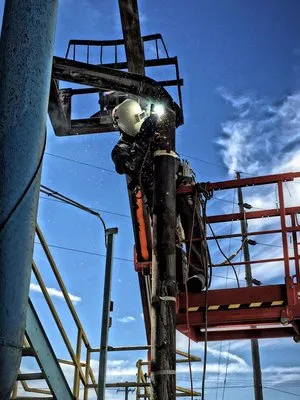
Aak Mechanical
AAK Mechanical is a family-owned and operated mechanical contracting business serving Clinton, IL, and the surrounding region since 2005. Founded by Steven and Jennifer Coppenbarger, the company is no...
Estimated Plumbing Costs in Long Creek, IL
Questions and Answers
How fast can a plumber get to my house in Long Creek?
From our shop near Nelson Park, we take US-36 straight into the community. Heading past Nelson Park on US-36 gets us moving, and from there it's a direct shot. Most calls in Long Creek proper have a technician on site within 20 to 30 minutes of dispatch.
Does Lake Decatur water damage my plumbing fixtures?
Water sourced from Lake Decatur is notoriously hard, meaning it carries a high mineral content. This leads to significant scale buildup inside pipes, water heaters, and faucet aerators. Your water heater's efficiency drops as scale insulates the heating elements, and showerheads lose pressure. An annual visual inspection of anode rods and aerators can mitigate some of the accelerated wear.
Are there special plumbing concerns for a rural area like Long Creek?
Rural settings bring a focus on private water and waste systems. Well pumps, pressure tanks, and septic fields are your responsibility, not the municipality's. We frequently service issues like failing pressure switches on wells or septic lateral field saturation, which are less common in city limits. Knowing the age and layout of your septic system is as important as knowing your pipe material.
Who handles permits for a water heater replacement in Macon County?
The Macon County Building and Zoning Department issues the required permits, and the installation must meet Illinois Department of Public Health code. As a licensed master plumber, I pull those permits and schedule the inspections as part of the job. My credential means I handle that red tape so you don't have to navigate the county offices yourself.
My pipes are from 1971. What should I expect at this age in Long Creek?
Your copper plumbing is now 55 years old. For homes in Long Creek Village, this typically means we're seeing a pattern of pinhole leaks, particularly in hot water lines. The copper has thinned from decades of water flow and mineral interaction. It's not a matter of if, but where the next leak will appear, often behind walls or under floors.
Why are my 1970s copper pipes suddenly springing pinhole leaks?
Copper installed in 1971 has endured over five decades of thermal expansion, water pressure, and chemical reaction. The primary failure mode we see is pinhole leaks caused by a combination of internal erosion and external corrosion from soil conditions. Joints from that era are also prone to calcification, which can restrict flow long before a total failure occurs.
Could the flat land around here cause plumbing issues?
The plain terrain near Nelson Park and throughout Long Creek affects drainage. With minimal natural slope, stormwater and groundwater have nowhere to go quickly. This can saturate the soil around your main sewer line, increasing hydrostatic pressure and the risk of a line collapse or infiltration, especially in older clay tile systems that may still be present.
What's the most important cold-weather plumbing tip for central Illinois?
Watch the spring thaw. While our 18-degree lows are cold, the rapid freeze-thaw cycles in March and April are when most outdoor faucets and irrigation lines fail. A pro-tip for this temperate climate is to disconnect and drain garden hoses in the fall, and ensure your exterior sillcocks have a proper interior shut-off valve to prevent a costly leak when things start to warm up.
