Top Emergency Plumbers in Locust, IL, 62555 | Compare & Call

There are 38 plumbing companies server in Locust IL

For over a decade, Booker Brothers Plumbing Heating & Electrical has been the trusted local provider for Sullivan, IL, homeowners. We understand the specific plumbing challenges our neighbors face, fr...
Elite Drain Cleaning began in 2012 as a part-time endeavor born from a founder's passion for tackling complex plumbing challenges. That hands-on dedication evolved into a full-time, year-round service...

Edwards Plumbing & Septic is a trusted, local plumbing and septic service provider proudly serving Vandalia, IL, and the surrounding communities. We are a family-owned and operated business dedicated ...
Ray's Plumbing & Sewer Service
Ray's Plumbing & Sewer Service has been a trusted name in Springfield, IL, since 1987. Founded as a partnership focusing on sewer installation and drain cleaning, the business was re-established in 19...
Tiger Plumbing, Heating, Air Conditioning, & Electrical Services
Tiger Plumbing, Heating, Air Conditioning, & Electrical Services is your trusted local provider for comprehensive home services in Springfield, IL. We specialize in plumbing, electrical, HVAC, and mor...
HRI Plumbing
HRI Plumbing is a licensed and certified plumbing contractor serving Springfield, Jacksonville, New Berlin, and Pleasant Plains, IL. Originally expanding from HVAC services, we now provide comprehensi...
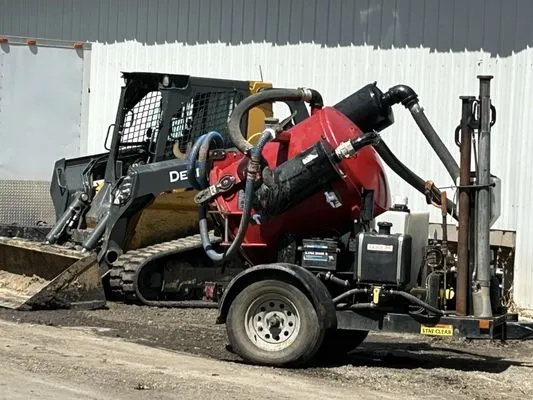
Jake Ray And Son's Sewer And Excavating
Jake Ray And Son's Sewer And Excavating is a trusted, family-owned plumbing and excavation contractor serving Springfield, IL, and the surrounding communities. With decades of combined experience, the...

At Smittys Do It All in Pekin, IL, we believe in being the reliable, go-to help for our neighbors. With over 20 years of hands-on experience, including 16 years as a union laborer, owner Smitty unders...
For over 40 years, D L Clark Enterprises has been a trusted, family-owned name serving the plumbing, heating, and cooling needs of Taylorville and the surrounding communities. Founded and operated by ...

Rick Ray and Sons Plumbing
Rick Ray and Sons Plumbing is a trusted, family-operated plumbing and excavation service proudly serving Springfield, IL, and the surrounding communities. Founded in 1974, they bring over five decades...
Estimated Plumbing Costs in Locust, IL
Frequently Asked Questions
Could the flat land around here be causing my main sewer line to keep backing up?
The plain terrain near the Macoupin County Fairgrounds can contribute to drainage issues. With minimal natural slope, waste water lacks the gravitational force to keep solids moving efficiently through the main line. This can lead to periodic buildup and require more frequent cleaning. It also means that a minor blockage or root intrusion has a greater impact, as there's no extra fall in the pipe to help push debris through.
How long does it take for a plumber to get to my house during an emergency in Locust?
My dispatch route typically involves heading past the Macoupin County Fairgrounds on State Route 111 to reach most parts of Locust. Under normal traffic and weather conditions, I plan for a 45 to 60 minute response window from the initial call. This accounts for navigating our rural roads and ensures I arrive with the correct tools and parts for the job.
Why do my copper pipes keep springing pinhole leaks?
Pinhole leaks in 1960s-era copper are often due to a combination of age and our local water chemistry. Over 57 years, the protective oxide layer inside the pipe can break down, allowing corrosion to concentrate in small spots. This is accelerated by water velocity and sediment, frequently occurring on horizontal runs or just after elbows. The pipe wall thins from the inside out until it finally perforates.
Does having a private well with hard water damage my plumbing appliances?
Yes, hard water from a private well causes significant scale buildup. Inside a water heater, this mineral layer acts as an insulator, forcing the unit to work harder and fail prematurely. On faucet cartridges and shower valves, the scaling restricts flow and prevents seals from closing properly, leading to drips. An annual inspection of the anode rod in your water heater is a critical maintenance step for well users.
What's the most important thing to do for my pipes before a deep freeze in Macoupin County?
The key is action before temperatures hit the low teens. Our average winter low is around 18°F, but colder snaps happen. Drain and shut off outdoor faucets, and insulate pipes in unheated crawl spaces or against exterior walls. A pro-tip for our temperate climate is to let a faucet drip from the fixture farthest from your well pressure tank during a hard freeze; this keeps water moving in the vulnerable main supply line from the well.
Are there special plumbing considerations for a rural home in Locust with a well and septic system?
Absolutely. A rural system requires understanding the interaction between the well pump, pressure tank, and septic field. Water conservation directly protects your septic drain field from overload. Using harsh chemical drain cleaners can kill the essential bacteria in your septic tank. It's also vital to know the location of your well head and septic tank access lids for servicing and to prevent any vehicle or landscaping damage to them.
What permits do I need from the county to replace my water heater or re-pipe my house?
Major plumbing work in Locust requires coordination with the Macoupin County Planning and Zoning Department for permits, and the installation must meet Illinois Department of Public Health code. As a licensed master plumber, I handle that red tape and provide all necessary documentation for your records. This ensures your system is inspected and legal, which is crucial for home insurance and future property sales.
My copper pipes in Locust are original to my 1969 house. What problems should I expect now?
Copper plumbing installed in 1969 is now 57 years old. In Locust Center, homeowners are commonly seeing pinhole leaks, especially at soldered joints and elbows where water velocity changes. This age of copper is often type M, a thinner-wall pipe that becomes more vulnerable to corrosion over decades. You might notice small, persistent damp spots on walls or a gradual drop in water pressure before a full leak develops.
