Top Emergency Plumbers in Little Rock, IL, 60536 | Compare & Call

There are 165 plumbing companies server in Little Rock IL
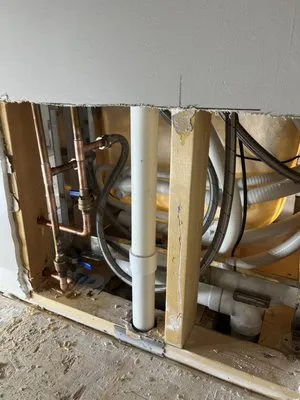
Keefe & Co Plumbing is a family-owned and operated plumbing service based in Twin Lakes, WI, with full licensing and insurance in Illinois. Founded by John Keefe, a 4th generation union plumber with o...
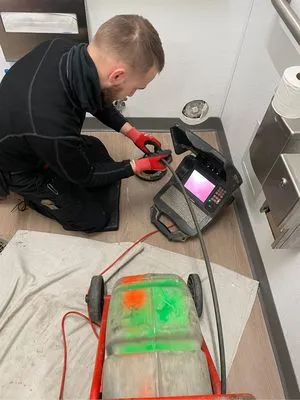
Rescue Plumbing
Rescue Plumbing has been a trusted, local plumbing service in Chicago since 2018. Founded by lifelong Chicagoland resident Benjamin Vance, our mission is rooted in integrity and building lasting relat...
DiFoggio Plumbing has been serving Chicago's plumbing needs for over a century, building a reputation for reliable service across residential, commercial, and industrial projects. As a union-affiliate...
Rescue Plumbing
Rescue Plumbing is a Chicago-based plumbing company founded in 2018 by lifelong Chicagoland resident Benjamin Vance. With a focus on integrity and customer-oriented service, we've built a trusted repu...
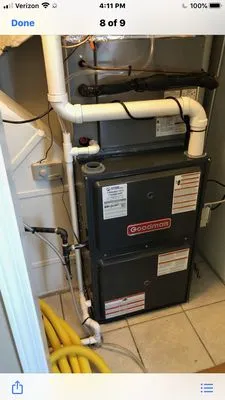
Goode Plumbing
Goode Plumbing has been serving Chicago residents and businesses since 2006, founded by Michael Goode who brings over three decades of plumbing experience to every job. Starting his career in 1993, Mi...
Arrow Plumbing, Heating & Air Conditioning
Arrow Plumbing, Heating & Air Conditioning is a family-owned business that has been a trusted name in Libertyville and Lake County since 1996. Founded on a commitment to unwavering ethics and quality ...
Andersen Plumbing & Heating
Andersen Plumbing & Heating has been serving Aurora homeowners since 1985, originally as Johannessen Plumbing & Heating before Chad Andersen purchased the business in 2011. With nearly 20 years of lic...
D & L Sewer Service is a family-owned plumbing and sewer company serving Elmhurst, IL, and the greater Chicago area since 1991. Founded by Dennis D. Lanthorn, we provide reliable, cost-effective solut...

Precision Today Plumbing Heating Cooling Electrical
Precision Today Plumbing, Heating, Cooling, Electrical has been a trusted name in Franklin Park and the Chicagoland area since 1926. With a team of licensed technicians averaging over 30 years of expe...
Root Busters is a family-owned plumbing company serving Bolingbrook, IL, with over 10 years of experience. Founded by a first-generation plumber who saw the need for honest, affordable service, we spe...
Estimated Plumbing Costs in Little Rock, IL
Questions and Answers
What permits are needed for a water heater replacement in Kendall County?
A water heater replacement typically requires a permit from the Kendall County Building and Zoning Department, as it must meet Illinois Department of Public Health codes for temperature and pressure relief and proper drainage. As a licensed master plumber, I pull that permit, schedule the inspection, and ensure the installation passes. My credentials mean I handle the red tape so you don't have to navigate county offices yourself.
Could the flat land here cause drainage issues for my home?
The plain terrain around Silver Springs means there's very little natural slope for drainage. If your property grading is off by even a few inches, water from heavy rain or snowmelt can pool against your foundation. This constant hydrostatic pressure is a common cause of stress cracks in basement floor drains and main sewer line joints. Ensuring positive drainage away from the house is the first line of defense.
How fast can a plumber get to my house in Little Rock, IL?
Heading past Silver Springs State Fish and Wildlife Area on IL-34 gets me to most homes in the Little Rock area within that 45-60 minute window. That route is a straight shot, so barring any major farm equipment or weather, it's a predictable drive. I plan the dispatch so you get a firm arrival time, not just an estimate.
Are there special plumbing concerns for a rural home near Little Rock?
Yes, rural systems here are self-contained. Your well pump, pressure tank, and septic system are your responsibility. A failing pressure switch on the well or a full septic tank will stop your home's plumbing just as completely as a main break. It's important to have the septic tank pumped on a regular schedule and to listen for short-cycling of the well pump, which indicates a problem in the pressure system.
What's the best way to prepare my plumbing for a Plano winter?
Our lows can hit 15°F, but the real risk is the rapid freeze-thaw cycles during spring. A key pro-tip is to disconnect and drain your garden hoses in the fall and shut off the interior valve to those bibs. For homes with crawl spaces, ensure all vents are closed before the first hard freeze. Insulating pipes in these exposed areas is more effective here than in consistently colder climates, as it moderates those sudden temperature swings.
Does water from the Fox River cause problems for my plumbing?
Water sourced from the Fox River aquifer is very hard, which means it has high mineral content. That hardness leads to scale buildup inside pipes and, critically, inside water heaters. This scale acts as an insulator on heater elements, forcing them to work harder and fail sooner, and it severely reduces the capacity of your tank. Fixture aerators and showerheads also clog with this mineral deposit much faster than in soft water areas.
Why are my copper pipes suddenly leaking after all these years?
A specific issue for 1992-era copper is joint calcification and pitting. Years of hard water have deposited scale inside the pipe, but that scale can also concentrate at solder joints, creating a corrosive cell. This leads to pinhole failures right at the joint or in the pipe wall immediately adjacent. It's not a defect, but the expected service life for copper under our local water conditions.
What can I expect from my 34-year-old copper pipes in Plano?
Copper installed around 1992 is now at a stage where pinhole leaks often appear. Homeowners along the Fox River basin are seeing these leaks primarily at solder joints and in areas with high water velocity, like behind toilet shutoffs and under sinks. This is a natural failure point for copper of this vintage due to decades of water chemistry interacting with the metal. Spotting a small, persistent drip on a supply line is the most common sign.
