Top Emergency Plumbers in Little Mackinaw, IL, 61747 | Compare & Call

There are 66 plumbing companies server in Little Mackinaw IL
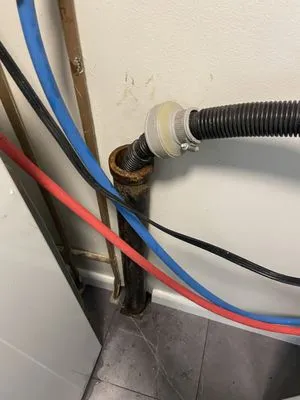
Elite Drain Cleaning began in 2012 as a part-time endeavor born from a founder's passion for tackling complex plumbing challenges. That hands-on dedication evolved into a full-time, year-round service...

For over 30 years, Handyman Plus has been the trusted local solution for homeowners and landlords in Champaign, IL. We manage, maintain, and construct projects of all sizes without the high overhead c...

May's Plumbing & Contracting
May's Plumbing & Contracting is your trusted local partner for plumbing and contracting needs in Bellflower, IL. Since 1998, we've built our reputation on reliable service for both residential and com...

Express Home Repair Handymen Service
Since 2002, Express Home Repair Handyman Service has been the locally owned and operated choice for homeowners and property managers in Champaign, IL. Founded and operated by Richard, we are a full-se...

Dean Leith Plumbing is a trusted residential plumbing service in Lincoln, IL, dedicated to keeping local households running smoothly. We provide comprehensive plumbing repairs and updates, from fixing...
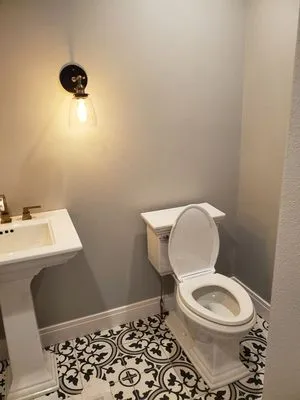
R Maquet Plumbing is your trusted local plumbing expert serving Pekin, IL and surrounding areas. With years of experience, we provide comprehensive plumbing solutions including drain installation and ...
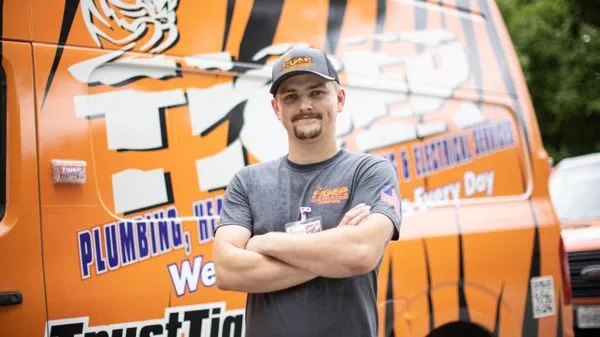
Tiger Plumbing, Heating, Air Conditioning, & Electrical Services
Tiger Plumbing, Heating, Air Conditioning, & Electrical Services is your trusted local provider for comprehensive home services in Springfield, IL. We specialize in plumbing, electrical, HVAC, and mor...
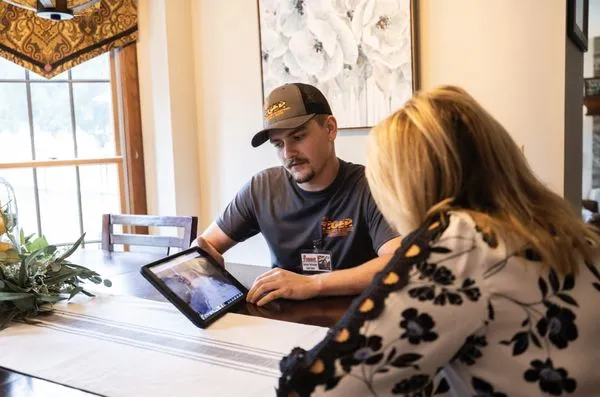
Tiger Plumbing, Heating, Air Conditioning, & Electrical Services
Tiger Plumbing, Heating, Air Conditioning, & Electrical Services is a trusted local provider in Peoria, IL, dedicated to addressing the full range of home system needs. From fixing a leaky faucet and ...

Chris Payne Construction is a Peoria-based tradesman offering comprehensive home improvement services, from small repairs to large-scale remodels. With expertise in appliance installation, handyman as...

At Smittys Do It All in Pekin, IL, we believe in being the reliable, go-to help for our neighbors. With over 20 years of hands-on experience, including 16 years as a union laborer, owner Smitty unders...
Estimated Plumbing Costs in Little Mackinaw, IL
Question Answers
Why are my copper pipes suddenly leaking in multiple spots?
Simultaneous pinhole leaks in 1970s copper are a classic sign of type M copper tubing reaching the end of its service life. The thin wall of type M, combined with our area's hard water, leads to accelerated internal erosion and joint calcification. This wear is not uniform, so it's common for several weak points to fail around the same time, often appearing in horizontal runs or at elbows where water pressure and turbulence are highest.
What's the most important thing to do before spring thaw to avoid plumbing problems?
Before the spring thaw peaks, disconnect and store all outdoor garden hoses. A hose left connected traps water in the exterior faucet, which can freeze during a 17-degree night and crack the pipe inside your wall. When that ice thaws, it leads to a major leak. This simple, five-minute task is the single most effective pro-tip for preventing a common and costly seasonal emergency in our temperate climate.
My copper pipes are original to my 1972 Little Mackinaw home. What problems should I expect?
Copper pipe installed in 1972 is now 54 years old. In Mackinaw Village Center, homeowners with pipes this age commonly see pinhole leaks, especially at soldered joints where decades of water flow have thinned the interior walls. The initial signs are often a small green or white corrosion spot on a pipe or a persistent damp area on a basement wall. These leaks typically start slowly, so catching them early during a seasonal inspection of your mechanical room can prevent significant water damage.
Does having a private well with hard water damage my plumbing fixtures?
Yes, the mineral-heavy water from private wells here causes significant scale buildup. Inside a water heater, this sediment acts as an insulator, forcing the unit to work harder and shortening its lifespan. On fixtures, scale clogs aerators and showerheads, reducing flow. Installing a whole-house water softener is the most effective defense; it protects your water heater, extends appliance life, and reduces the scaling that constricts pipes.
Who handles the permits and inspections for a new water heater or well pump in Tazewell County?
Permits for well-related work fall under the Illinois Department of Public Health, while the Tazewell County Health Department oversees septic and general plumbing code. As a licensed master plumber, I pull all required permits and schedule the mandated inspections for jobs like water heater replacements or pump installations. My credentials allow me to handle this red tape directly, ensuring the work is documented and legal so you don't have to navigate the bureaucracy yourself.
As a rural homeowner, are my septic and well systems connected to my home's plumbing issues?
Absolutely. In a rural setting like ours, your plumbing system is entirely self-contained. A failing septic system can cause backups into your home's drains, while a well pump issue can affect water pressure or introduce sediment. Any repair or installation must account for both ends of the system—the supply from the well and the drainage to the septic field. This integrated view is essential for a lasting fix.
Could the flat land around here cause drainage issues for my home's main sewer line?
The plain terrain around Mackinaw Valley Vineyard lacks the natural slope for ideal drainage. This can cause slow drainage in your main sewer line, as waste and water have less gravitational assistance to flow toward the septic tank or municipal connection. Over time, this stagnation allows solids to settle and build up, increasing the risk of a full blockage. Scheduling periodic drain line video inspections can identify this buildup before it becomes an emergency.
How fast can a plumber get to my house in Little Mackinaw for an emergency?
From our shop near Mackinaw Valley Vineyard, the dispatch route heads straight to I-74, which provides the most direct access to most neighborhoods. A typical response for a critical call, like a burst pipe, takes 45 to 60 minutes. We factor in local traffic and weather on the plain roads off the interstate to give you an accurate arrival window when you call.
