Top Emergency Plumbers in Lancaster, IL, 61013 | Compare & Call

There are 238 plumbing companies server in Lancaster IL
Stevens Plumbing is a trusted local plumbing service in Flat Rock, IL, specializing in comprehensive solutions for residential plumbing needs. We help Flat Rock homeowners address common local issues ...
Clean Line Sewer Septic & Plumbing has been a trusted name in Danville and the surrounding area for over four decades, since 1982. We've built our reputation on providing quick, reliable service at af...

At Plumbing in Paris, IL, is your trusted local plumbing expert, serving homeowners throughout Edgar County with comprehensive solutions for common plumbing challenges. We specialize in addressing the...
Role Model Plumbing And Handyman is your trusted local expert for plumbing and home repair in Marshall, IL. We handle everything from appliance installation to custom cabinetry, providing reliable sol...

Plumbers & Steamfitters Local 157 Apprenticeship & Training
Plumbers & Steamfitters Local 157 Apprenticeship & Training in Hutsonville, IL, is a dedicated training center that prepares skilled plumbers to serve the local community. We focus on hands-on educati...
Patriot Plumbing is a trusted, locally-owned plumbing service in Monticello, IL, dedicated to keeping local homes safe and functional. We understand the common challenges Monticello homeowners face, s...
Biernbaum Plumbing-Heating & Air Cooling has been serving Palestine, IL, and the surrounding communities for years, providing reliable plumbing, heating, and air conditioning services. As a local, fam...
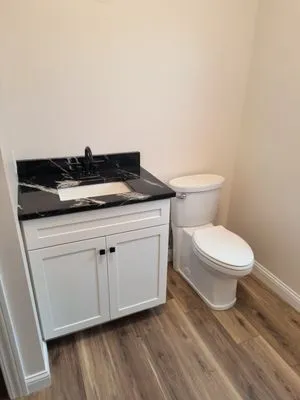
Justin Miller Plumbing is a trusted local plumbing service in Charleston, IL, offering comprehensive solutions for residential and commercial needs. With expertise in over 25 services including bathtu...

All Pro Heating AC Plumbing
All Pro Heating AC Plumbing, LLC, is a licensed and bonded, veteran & family-owned plumbing and HVAC contractor proudly serving Tuscola, IL, and surrounding communities including Hammond, Champaign, T...
D & M Plumbing Services is a trusted, locally-owned plumbing company serving Mattoon, IL, and the surrounding communities. We specialize in comprehensive plumbing solutions for new construction projec...
Estimated Plumbing Costs in Lancaster, IL
FAQs
How long do copper pipes last in Lancaster homes?
Copper pipes installed around 1972 are now 54 years old. Homeowners in Lancaster Center often notice increased frequency of small leaks, especially at joints and fittings. This age brings predictable issues like thinning walls from decades of water flow and mineral interaction. Many houses from that era need partial repiping or full system evaluation to prevent sudden failures.
How quickly can a plumber reach my home in Lancaster?
Heading past Lancaster Covered Bridge on US-50, most dispatch routes cover the area within 45-60 minutes. The plain terrain allows straightforward travel along county roads once off the highway. We factor in bridge crossings and rural driveways when estimating arrival times. Emergency calls get prioritized to minimize water damage during that transit window.
Why do my 1970s copper pipes keep springing pinhole leaks?
Copper pipes from 1972 often develop pinhole leaks due to decades of electrochemical corrosion and scale buildup. The hard water in Lancaster accelerates this thinning process, particularly at solder joints and elbows. These failures typically start as small drips behind walls before becoming visible. Replacing affected sections with modern copper or PEX prevents recurring issues in the same spots.
Are septic systems common in rural Lancaster properties?
Most rural Lancaster homes use private septic systems rather than municipal sewer connections. These systems require regular pumping every 3-5 years depending on household size. Well water systems need annual testing for water quality and safety. Maintaining both systems prevents costly emergencies and ensures reliable operation year-round in our rural setting.
Does Lancaster's hard water damage water heaters?
Private wells here deliver hard water that causes significant scale buildup in water heaters over time. Mineral deposits insulate heating elements, reducing efficiency and shortening tank lifespan. Fixtures like showerheads and faucet aerators clog with calcium deposits every few months. Installing a whole-house water softener protects appliances and maintains consistent water pressure throughout the home.
Who handles permits for plumbing work in Wabash County?
Wabash County Zoning and Building Department issues permits for major plumbing projects, while Illinois Department of Public Health oversees well and septic regulations. As a licensed master plumber, I submit all required paperwork and coordinate inspections. Homeowners avoid the red tape while ensuring work meets current Illinois plumbing code standards for safety and compliance.
What should I do before spring thaw to prevent plumbing problems?
Before temperatures rise above freezing, disconnect garden hoses and drain outdoor spigots. Insulate exposed pipes in crawl spaces, as overnight lows around 18°F can still cause freezing. Check your main water shutoff valve for easy access in case of emergency. These steps prevent burst pipes when thawing reveals weaknesses in older plumbing systems.
Could the flat land around Lancaster affect my drainage system?
The plain terrain near Lancaster Covered Bridge provides minimal natural slope for drainage. This flat landscape causes water to pool around foundations during heavy rains, increasing hydrostatic pressure on basement walls. Main sewer lines can develop low spots where debris accumulates over time. Proper grading away from the house and regular drain cleaning prevent backups and foundation issues.
