Top Emergency Plumbers in Lakewood, IL, 60014 | Compare & Call

There are 236 plumbing companies server in Lakewood IL

Bassett Plumbing
Bassett Plumbing is your trusted Twin Lakes plumber, dedicated to solving the common plumbing issues faced by local homeowners. We specialize in addressing pipe joint and old pipe leaks that can disru...
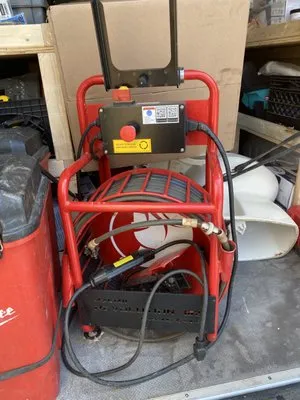
Wally Blanton Plumbing and Sewer
Wally Blanton Plumbing and Sewer is a trusted, licensed provider serving Kenosha, WI, and the wider Chicago-Land area. We offer comprehensive plumbing and sewer solutions for both homes and businesses...
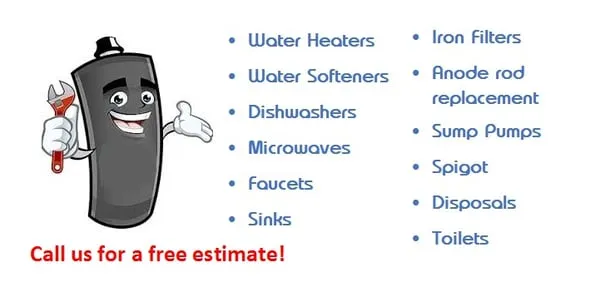
All Star Plumbing Services is your trusted, local plumbing expert in Twin Lakes, WI. We specialize in thorough plumbing inspections to identify and prevent common regional issues before they cause maj...
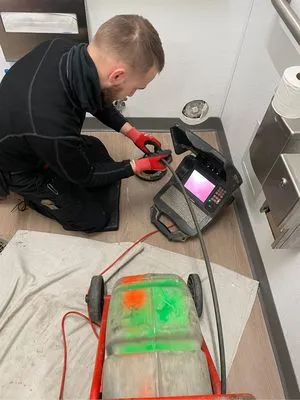
Rescue Plumbing
Rescue Plumbing has been a trusted, local plumbing service in Chicago since 2018. Founded by lifelong Chicagoland resident Benjamin Vance, our mission is rooted in integrity and building lasting relat...
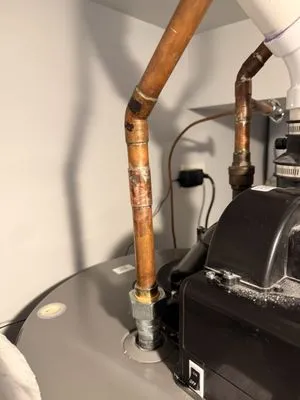
Mr. Rooter Plumbing - Morton Grove
Mr. Rooter Plumbing - Morton Grove is your local, trusted plumbing service in Morton Grove, IL. Founded in 1970 with a commitment to quality work and honest pricing, we bring decades of expertise to e...
DiFoggio Plumbing has been serving Chicago's plumbing needs for over a century, building a reputation for reliable service across residential, commercial, and industrial projects. As a union-affiliate...
Rescue Plumbing
Rescue Plumbing is a Chicago-based plumbing company founded in 2018 by lifelong Chicagoland resident Benjamin Vance. With a focus on integrity and customer-oriented service, we've built a trusted repu...

AquaPro Plumbing is a fully licensed plumbing contractor serving Hoffman Estates, IL, and the surrounding area. We offer a wide range of residential and commercial plumbing, sewer, and hydro-jetting s...
Goode Plumbing
Goode Plumbing has been serving Chicago residents and businesses since 2006, founded by Michael Goode who brings over three decades of plumbing experience to every job. Starting his career in 1993, Mi...

Walter Plumbing Service is a trusted local plumbing company serving Elgin, IL, and the surrounding Fox Valley area. We understand the common challenges Elgin homeowners face, from toilet seal leaks th...
Estimated Plumbing Costs in Lakewood, IL
Questions and Answers
Does the hard water from the Fox River cause specific damage to appliances?
Absolutely. The mineral content leads to scale buildup that acts as an insulator inside water heater tanks, forcing them to work harder and fail sooner. You'll also see reduced flow and premature wear on cartridge faucets and shower valves. Installing a whole-house water softener is the most effective defense; it directly addresses the source water issue before it reaches your fixtures and appliances.
If I call for a plumbing emergency, how long does it take for you to get to my house in Lakewood?
Our dispatch route typically has us heading past Turnberry Golf Club on IL-47. For most addresses in the village, that's a reliable 30 to 45 minute response from the call. Knowing the main arteries like IL-47 and the layout of the subdivisions lets us estimate arrival accurately, so we can give you a solid window when you call.
What's one thing I should do before spring to avoid a plumbing disaster?
Before the spring thaw hits its peak, disconnect and drain your garden hoses. A hose left connected traps water in the outdoor bib, which can freeze and crack the pipe inside your wall. With lows around 15°F, that interior freeze is a real risk. It's a two-minute task that prevents a very costly repair, and it's the most overlooked pro-tip for our temperate climate.
As a suburban homeowner, what should I know about my connection to the village water system?
Your responsibility typically starts at the property line shut-off, or curb stop. The lateral line from there to your house is yours. While tree roots are less aggressive here than in older, denser urban areas, ground settling can still stress this pipe. It's wise to know where your main shut-off is inside the house. Municipal pressure is generally stable, but a sudden change can highlight weaknesses in your 25-year-old internal plumbing.
Who handles the permits if I need to replace my water heater or repipe my house?
The Village of Lakewood Building Department requires permits for major plumbing work. As a licensed master plumber, I pull those permits and schedule the inspections, which includes meeting Illinois Department of Public Health code standards. My credentials allow me to handle that red tape directly. You get the paperwork filed correctly and the final inspection sign-off without having to navigate village hall yourself.
We live near Turnberry Golf Club on pretty flat land. Could that affect our main sewer line?
Flat, plain terrain can complicate drainage. Without a strong natural slope, water and waste rely more on precise pipe grading. Over decades, slight settling can create low spots where debris collects, leading to recurrent clogs. It also means during heavy rain, groundwater can put hydrostatic pressure on the main line, increasing the risk of infiltration or joint failure over time.
Our neighborhood in Lakewood was built in the early 2000s. Are we at the age where plumbing problems start?
Homes built around 2000, like many in Lakewood Estates, now have copper pipes that are 25 to 26 years old. You're entering the phase where the initial factory protective coating inside the copper can wear thin. We're starting to see more frequent pinhole leaks, particularly at soldered joints, because of this natural degradation combined with our local water chemistry. It's a predictable lifespan issue, not a crisis, but it's a good time to be observant.
What's the most common plumbing repair you see in homes from the early 2000s around here?
The signature issue for 25-year-old copper systems is pinhole leaks caused by micro-scale buildup and erosion. Hard water accelerates wear at joints and elbows. We often find these leaks inside walls or ceilings, signaled by a small stain or a drop in water pressure. Replacing a section of pipe is standard, and we sometimes recommend a dielectric union if connecting to a newer water heater to prevent galvanic corrosion.
