Top Emergency Plumbers in Lake Catherine, IL, 60002 | Compare & Call

There are 131 plumbing companies server in Lake Catherine IL
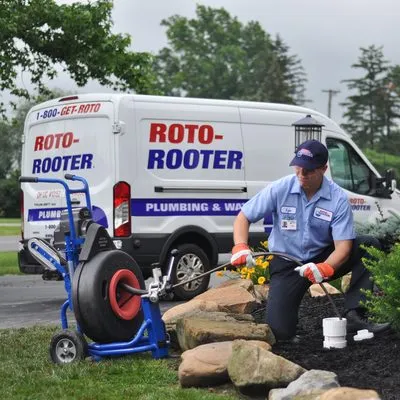
Roto-Rooter Plumbing & Water Cleanup
Roto-Rooter Plumbing & Water Cleanup is a trusted, locally-operated service in Kenosha, Wisconsin. We are fully staffed and ready to help our neighbors 24 hours a day, 7 days a week, with no extra cha...
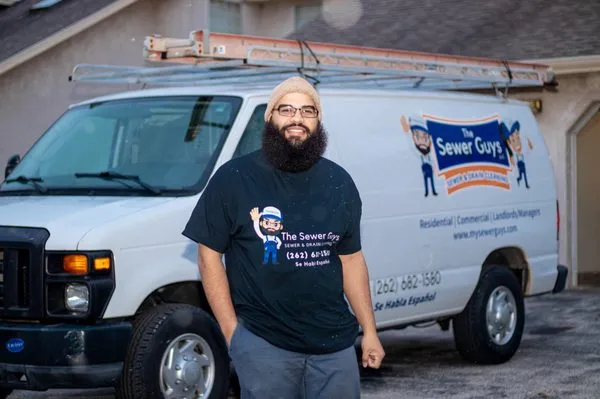
The Sewer Guys, LLC is a family-owned and operated sewer and drain cleaning company proudly serving clients in Kenosha, WI. As a local, family-run business, we understand the importance of reliable pl...

Bassett Plumbing
Bassett Plumbing is your trusted Twin Lakes plumber, dedicated to solving the common plumbing issues faced by local homeowners. We specialize in addressing pipe joint and old pipe leaks that can disru...
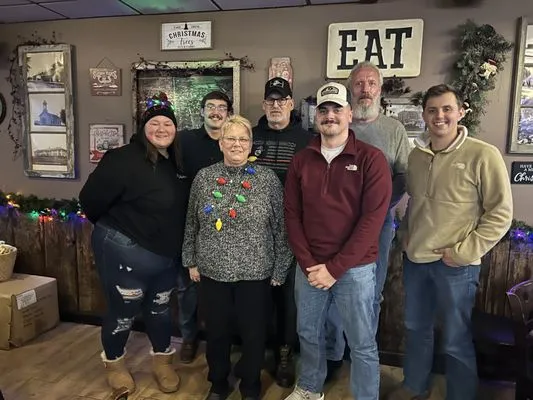
Kenosha Plumbing is a locally owned and operated plumbing company serving Kenosha, WI, with over 30 years of industry experience. Led by owner Katie, who transitioned from a banking career to complete...
Mke Property Maintenance provides reliable electrical, plumbing, and HVAC services for Milwaukee homeowners. We understand the unique challenges of local homes, including common issues like drain clog...

J M Brennan
J.M. Brennan is a family-owned mechanical contracting firm that has been serving Milwaukee and southeastern Wisconsin since 1932. With deep roots in the community, we provide reliable HVAC installatio...
Wally Blanton Plumbing and Sewer
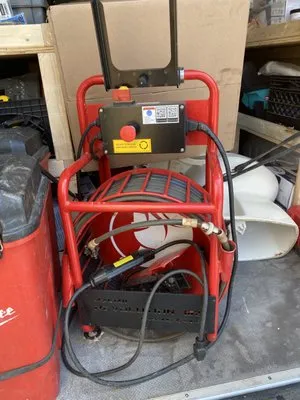
Wally Blanton Plumbing and Sewer is a trusted, licensed provider serving Kenosha, WI, and the wider Chicago-Land area. We offer comprehensive plumbing and sewer solutions for both homes and businesses...
Master Services
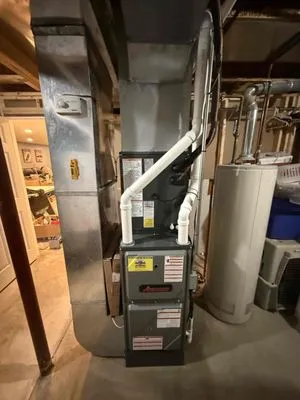
Master Services is a veteran-owned home services company that has been serving Lake Geneva, WI, and the surrounding area since 1990. We specialize in residential plumbing, heating, and cooling solutio...
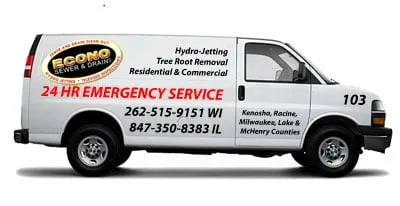
Econo Sewer & Drain is a family-owned plumbing service proudly serving Kenosha, Racine, Zion, and the surrounding communities of Southeast Wisconsin and Northern Illinois. Established in 2010 and buil...
High Standard Plumbing is a trusted, full-service plumbing company serving Twin Lakes, WI, and the surrounding communities. We specialize in a comprehensive range of residential and commercial plumbin...
Estimated Plumbing Costs in Lake Catherine, IL
Question Answers
Does the hard water from Lake Catherine wreck my appliances?
Yes, the mineral content accelerates scale buildup. Inside your water heater, sediment acts like insulation on the burner, forcing it to work harder and fail prematurely. On fixtures, scale clogs aerators and showerheads, reducing flow. Installing a whole-house water softener is the standard defense here to protect your investment in water-using appliances.
Do I need a permit from Antioch to replace my water heater?
Yes, the Antioch Building Department requires permits for water heater replacements to ensure safe pressure relief and gas venting. As a licensed Master Plumber, I handle pulling that permit and scheduling the inspection, which covers Illinois Department of Public Health codes. My credential means I manage the red tape so you don't have to, and the work is documented correctly for your home's records.
How fast can a plumber get to my house in Lake Catherine?
Heading past Chain O'Lakes State Park on US-12 is the main route into Lake Catherine Estates. A 45 to 60 minute response is typical from dispatch, factoring in local traffic and the distance off the main highway. For a true water-shutoff emergency, we prioritize these calls and can often coordinate with you over the phone to minimize damage before arrival.
What's the most common plumbing failure in a 1950s Lake Catherine home?
Galvanized steel pipe joints from that era fail predictably. The threaded connections, where pipes screw together, calcify and lose their seal. This leads to leaks at elbows and tees, often hidden inside walls. We also see entire sections of pipe become so restricted with rust scale that they provide only a trickle of water, requiring full replacement.
What's one thing I should do before spring in the Snow Belt to avoid a plumbing disaster?
Before the spring thaw hits its peak, shut off and drain any exterior hose bibs from inside the house. A frozen bib can crack the pipe back in your foundation wall. It's a simple five-minute task that prevents a costly leak when that frozen water expands. Insulating pipes in unheated crawl spaces is another critical step for our 14-degree lows.
Are my old pipes in Lake Catherine Estates a ticking time bomb?
Your galvanized steel plumbing is now 67 years old. At this stage, the zinc coating inside the pipes has fully corroded, leaving the raw steel to rust. Homeowners here commonly see a significant drop in water pressure from internal scale buildup and start getting pinhole leaks in pipe walls. It's not an immediate emergency for every home, but total failure is a matter of when, not if.
As a homeowner in a suburban area like this, what should I know about my main water line?
Your service line from the municipal main to your house is your responsibility. In this setting, the primary threats are corrosion of older galvanized lines and potential damage from decades of soil movement. Roots from mature trees are less of an issue for the main water line itself, but they are a major concern for your sewer lateral, which should be scoped if you experience recurring drain problems.
Could the low ground near Chain O'Lakes affect my sewer line?
Low-lying, saturated soil common here puts constant hydrostatic pressure on buried sewer lines. This can cause older clay or cast iron pipes to shift and settle at their joints, creating a belly that collects waste and leads to repeated blockages. During heavy rain or snowmelt, groundwater can also infiltrate these compromised joints, overloading your system.
