Top Emergency Plumbers in Knollwood, IL, 60044 | Compare & Call

There are 33 plumbing companies server in Knollwood IL
All Star Plumbing Services is your trusted, local plumbing expert in Twin Lakes, WI. We specialize in thorough plumbing inspections to identify and prevent common regional issues before they cause maj...
HT Strenger Plumbing
H.T. Strenger Plumbing has been a trusted fixture in Lake Bluff and the North Shore since 1911, providing professional plumbing services to both homes and businesses. Under current ownership, which br...
Center Guard Plumbing
Center Guard Plumbing is the reliable local choice for Fox Lake homeowners. Founded as a family business in 2005, we've grown by staying true to the hands-on service and integrity that built our reput...
Giertsen Company of Illinois
Giertsen Company of Illinois is a family-owned restoration business serving Buffalo Grove and surrounding communities since 1918. With nearly a century of experience, they specialize in biohazard clea...
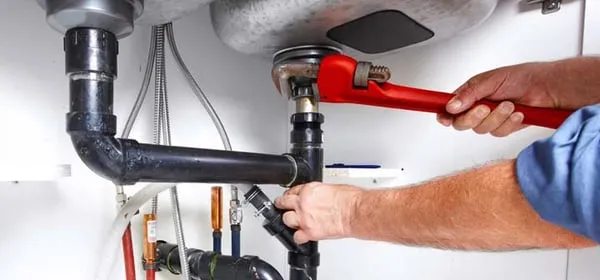
For over 35 years, B&D Plumbing and Sewer Service, Inc. has been a trusted, family-owned provider for New Lenox and surrounding Will, Cook, and DuPage counties. We specialize in a full spectrum of plu...
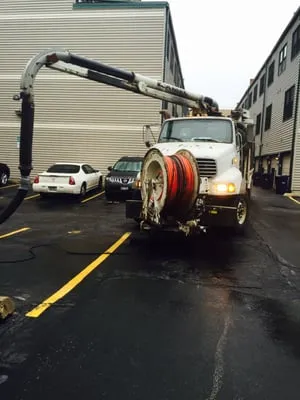
ASAP Plumbing & HVAC
ASAP Plumbing & HVAC is a family-owned and operated business that has been serving the Glenview community and greater Chicagoland area with honest, reliable plumbing and HVAC services for nearly three...
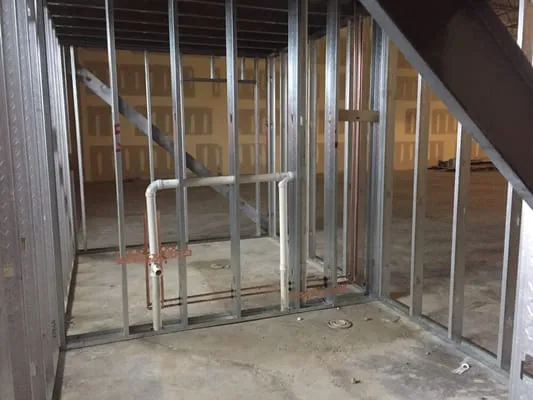
Old State Mechanical is a Palos Hills plumbing company founded on a simple principle: delivering reliable, quality work with a focus on the customer. Owners Ralph and Matt are both licensed, experienc...
Ernie Peterson Plumbing
For over 55 years, Ernie Peterson Plumbing has been the trusted, family-owned plumbing service for Waukegan and the surrounding communities. Founded in 1965, our commitment to honest, reliable work ha...
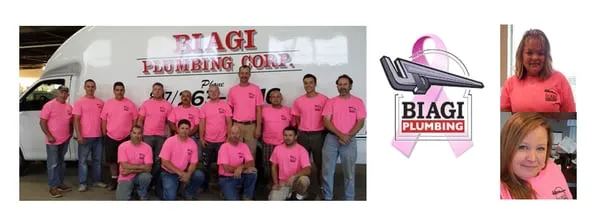
Biagi Plumbing has been the trusted plumbing partner for Lake Forest and the North Shore community since 1989. As a family-owned and operated business, we provide comprehensive plumbing solutions for ...
Palmer Plumbing & Heating
Palmer Plumbing & Heating is a trusted local plumbing and HVAC company serving Lake Forest, IL, and surrounding areas. With years of experience, we specialize in a wide range of services including bat...
Estimated Plumbing Costs in Knollwood, IL
Common Questions
Does Lake Michigan water damage my home's plumbing fixtures?
Lake Michigan water contains minerals that create hard water scaling throughout your plumbing system. This buildup reduces water heater efficiency by insulating heating elements and restricts flow in faucet aerators and showerheads. Over time, scale accumulation in water heaters can lead to premature failure and increased energy costs. Installing a water softener or using scale prevention systems helps protect your fixtures and appliances.
Could the flat land around Lake Forest Preserve cause drainage problems?
The plain terrain around Knollwood provides minimal natural slope for drainage, which can lead to water pooling near foundations during heavy rains. This puts constant hydrostatic pressure on your main sewer line and can cause soil saturation that stresses pipe joints. Proper grading away from your home's foundation and functional downspout extensions are essential to prevent water from compromising underground plumbing.
Why do my copper pipes keep developing small leaks?
Copper plumbing from the 1970s often suffers from joint calcification and pinhole corrosion. Mineral deposits from our hard water accumulate at connection points, creating weak spots where leaks develop. The copper itself becomes thinner over decades of use, particularly in areas with turbulent water flow. These failures typically start in supply lines rather than drain pipes.
As a suburban homeowner, what plumbing issues should I watch for?
Municipal water pressure in suburban Knollwood typically runs higher than in rural areas, which accelerates wear on aging pipe joints and fixtures. Tree roots seeking moisture often infiltrate sewer laterals, especially in neighborhoods with mature landscaping. Regular checks of water pressure regulators and occasional sewer line inspections can prevent major failures. Unlike rural properties with wells, you're dealing with consistent municipal supply but higher system pressure.
How quickly can a plumber get to my house in Knollwood?
Heading past Lake Forest Preserve on I-94 puts me in your neighborhood within 30-45 minutes for emergency calls. This dispatch route avoids local traffic bottlenecks common on surface streets. For scheduled appointments, I plan around peak commute times to ensure reliable arrival windows.
Who handles permits and inspections for plumbing work in Lake Bluff?
I coordinate directly with the Lake Bluff Building Department for all required permits and final inspections. With Illinois Department of Public Health credentials, I ensure installations meet current code requirements for safety and functionality. Homeowners don't need to navigate bureaucracy or worry about compliance paperwork. This includes everything from water heater replacements to full bathroom remodels in Knollwood Estates.
My Knollwood Estates home was built around 1970 - should I be worried about my plumbing?
Copper pipes installed in the 1970s are now 56 years old. Homeowners in Knollwood Estates are seeing pinhole leaks develop in their copper lines, especially at joints and elbows where water turbulence accelerates wear. This aging infrastructure often shows up as small damp spots on walls or ceilings before becoming visible leaks. Regular inspections of exposed pipes in basements and crawl spaces can catch these issues early.
What should I do to prepare my plumbing for spring in this area?
Our spring thaw brings temperature swings that stress plumbing systems. Before temperatures consistently stay above freezing, check outdoor spigots for winter damage and ensure basement pipes aren't touching cold exterior walls. A pro-tip: keep cabinet doors under sinks open during cold snaps to allow warm air circulation around pipes. This prevents the freeze-thaw cycles that cause joints to fail.
