Top Emergency Plumbers in Hollis, IL, 61539 | Compare & Call

There are 236 plumbing companies server in Hollis IL
Garrels Company is a trusted, locally-owned service provider in Bettendorf, IA, serving the Quad Cities with dedication since 1991. Our team is led by a licensed plumber, electrician, certified founda...

Tri-County Plumbing & Backflow LLC brings two decades of specialized expertise to Waterman and Northern Illinois, focusing on backflow prevention for irrigation, fire, and domestic water systems. As a...
For over 35 years, B&D Plumbing and Sewer Service, Inc. has been a trusted, family-owned provider for New Lenox and surrounding Will, Cook, and DuPage counties. We specialize in a full spectrum of plu...
Superior Fix Handyman in Plainfield, IL, is a locally-owned and licensed service dedicated to providing reliable solutions for your home's electrical and plumbing needs. We understand that problems li...
Patriot Plumbing is a trusted, locally-owned plumbing service in Monticello, IL, dedicated to keeping local homes safe and functional. We understand the common challenges Monticello homeowners face, s...
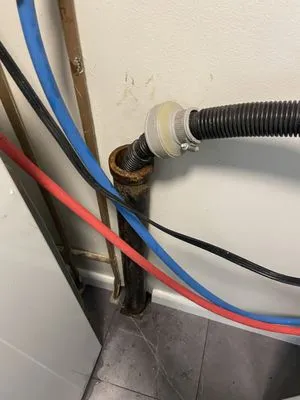
Elite Drain Cleaning began in 2012 as a part-time endeavor born from a founder's passion for tackling complex plumbing challenges. That hands-on dedication evolved into a full-time, year-round service...
For over 30 years, Handyman Plus has been the trusted local solution for homeowners and landlords in Champaign, IL. We manage, maintain, and construct projects of all sizes without the high overhead c...
May's Plumbing & Contracting
May's Plumbing & Contracting is your trusted local partner for plumbing and contracting needs in Bellflower, IL. Since 1998, we've built our reputation on reliable service for both residential and com...
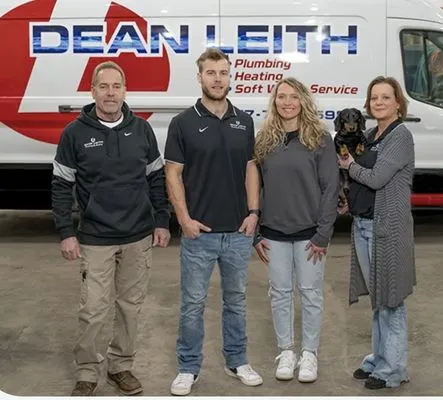
Dean Leith Plumbing is a trusted residential plumbing service in Lincoln, IL, dedicated to keeping local households running smoothly. We provide comprehensive plumbing repairs and updates, from fixing...
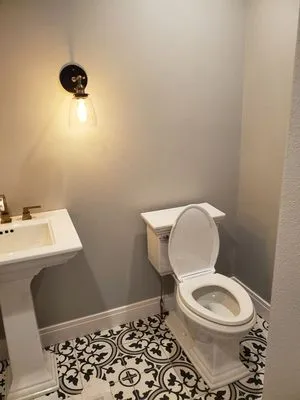
R Maquet Plumbing is your trusted local plumbing expert serving Pekin, IL and surrounding areas. With years of experience, we provide comprehensive plumbing solutions including drain installation and ...
Estimated Plumbing Costs in Hollis, IL
Q&A
As a rural home, what plumbing systems need the most attention?
Private wells and septic systems require consistent maintenance. Well components like the pressure tank and switch wear out. For septic, the drain field in this soil can become overloaded, especially if a garbage disposal is used heavily. Annual septic inspections and testing well water pressure are more critical here than in a home on municipal lines.
Who handles permits for a bathroom remodel or septic repair in Peoria County?
Peoria County Planning and Zoning issues the permits, and the Illinois Department of Public Health has specific codes for well and septic work. I pull those permits and schedule the required inspections as part of the job. Handling that red tape is standard procedure, so you don't have to navigate the county offices yourself.
How long does it take for a plumber to get to Hollis from Peoria?
Heading past Wildlife Prairie Park on US-24, the dispatch route to Hollis is straightforward. A 30 to 45 minute response is typical, depending on traffic and your specific location off the main corridor. We factor this travel time into our scheduling to give you a realistic window, so you're not waiting around unsure.
Does the Illinois River water cause problems for my water heater?
Yes, the mineral content from the river leads to hard water and significant scale buildup. Inside your water heater, this scale acts as an insulator on the heating elements, forcing them to work harder and fail prematurely. You'll notice reduced hot water capacity and higher energy bills. An annual flush and a whole-house softener are critical for longevity here.
What is the most common plumbing repair for a 1970s Hollis home?
The most frequent call is for pinhole leaks in the copper supply lines. Joints and elbows from that period are also prone to calcification, where mineral scale from the hard water weakens solder points. We often end up re-piping entire sections rather than chasing individual leaks, as one failure usually signals more are imminent in the same aged pipe.
What should I do to my pipes before a deep Illinois freeze?
Before temperatures hit that 17°F low, shut off and drain outdoor faucets from the inside valve. Insulate pipes in unheated crawl spaces or against exterior walls. The bigger risk here is the spring thaw, not the initial freeze. As the ground shifts, it can stress older copper lines and expose weak points, so check for moisture in basements and crawlspaces after the thaw.
Why am I suddenly getting so many pinhole leaks in my copper pipes?
Houses built around 1973, common in Hollis Township, have copper pipes now over 50 years old. At this age, the internal protective lining has worn thin from decades of hard water flow. Homeowners are seeing clusters of small leaks, often behind walls or under slabs, because the metal is simply fatigued. This isn't a single failure but the predictable lifespan of that era's plumbing materials.
Could the flat land around Wildlife Prairie Park affect my home's drainage?
The plain terrain means water has little natural slope to run off. During heavy rains, saturated soil can put hydrostatic pressure on your foundation and the buried main sewer line. This pressure seeks the path of least resistance, which is often through a compromised joint in your older pipes, leading to backups or a compromised main line.
