Top Emergency Plumbers in Harwood Heights, IL, 60706 | Compare & Call

There are 237 plumbing companies server in Harwood Heights IL
Mike The Plumber is a licensed Evanston plumbing service built on a foundation of integrity, fairness, and honest communication. We believe true professionalism comes from deep, accurate knowledge of ...
Since 1975, Drain-EEZ Plumbing has been a family-owned, trusted resource for Chicago homeowners and businesses. With over 40 years in the trade, our focus is on providing reliable residential repairs ...
Rescue Plumbing
Rescue Plumbing has been a trusted, local plumbing service in Chicago since 2018. Founded by lifelong Chicagoland resident Benjamin Vance, our mission is rooted in integrity and building lasting relat...
Scotty's Plumbing is a trusted local plumbing service in Chicago, IL, dedicated to helping homeowners tackle common plumbing emergencies and maintenance needs. We specialize in a comprehensive range o...
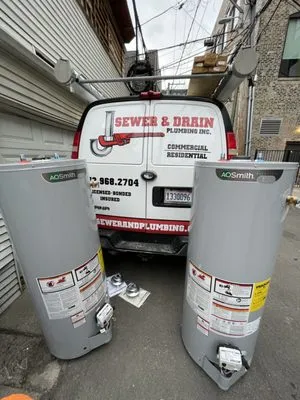
J Sewer & Drain Plumbing
Founded in 2017 by a seasoned plumber, J Sewer & Drain Plumbing is a family-owned Chicago company built on a simple promise: to provide a better service for clients and a better experience for employe...
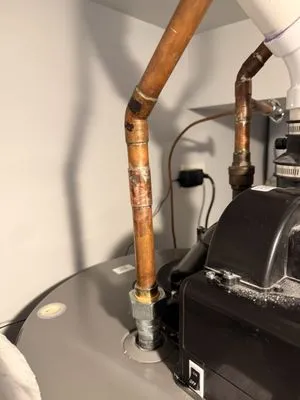
Mr. Rooter Plumbing - Morton Grove
Mr. Rooter Plumbing - Morton Grove is your local, trusted plumbing service in Morton Grove, IL. Founded in 1970 with a commitment to quality work and honest pricing, we bring decades of expertise to e...
Rocket Plumbing Chicago
Rocket Plumbing Chicago is a trusted local plumbing company serving Chicago and its suburbs since 2003. Founded by Brian, a Wicker Park resident with over 16 years of plumbing experience, the company ...
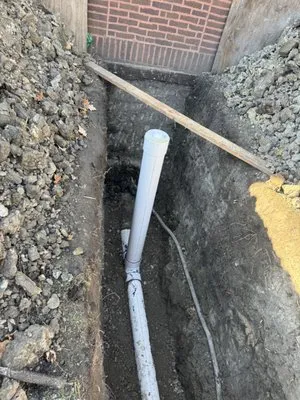
Midwest Hydro Jetting And Sewer Service is a Chicago Ridge plumbing company built on a foundation of local craftsmanship and customer-first service. Owner-operated from the start, our team is selected...
Windy City Plumbing is a full-service plumbing company serving Berwyn, IL, and the surrounding area. Founded by Jose Rivera, who began his plumbing career at age 15, the business is built on over 17 y...

Sims & Sons Electric and Plumbing is a family-owned, licensed and bonded service company serving Chicago and its northern suburbs. Founded by Darrell Sims, who began working in electrical and plumbing...
Estimated Plumbing Costs in Harwood Heights, IL
Questions and Answers
Why am I suddenly getting pinhole leaks in my Harwood Heights home?
Your home's copper plumbing is approximately 59 years old, installed when the area was developed around 1967. Copper pipe has a typical lifespan of 50-70 years. What you're seeing now is the natural endpoint of that material, where decades of water flow have thinned the pipe walls. In neighborhoods like Harwood Heights Central, this often manifests as clusters of pinhole leaks in the hot water lines first, usually behind walls or in ceiling cavities. It's a systemic issue for homes of this vintage.
Could the flat land here cause sewer problems?
The plain terrain around Ridgemoor Country Club and throughout Harwood Heights can complicate drainage. Without a natural slope, waste relies entirely on proper pipe grade and municipal pump stations to move. A slight settlement in your main sewer line over decades can create a low spot where solids collect and cause recurring clogs. We often use camera inspections to identify these bellies in the line, which are a common root cause of persistent basement drain backups in the area.
How fast can a plumber get to my house in Harwood Heights?
My typical dispatch route has me heading past Ridgemoor Country Club to access I-90, which provides a direct corridor into most of Harwood Heights. Traffic permitting, this allows for a consistent 20-30 minute response window from the time you call. I plan routes to avoid local school zones during peak hours. This reliable timing means we can often assess and contain a leak before it causes significant secondary damage.
Do I need a permit to replace my water heater in Harwood Heights?
Yes, the Harwood Heights Building Department requires a permit for water heater replacement to ensure the installation meets current safety and building codes. As a Master Plumber licensed by the Illinois Department of Public Health, I handle pulling that permit, scheduling the inspection, and ensuring the job passes. My credentials mean I manage all the red tape; your involvement is typically just letting the inspector into the basement. This protects your home's value and your insurance coverage.
Does Lake Michigan water damage my water heater?
Yes, the mineral content in our Lake Michigan water supply leads to hard water and scale buildup. Inside your water heater, this scale acts as an insulating blanket on the heating elements or gas burner, forcing the unit to work harder and shortening its life. You'll see reduced hot water capacity and higher energy bills. Installing a quality water softener is the most effective countermeasure, and flushing the heater annually is a mandatory maintenance task here.
My basement drain is backing up. Is it the village's problem or mine?
In our suburban setting, you are typically responsible for the sewer lateral from your house to the main line under the street. Tree roots seeking moisture are a frequent culprit for invading these older lines, even from neighboring properties. The first step is a camera inspection to locate the blockage. If it's on your side of the property line, the repair is yours. If the camera shows the village's main is blocked, I can provide the documentation you need to contact public works.
What is the most common plumbing failure in a 1960s Harwood Heights house?
The most frequent critical failure is joint calcification and pinhole leaks in the copper lines. Original solder joints from the 1960s can become brittle and fail, especially at 90-degree elbows where water pressure stresses the connection. Simultaneously, the pipe walls themselves thin from internal corrosion. A failure often starts as a small, persistent drip inside a wall that eventually erodes into a major leak. Proactive repiping is a standard recommendation for homes at this age to prevent catastrophic water damage.
What should I do to my pipes before a Chicago winter?
The key pro-tip for our temperate climate is to disconnect and drain all outdoor hoses by late October. A forgotten hose bib can trap water that freezes and splits the pipe inside your wall, leading to a major leak when the spring thaw hits and temperatures rise back above freezing. Insulating pipes in unheated crawl spaces or garages is also critical, as our lows can dip to 18°F. A slow drip from faucets during extreme cold snaps is a smart, low-cost insurance policy.
