Top Emergency Plumbers in Harlem, IL, 61011 | Compare & Call

There are 164 plumbing companies server in Harlem IL

Riteway Heating, Cooling, & Plumbing Services
Riteway Heating, Cooling, & Plumbing Services is your trusted, family-run home comfort expert in Delavan and throughout Walworth County. Owned and operated by Jeff Papcke, a third-generation HVAC prof...

J M Brennan
J.M. Brennan is a family-owned mechanical contracting firm that has been serving Milwaukee and southeastern Wisconsin since 1932. With deep roots in the community, we provide reliable HVAC installatio...

Dans Drain Cleaning Service provides essential plumbing and drain services for Beloit homes and businesses. Operating around the clock, the team tackles a full range of issues from simple clogs and sl...
Ryan Heating & Plumbing
Founded by Steve Ryan in the 1970s, Ryan Heating & Plumbing is a trusted family legacy now led by his son, Josh, and Josh's wife, Char. Since Josh took over in 2005, the business has remained rooted i...
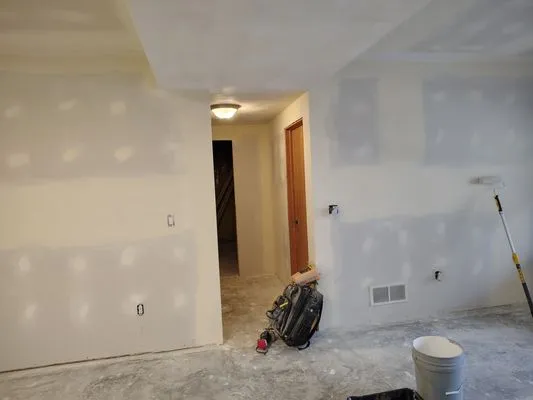
Titan Renovation Enterprise is a locally owned and operated renovation company serving Janesville, WI, with over 50 years of collective experience. We provide comprehensive home repair and renovation ...
LKC Home Services
LKC Home Services is a trusted, locally-owned provider serving the Clinton, WI community for over 25 years. We specialize in plumbing, heating, and cooling services, and have recently expanded our exp...

The Handyman Life is a local, family-run business serving Beloit, WI, with a foundation built on decades of practical experience. Founded by Steve, who learned the trade from his father Tom, the compa...
Collins Sanitary is a family-owned plumbing and septic service provider serving Clinton, WI, and surrounding communities for over 30 years. We specialize in comprehensive septic system services, from ...
Arrow Plumbing, Heating & Air Conditioning
Arrow Plumbing, Heating & Air Conditioning is a family-owned business that has been a trusted name in Libertyville and Lake County since 1996. Founded on a commitment to unwavering ethics and quality ...
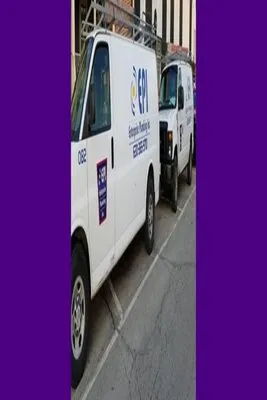
Enterprise Plumbing, Inc. has been serving Elburn and surrounding communities since 1985, building our reputation on reliable plumbing solutions for both homes and businesses. Founded with deep roots ...
Estimated Plumbing Costs in Harlem, IL
Questions and Answers
Does Rock River water affect my home's plumbing fixtures?
Water sourced from the Rock River is hard, causing scale buildup that reduces efficiency in water heaters and clogs faucet aerators. Over time, this mineral accumulation insulates heating elements, forcing them to work harder and shortening their lifespan. Installing a water softener or scheduling regular descaling can mitigate these effects and preserve your fixtures.
What should I do to prepare my plumbing for spring in Harlem's climate?
With lows around 14°F and spring thaw peaks, a key pro-tip is to insulate exposed pipes in unheated spaces like basements or crawlspaces before winter ends. Thaw cycles can cause expansion and contraction in older copper, leading to joint failures. Checking for leaks after the first major thaw helps catch issues early before they escalate.
Could the flat land around Harlem Community Park cause drainage problems?
Plain terrain here means slow drainage, which can saturate soil and put lateral stress on main sewer lines. Over time, this moisture weakens pipe bedding, leading to misalignment or cracks. Ensuring proper grading away from your foundation and installing French drains can redirect water flow and reduce pressure on underground plumbing.
Who handles permits and codes for plumbing work in Winnebago County?
I manage all red tape with the Winnebago County Building Department and maintain Illinois Department of Public Health credentials for compliance. This includes pulling permits for major installations and ensuring work meets local codes, so homeowners don't need to navigate bureaucracy. Proper documentation also protects your property value and avoids fines.
How fast can a plumber get to my house in Harlem during an emergency?
Heading past Harlem Community Park on US Route 20, I can typically reach most addresses in Harlem within 45-60 minutes. This route avoids congestion and provides direct access to residential areas. For urgent issues like burst pipes, I prioritize dispatch to minimize water damage, keeping tools prepped for immediate use upon arrival.
As a rural homeowner in Harlem, what unique plumbing issues should I watch for?
Rural settings often involve septic systems and private wells, which require regular maintenance to avoid backups or contamination. Well pumps can fail due to hard water scaling, while septic tanks need pumping every 3-5 years. Monitoring water pressure and scheduling inspections helps prevent emergencies that are costly to repair in remote locations.
Why do my copper pipes keep springing small leaks?
Copper pipes from 1984 often develop pinhole leaks due to corrosion and joint calcification. Over decades, mineral deposits from hard water accumulate at fittings, creating weak spots where the metal thins. This is accelerated in areas with aggressive water chemistry, leading to failures that start small but can worsen quickly if ignored.
My Harlem Center home was built around 1984—should I worry about the plumbing?
Copper pipes installed in 1984 are now 42 years old. At this age, homeowners in Harlem Center often notice pinhole leaks developing in hot water lines, especially near joints where solder has degraded. The copper itself becomes thinner from decades of water flow, making it vulnerable to pressure fluctuations. This isn't a sudden failure but a gradual wear-out phase that requires monitoring and proactive maintenance.
