Top Emergency Plumbers in Glenwood, IL, 60411 | Compare & Call

There are 234 plumbing companies server in Glenwood IL
Rescue Plumbing
Rescue Plumbing has been a trusted, local plumbing service in Chicago since 2018. Founded by lifelong Chicagoland resident Benjamin Vance, our mission is rooted in integrity and building lasting relat...
Midwest Hydro Jetting And Sewer Service is a Chicago Ridge plumbing company built on a foundation of local craftsmanship and customer-first service. Owner-operated from the start, our team is selected...
Jireh Plumbing is a woman-owned, Black-owned plumbing company proudly serving Chicago with over a decade of combined experience in residential and commercial plumbing. We're passionate about providing...

Sims & Sons Electric and Plumbing is a family-owned, licensed and bonded service company serving Chicago and its northern suburbs. Founded by Darrell Sims, who began working in electrical and plumbing...
Zuniga's Plumbing is a trusted, full-service plumbing and heating company serving Chicago and its surrounding suburbs. With a deep-rooted history spanning over 50 years in the industry and a dedicated...
Chicago Sewer and Drain Professionals is a licensed plumbing service based in North Riverside, IL, dedicated to providing reliable and affordable sewer and drain solutions for homeowners throughout th...
DiFoggio Plumbing has been serving Chicago's plumbing needs for over a century, building a reputation for reliable service across residential, commercial, and industrial projects. As a union-affiliate...
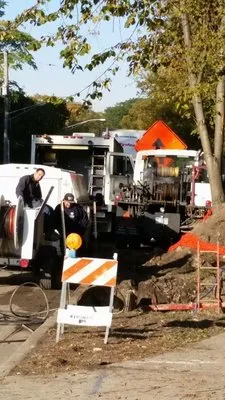
Rooter Flush has been Chicago's trusted plumbing partner since 2002. As a family-owned business, we understand the unique plumbing challenges our neighbors face, from winter's deep freeze to aging sew...
Rescue Plumbing
Rescue Plumbing is a Chicago-based plumbing company founded in 2018 by lifelong Chicagoland resident Benjamin Vance. With a focus on integrity and customer-oriented service, we've built a trusted repu...
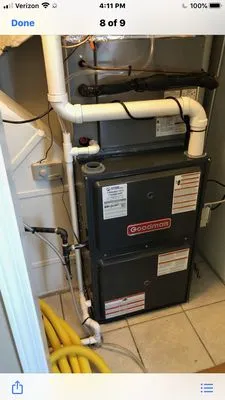
Goode Plumbing
Goode Plumbing has been serving Chicago residents and businesses since 2006, founded by Michael Goode who brings over three decades of plumbing experience to every job. Starting his career in 1993, Mi...
Estimated Plumbing Costs in Glenwood, IL
FAQs
What permits are needed for a water heater replacement in Glenwood?
The Village of Glenwood Building Department requires a permit for any water heater replacement to ensure the installation meets current code, including proper expansion tanks and pan drains. As a licensed master plumber, I pull that permit, schedule the village inspection, and handle all documentation with the Illinois Department of Public Health for the appliance registration. My job is to manage the red tape so your project is compliant and hassle-free.
How quickly can a plumber get to my house in Glenwood during an emergency?
A standard dispatch from our shop takes 30-45 minutes. The route often involves heading past Glenwood Oaks Park to catch I-394, which provides a direct path into the neighborhoods. We factor in local traffic patterns and keep our trucks stocked for common calls, so we can usually diagnose and begin a repair within the first hour on site.
As a suburban homeowner, what's my responsibility for the sewer line?
You are responsible for the entire sewer lateral from your house to the connection with the main municipal line in the street. In Glenwood's older subdivisions, tree roots are a constant threat to these clay or cast iron pipes. A video inspection can identify root intrusion or bellied pipe sections before they cause a backup. Addressing these issues on your property prevents the expense and mess of a sewer emergency.
Why do my copper pipes keep springing pinhole leaks?
Pinhole leaks in 58-year-old copper are typically caused by a combination of factors. The local hard water accelerates internal pitting corrosion. Over decades, this corrosion thins the pipe wall until a microscopic hole forms. The problem often clusters in horizontal runs or at fittings, and once one appears, others in the system are likely to follow due to the uniform age and water chemistry.
Could the flat land around here cause plumbing problems?
The generally plain terrain in Glenwood can complicate drainage. With minimal natural slope, a clogged main sewer line or a compromised lateral can lead to very slow drainage and backups, as wastewater has nowhere to go. Soil settlement over decades can also put stress on the main line connection to the municipal sewer, creating a low spot that collects debris and causes recurring blockages.
What's the most important plumbing maintenance for a Glenwood winter?
The critical action is to disconnect and drain your outdoor garden hoses before temperatures hit the teens. A trapped hose bib can freeze and crack the pipe inside your wall, leading to a major leak when it thaws. Given our lows around 18°F, this simple step prevents the most common cold-weather call we get. Insulating exposed pipes in unheated crawlspaces is also a wise precaution.
Does Glenwood's hard water from Lake Michigan damage my appliances?
Yes, the mineral content in our Lake Michigan water leads to significant scale buildup. Inside a water heater, this scale acts as an insulator, forcing the unit to work harder and fail prematurely. On fixtures and showerheads, it reduces flow and can seize cartridge valves. Installing a whole-house water softener is the most effective defense to protect your water heater, faucets, and piping from this accelerated wear.
My house in Glenwood Manor was built in the late 1960s. Should I be worried about my plumbing?
Copper pipes installed around 1968 are now 58 years old. In Glenwood, that age means the original, thin-wall Type M copper is reaching the end of its service life. Homeowners here are seeing pinhole leaks from internal corrosion and joint failures where the solder has deteriorated. It's a predictable lifespan issue, not a random failure, so proactive inspection is often more cost-effective than repeated emergency repairs.
