Top Emergency Plumbers in Fremont, IL, 60030 | Compare & Call

There are 238 plumbing companies server in Fremont IL
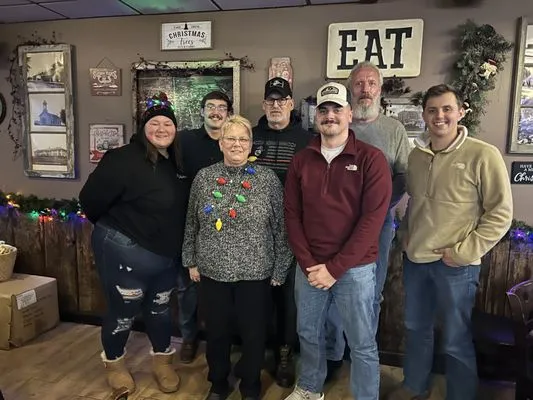
Kenosha Plumbing is a locally owned and operated plumbing company serving Kenosha, WI, with over 30 years of industry experience. Led by owner Katie, who transitioned from a banking career to complete...
Mike The Plumber is a licensed Evanston plumbing service built on a foundation of integrity, fairness, and honest communication. We believe true professionalism comes from deep, accurate knowledge of ...
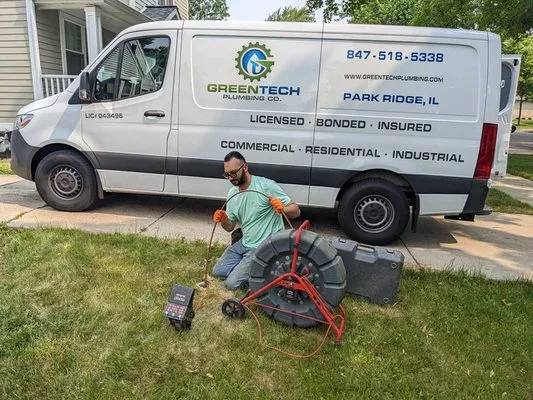
Green Tech Plumbing
Green Tech Plumbing is a family-run, Des Plaines-based company rooted in a deep respect for the plumbing craft. Manager Kevin K., born and raised in nearby Park Ridge, learned the trade from master pl...
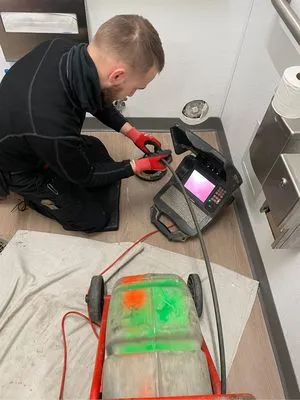
Rescue Plumbing
Rescue Plumbing has been a trusted, local plumbing service in Chicago since 2018. Founded by lifelong Chicagoland resident Benjamin Vance, our mission is rooted in integrity and building lasting relat...
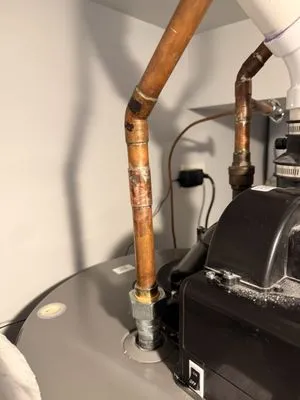
Mr. Rooter Plumbing - Morton Grove
Mr. Rooter Plumbing - Morton Grove is your local, trusted plumbing service in Morton Grove, IL. Founded in 1970 with a commitment to quality work and honest pricing, we bring decades of expertise to e...
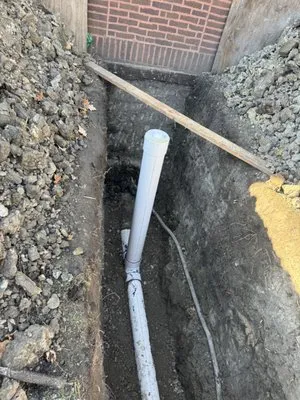
Midwest Hydro Jetting And Sewer Service is a Chicago Ridge plumbing company built on a foundation of local craftsmanship and customer-first service. Owner-operated from the start, our team is selected...

Sims & Sons Electric and Plumbing is a family-owned, licensed and bonded service company serving Chicago and its northern suburbs. Founded by Darrell Sims, who began working in electrical and plumbing...
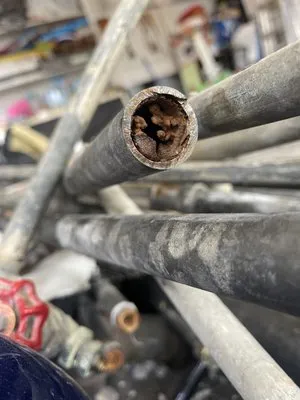
Zuniga's Plumbing is a trusted, full-service plumbing and heating company serving Chicago and its surrounding suburbs. With a deep-rooted history spanning over 50 years in the industry and a dedicated...
CJ Plumbing & Heating
For over 30 years, CJ Plumbing & Heating has been a trusted, family-operated plumbing and HVAC service for Evanston and the greater Chicagoland area. As a third-generation plumber, the owner brings a ...
Plumbing 123 is a licensed plumbing service based in Chicago's Norwood Park neighborhood, serving the city and surrounding suburbs. With approximately 20 years of experience in sewer and water work, o...
Estimated Plumbing Costs in Fremont, IL
Questions and Answers
What permits do I need for plumbing work in Lake County?
Lake County Planning, Building and Development requires permits for most plumbing modifications, especially when dealing with wells or septic systems. As a licensed master plumber with Illinois Department of Public Health credentials, I handle the red tape so you don't have to. This includes submitting plans, scheduling inspections, and ensuring all work meets current codes. Proper documentation protects your property value and ensures system safety.
My Fremont Center home was built around 1985 - should I be worried about my plumbing?
Copper pipes installed in 1985 are now 41 years old. Homeowners in Fremont Center are seeing pinhole leaks, joint calcification, and reduced water pressure as the copper reaches the end of its typical lifespan. The mineral buildup from decades of hard water accelerates this deterioration. Regular inspections can catch these issues before they become major emergencies.
Why do my copper pipes keep developing small leaks?
Copper pipes from 1985 installations often develop pinhole leaks due to electrolytic corrosion and scale buildup from hard water. The joints calcify over four decades, creating weak points where water pressure finds the path of least resistance. These failures typically start in hot water lines and areas with turbulent flow. Replacing affected sections with dielectric unions prevents galvanic corrosion between dissimilar metals.
How quickly can a plumber reach my Fremont home in an emergency?
Heading past Ivanhoe Lake on IL-60 gets me to most Fremont addresses within 45-60 minutes. That route covers the main residential areas efficiently. I keep my truck stocked for common local issues like well pump failures or pipe bursts. Knowing the backroads helps when IL-60 gets congested during peak hours.
Does hard water from my private well damage my plumbing system?
Hard water causes scale buildup that reduces pipe diameter and strains water heaters. Mineral deposits insulate heating elements, forcing them to work harder and shortening their lifespan. Fixtures develop restricted flow, and appliances like dishwashers require more detergent. Installing a whole-house water softener protects your investment and improves efficiency.
Could the flat land around Ivanhoe Lake affect my home's drainage?
Plain terrain means water doesn't drain away from foundations as effectively. Soil saturation around Ivanhoe Lake can put hydrostatic pressure on your main line during heavy rains. This constant moisture accelerates corrosion in buried copper pipes. Proper grading and French drains help direct water away from your home's plumbing infrastructure.
How does living in rural Fremont affect my plumbing maintenance?
Private wells and septic systems require different maintenance than municipal water connections. Well pumps need regular servicing, and septic tanks should be pumped every 3-5 years. Water quality testing is essential since there's no municipal treatment. Backup generators for well pumps are worth considering during power outages that are more common in rural areas.
What should I do before spring thaw to prevent plumbing problems?
Before temperatures rise above freezing, disconnect garden hoses and drain outdoor faucets. Insulate exposed pipes in crawl spaces where 14°F lows can cause residual ice damage. Check your well pump and pressure tank for signs of winter stress. Spring thaw brings ground movement that can stress older pipe connections, so inspect for leaks after the ground fully thaws.
