Top Emergency Plumbers in Flagg, IL, 61068 | Compare & Call

There are 239 plumbing companies server in Flagg IL
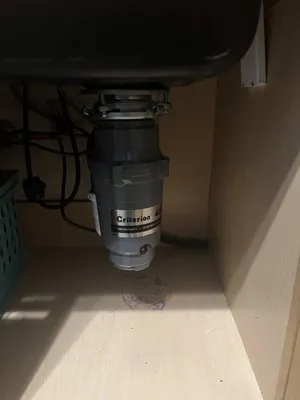
Garrels Company is a trusted, locally-owned service provider in Bettendorf, IA, serving the Quad Cities with dedication since 1991. Our team is led by a licensed plumber, electrician, certified founda...
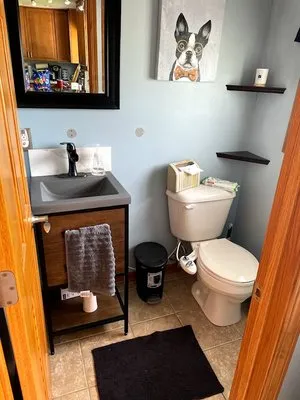
Faust Co is a licensed and bonded plumbing company serving Milwaukee, WI, with over 125 years of experience as a family-owned business since 1898. As the oldest union contractor in the area, they spec...

Heritage Plumbing is a family-owned and operated plumbing company serving South Milwaukee and the surrounding areas. We specialize in both residential and commercial plumbing services, offering repair...
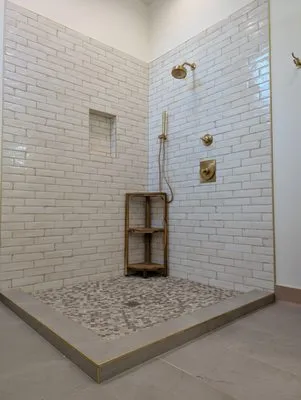
Optimal Plumbing is your trusted local plumbing specialist serving West Milwaukee, WI. We are a small, dedicated team focused on providing clear communication and reliable work for every job, from sim...
ABC Sewer & Drain Cleaning is a locally owned and operated Milwaukee plumbing company with over three decades of experience serving the community. We understand how disruptive a clogged drain or sewer...

Viking Plumbing
Viking Plumbing has been the trusted plumbing service for Oak Creek and the broader Milwaukee area since its founding in 2000. We are a local, licensed operation built on a Master Plumber's genuine pa...

Urban's Plumbing is a trusted, locally-owned plumbing service based in Waukesha and serving Lannon and surrounding communities. With over 25 years of experience, licensed owner Chris Urban leads a tea...

Axis Mechanical is a locally owned and operated plumbing service in Milwaukee, built on a foundation of local expertise and a commitment to reliable craftsmanship. Owner-operated by a licensed plumber...
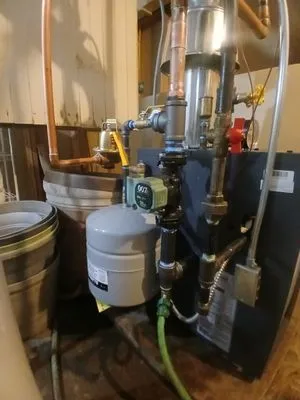
Barth Boiler is a family-owned and operated business serving Hales Corners, WI, with deep roots in boiler and HVAC services. Founded by a third-generation boilermaker with over a decade of specialized...
Feiner Plumbing Company has been a cornerstone of the Racine community since its founding in 1915. As a fifth-generation family-owned business, we've built our reputation on providing reliable and pro...
Estimated Plumbing Costs in Flagg, IL
Common Questions
Does hard well water damage my water heater and fixtures?
Yes, the mineral content in private well water around Flagg accelerates scale buildup. Inside your water heater, this sediment insulates the heating element, forcing it to work harder and fail sooner. On fixtures, scale clogs aerators and cartridge valves, reducing pressure and causing premature wear. An annual flush of the water heater tank can mitigate some of this damage.
Who handles permits for a water heater replacement or repiping in Ogle County?
Permits for plumbing work are filed with the Ogle County Planning and Zoning Department, and installations must meet Illinois Department of Public Health code. As a licensed master plumber, I pull those permits and schedule the required inspections. My credentials allow me to handle that red tape directly, so you don't have to navigate the process yourself.
What is a pinhole leak in copper, and why does it happen?
Pinhole leaks are tiny perforations caused by a process called pitting corrosion, common in copper pipes from this era. Over 58 years, the protective oxide layer inside the pipe breaks down in spots, especially where water velocity is high or where flux from the original 1968 solder joints remained. You'll often find them on horizontal runs or the top of pipes, appearing as a fine, persistent spray.
Could the flat land here cause drainage problems for my home's plumbing?
The plain terrain around the Flagg Township Museum offers minimal natural slope for drainage. This can lead to saturated soil around your foundation during heavy rains or rapid snowmelt. That constant hydrostatic pressure can stress and compromise the main sewer line exiting your home, leading to root intrusion or joint failure over time.
Why are my old copper pipes in Flagg suddenly failing?
Copper plumbing installed when homes were built here around 1968 is now about 58 years old. That lifespan is a common point for systemic wear. In Rochelle Residential District, you might notice a cluster of pinhole leaks or joints weeping under sinks. The metal has simply fatigued from decades of water flow and mineral interaction. This isn't a fluke—it's the predictable aging of the infrastructure.
Are there special plumbing considerations for a rural home with a well and septic?
Absolutely. Your entire water and waste system is self-contained. A failing pressure tank or well pump means no water at all, not just low pressure. On the septic side, what goes down your drain directly impacts the drain field's health. Avoiding garbage disposals and harsh chemicals is not just a suggestion—it's essential for preventing a costly system backup.
How fast can a plumber get to my house in Flagg in an emergency?
From the Flagg Township Museum, the dispatch route heads south to the I-39 on-ramp. That corridor provides the most direct access to most homes in the township. A typical response for a critical call, like a burst pipe, is 45 to 60 minutes from dispatch to arrival at your door, traffic permitting.
What's the most important spring plumbing maintenance for Flagg's climate?
Before the spring thaw hits its peak, disconnect and drain your garden hoses. A hose left connected traps water in the exterior bib, which can freeze during a late cold snap when lows still dip near 14°F. That ice then expands back into the pipe inside your wall, which often splits and leaks unnoticed until you need the water.
