Top Emergency Plumbers in Dunleith, IL, 61025 | Compare & Call

There are 61 plumbing companies server in Dunleith IL
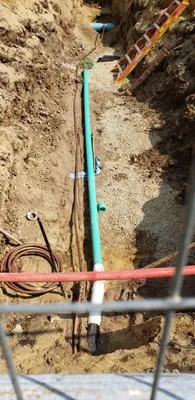
Founded in 2007 and established as an independent business in 2020, this Lawler-based plumbing service has grown from general plumbing work to master-level expertise. The company prioritizes thorough,...

Ragan Mechanical
Ragan Mechanical is a trusted plumbing, heating, and air conditioning contractor serving Davenport, IA, and the broader Quad Cities region since 1958. With decades of experience, they provide comprehe...
Eastern Iowa Pumping Inc. is a licensed, bonded, and insured pumping contractor based in Manchester, IA, serving a 300-mile radius from its home location. Established in 1996, the company specializes ...
Willenborg Plumbing & Heating
Willenborg Plumbing & Heating, Inc is a family-operated plumbing service based in Dubuque, IA, serving both residential and commercial properties in Dubuque and Peosta. We provide a comprehensive rang...
Mr. Rooter Plumbing of Dubuque is your trusted, locally-operated plumbing service for Dubuque and the surrounding communities. Rooted in the core values established in 1970, we bring over 50 years of ...
ServiceOne
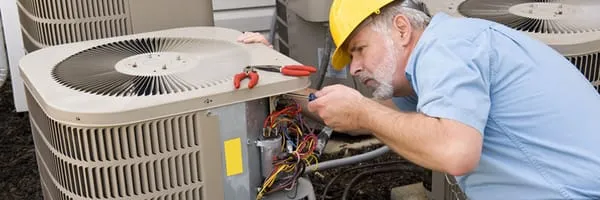
ServiceOne has been providing reliable home service solutions to Dubuque, Iowa, and the Omaha/Council Bluffs metro area for nearly three decades. As a full-service contractor, we handle HVAC systems, ...
Bradley Plumbing is a trusted, locally-owned plumbing service in Dubuque, IA, dedicated to keeping homes and businesses running smoothly. We specialize in comprehensive plumbing inspections that proac...
Blaser Plumbing
Since 1999, Blaser Plumbing has been the trusted local plumbing service for Dubuque and Asbury, IA. Whether you're dealing with a sudden leak, planning a bathroom remodel, or need routine maintenance,...
Precision Plumbing
Precision Plumbing is a family-owned, full-service plumbing company serving Dubuque, IA, and surrounding areas for over 30 years. We specialize in a wide range of plumbing services, including hot wate...
MIT Plumbing
MIT Plumbing has been a trusted local plumbing provider in Dubuque, IA, since 2002. As a state-licensed Master Plumber with over 20 years of industry experience, we offer reliable and affordable solut...
Estimated Plumbing Costs in Dunleith, IL
FAQs
As a rural homeowner, what unique plumbing systems should I maintain?
Focus on your private well and septic system. Well pumps and pressure tanks require periodic service, and the hard water can accelerate wear. For your septic system, regular pumping every 3-5 years is non-negotiable to prevent backups and drain field failure. Unlike a municipal system, you are solely responsible for the entire water cycle on your property.
How long does it take a plumber to get to a house in Dunleith?
A dispatch from our shop typically takes 45 to 60 minutes. Heading past the Mississippi River on US-20 is the main route into Dunleith and East Dubuque Heights. We factor in local traffic and the specific hill access to your property when giving an estimated arrival time for an emergency call.
What's one thing I should do before spring to avoid a plumbing disaster?
Before the spring thaw hits its peak, disconnect and drain your outdoor garden hoses. A hose bib that freezes and bursts inside the wall is a common and costly repair. For homes with exposed piping in crawl spaces, adding insulation now prevents condensation and slow drips that worsen with temperature swings between our 12-degree lows and warmer days.
Who pulls the permits for a plumbing job in East Dubuque Heights?
I handle all required permits and inspections with the East Dubuque Building Department. As a licensed Master Plumber, my work meets Illinois Department of Public Health codes. My crew manages the red tape and ensures the installation is documented correctly for your property records, so you don't have to navigate that process yourself.
Why are my 60-year-old copper pipes in Dunleith suddenly failing?
Copper plumbing installed around 1965 is now over 60 years old. In East Dubuque Heights, we're seeing widespread pitting and pinhole leaks in these lines. The metal has simply reached the end of its service life after decades of contact with our hard water. Re-piping sections, or the entire home, is becoming a common necessity to prevent catastrophic failures.
What's the most common plumbing repair for a house built in the 1960s here?
For 1960s copper systems, joint calcification and pinhole leaks are the primary failures. Scale buildup from decades of hard water weakens solder joints and corrodes pipe walls from the inside. We often find leaks first at elbow fittings and in hot water lines, where thermal expansion stresses the compromised metal.
Does Mississippi River water damage my water heater or faucets?
The mineral content in our river-sourced water causes significant scale buildup. Inside a water heater, this sediment insulates the heating element, reducing efficiency and causing premature failure. On fixtures, it clogs aerators and wears out cartridge valves. Installing a whole-house water softener is the most effective long-term protection for your plumbing hardware.
Could the hilly land in Dunleith be causing my sewer problems?
Yes, the slope of the terrain here places constant stress on your main sewer line. Gravity works harder on the pipes, and soil shifting on hillsides can lead to misaligned joints or cracks. Properties closer to the Mississippi River bluffs may also deal with groundwater infiltration during heavy rains, which can overwhelm an older drainage system.
