Top Emergency Plumbers in Douglas, IL, 62401 | Compare & Call

There are 162 plumbing companies server in Douglas IL
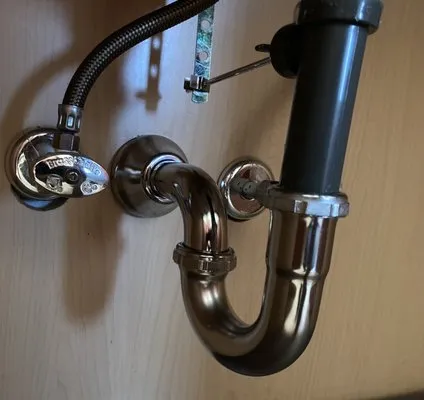
Scotty's Plumbing is a trusted local plumbing service in Chicago, IL, dedicated to helping homeowners tackle common plumbing emergencies and maintenance needs. We specialize in a comprehensive range o...
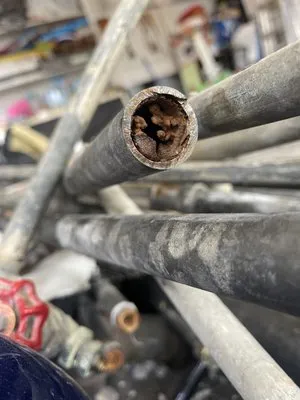
Zuniga's Plumbing is a trusted, full-service plumbing and heating company serving Chicago and its surrounding suburbs. With a deep-rooted history spanning over 50 years in the industry and a dedicated...
DiFoggio Plumbing has been serving Chicago's plumbing needs for over a century, building a reputation for reliable service across residential, commercial, and industrial projects. As a union-affiliate...
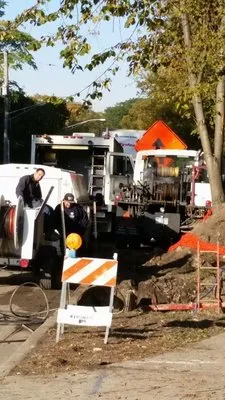
Rooter Flush has been Chicago's trusted plumbing partner since 2002. As a family-owned business, we understand the unique plumbing challenges our neighbors face, from winter's deep freeze to aging sew...
Charlie's Plumbing Heating Sewage Serv
Charlie's Plumbing Heating Sewage Serv is a family legacy of dependable service, proudly serving Chicago. Owner Charlie's passion for the trade runs deep, following in the footsteps of his grandfather...
Don The Handyman is a trusted Chicago-based service with over 20 years of experience in home repairs and maintenance. Specializing in a wide range of services including plumbing, electrical work, appl...
JMR Handyman Services is your trusted, local solution for home maintenance and repair across Chicago, IL. We specialize in a comprehensive range of services, from appliance installation and plumbing r...
All Star Plumbing & Sewer
All Star Plumbing & Sewer has been a trusted family-owned plumbing service in the Chicagoland area since 2008, with technicians bringing over 40 years of combined industry experience. We specialize in...
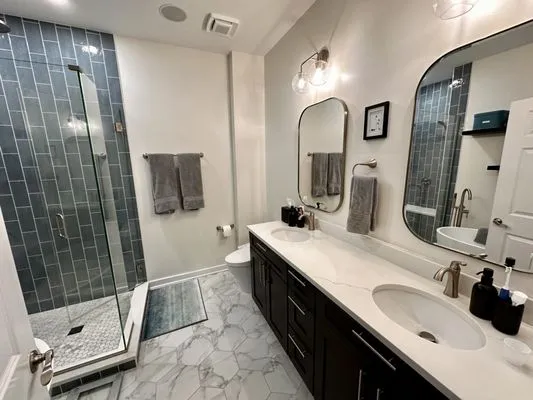
Inspiring Concepts in Chicago, IL is a licensed home remodeling company established in 2010, specializing in complete bath and home renovations, electrical, and plumbing services. We provide comprehen...
Ally Handyman is a licensed and insured full-service contractor based in Chicago's Pilsen neighborhood, offering reliable home repair and renovation services. With over 20 years of experience, they sp...
Estimated Plumbing Costs in Douglas, IL
Q&A
Why are so many homes in Douglas Township suddenly having plumbing problems?
Galvanized steel pipes installed around 1950 are now 76 years old. At this age, the zinc coating has completely worn away, exposing the underlying steel to constant water contact. Homeowners are seeing widespread pinhole leaks, reduced water pressure from internal rust buildup, and joint failures where threaded connections have corroded through. This isn't random bad luck—it's the predictable lifespan of this material in our area.
How does the flat land around Knox College affect drainage?
The plain terrain throughout Douglas Township creates minimal natural slope for water drainage. During heavy rains or snowmelt, water pools around foundations instead of flowing away, increasing hydrostatic pressure on basement walls and underground plumbing. Main sewer lines experience added stress from saturated soil that can shift pipe alignment. Proper grading away from your foundation and installing French drains helps protect your plumbing from these conditions.
What causes those tiny leaks in old pipes around here?
Galvanized steel pipes from the 1950s develop pinhole leaks when internal corrosion creates weak spots in the pipe walls. The steel rusts from the inside out, thinning the metal until water pressure creates small perforations. Joint calcification also occurs where mineral deposits from our hard water cement threaded connections, making them brittle and prone to cracking when disturbed during repairs.
Does having a private well affect my home's plumbing system?
Private wells in Douglas Township draw hard water with high mineral content that accelerates scale buildup throughout your plumbing. Water heaters accumulate sediment that reduces efficiency and can cause overheating. Fixtures develop mineral deposits that restrict flow and damage seals. Installing whole-house water softeners and regular anode rod replacement in water heaters are essential maintenance steps with well water.
Who handles permits for plumbing work in Knox County?
I manage all required permits through Knox County Building and Zoning and maintain Illinois Department of Public Health credentials for well and septic work. For Douglas Township projects, this includes pressure tests, sewer line inspections, and well system modifications. Handling this red tape ensures your project meets local codes without you navigating bureaucratic requirements. Proper documentation also protects your property value during future sales.
How quickly can a plumber reach my home in Douglas?
Heading past Knox College on I-74, I can typically reach most addresses in Douglas Township within 45-60 minutes. The route follows I-74 eastbound with minimal traffic interruptions, then connects to local roads through the township. For urgent calls, I maintain a stocked service truck to handle common emergencies without needing to return to a supply house first.
What should I do before spring thaw to avoid plumbing issues?
Before temperatures rise above freezing, disconnect garden hoses and shut off exterior faucets from inside your home. Insulate exposed pipes in crawl spaces and basements where 16-degree winter lows can cause residual freezing. Check for foundation cracks where melting snow might seep in and stress plumbing connections. Spring thaw increases groundwater pressure that can reveal weak spots in older pipes.
Are there special considerations for plumbing in rural Douglas?
Rural properties with private wells and septic systems require different maintenance than municipal water connections. Well pumps need periodic pressure tank checks and sediment filter changes. Septic systems demand careful water usage management to avoid overloading the drain field. Unlike city water with regulated pressure, well systems operate on pumps and pressure switches that need professional calibration to prevent pipe stress.
