Top Emergency Plumbers in Chatsworth, IL, 60921 | Compare & Call

There are 30 plumbing companies server in Chatsworth IL

Goodberlet Home Services
Since 1982, Goodberlet Home Services has been a trusted, family-run business in Kankakee, IL, providing reliable HVAC, plumbing, electrical, and general contracting services. We are a full-service com...
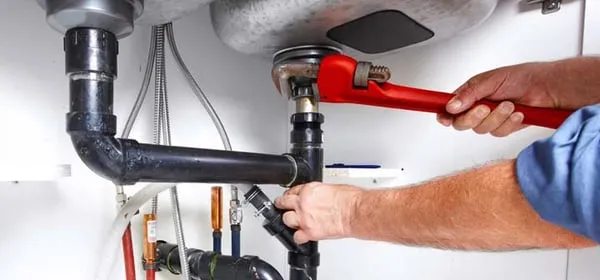
For over 35 years, B&D Plumbing and Sewer Service, Inc. has been a trusted, family-owned provider for New Lenox and surrounding Will, Cook, and DuPage counties. We specialize in a full spectrum of plu...
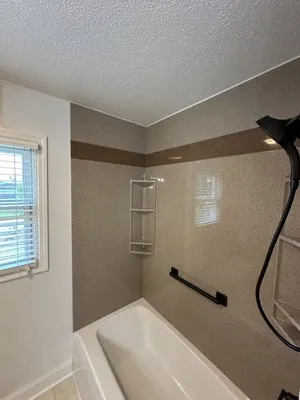
Vogelsang Plumbing is a third-generation, family-owned plumbing company proudly serving Gifford and the surrounding communities for over 70 years. Founded by Charles Vogelsang at Chanute Air Force Bas...
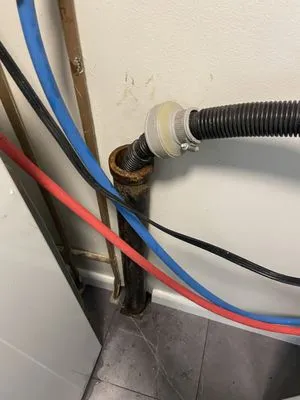
Elite Drain Cleaning began in 2012 as a part-time endeavor born from a founder's passion for tackling complex plumbing challenges. That hands-on dedication evolved into a full-time, year-round service...

For over 30 years, Handyman Plus has been the trusted local solution for homeowners and landlords in Champaign, IL. We manage, maintain, and construct projects of all sizes without the high overhead c...
May's Plumbing & Contracting
May's Plumbing & Contracting is your trusted local partner for plumbing and contracting needs in Bellflower, IL. Since 1998, we've built our reputation on reliable service for both residential and com...
Kunce's Sales & Service is a trusted plumbing resource for Milford, IL homeowners. Local winters bring the risk of frozen pipes, while kitchen activities can lead to stubborn grease clogs. Kunce's tea...
Express Home Repair Handymen Service
Since 2002, Express Home Repair Handyman Service has been the locally owned and operated choice for homeowners and property managers in Champaign, IL. Founded and operated by Richard, we are a full-se...
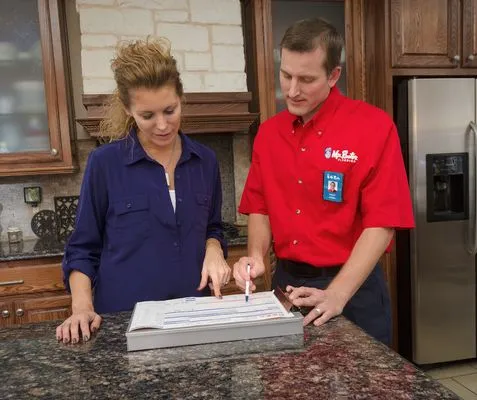
Mr. Rooter Plumbing of Ottawa-La Salle brings trusted plumbing expertise to Peru, IL, and surrounding communities. As part of the Mr. Rooter network with over 200 locations and 50+ years of industry e...

With over 20 years of plumbing experience, I started my career working alongside my dad at his company in Tucson, Arizona, progressing from helper to apprentice before earning my license. After moving...
Estimated Plumbing Costs in Chatsworth, IL
Question Answers
Are the old pipes in my Chatsworth home about to fail?
Homes built around 1959, especially in Downtown Chatsworth, have 67-year-old galvanized steel plumbing. At this age, internal rust and mineral scale have constricted the pipes, drastically reducing water pressure. It's common to see brownish water and hear banging noises when you turn on a faucet. The material is brittle now, and sections are nearing the end of their functional lifespan, often requiring full replacement.
How long does it take for a plumber to get to my house in Chatsworth?
Heading past Chatsworth Grain Elevator on US-24, we can reach most homes in the area within 45 to 60 minutes for an emergency call. The dispatch route uses US-24 as the main artery, then local roads. While we move quickly, the rural setting means travel time is a factor, so it helps to shut off your main water valve while you wait if you have a major leak.
Why do I keep getting pinhole leaks in my old pipes?
Galvanized steel from 1959 corrodes from the inside out. The zinc coating wears off over decades, exposing the raw steel to oxygen and minerals in your well water. This creates weak spots that eventually perforate, causing those sudden pinhole leaks. Joints are particularly vulnerable, as calcification and rust can cause them to split or pull apart, often behind walls or under floors.
What should I do with my plumbing before spring in Livingston County?
The spring thaw after our 16-degree lows is when underground pipes shift. A pro-tip is to check all exposed pipes in your crawlspace or basement for drips in late February. Also, ensure your exterior hose bibs are fully drained and shut off from inside the house. This prevents a split spigot from turning into a flood when the ground fully thaws and water pressure returns.
As a rural homeowner, what unique plumbing systems do I need to maintain?
Your private well and septic system operate independently from municipal utilities. The well's pressure tank and switch require periodic inspection, while the septic tank needs pumping every 3-5 years to prevent backups. Unlike a city connection, a failing pump or full septic tank is your direct responsibility. Keeping records of maintenance on both systems is essential for your home's value and function.
Who handles permits for a water heater or repipe in Chatsworth?
Livingston County Building and Zoning Department issues permits for major plumbing work, and the Illinois Department of Public Health has codes for well and septic modifications. As a licensed master plumber, I pull the required permits and schedule inspections. This ensures the work meets code for safety and resale, and it handles the red tape so you don't have to navigate the paperwork yourself.
Could the flat land near the Grain Elevator cause drainage issues for my home?
The plain terrain means water has little natural slope to run off. During heavy rain or rapid snowmelt, saturated soil around your foundation can put hydrostatic pressure on the basement floor and walls. This stress can shift your main sewer line, leading to bellies or cracks where debris collects. Proper grading away from the house and functional gutters are critical to manage this groundwater.
Does having a private well with hard water damage my plumbing?
Yes, the mineral-heavy water from private wells around Chatsworth accelerates scale buildup. Inside your water heater, this scale acts as an insulator, forcing the unit to work harder and fail sooner. On faucets and showerheads, it clogs aerators and reduces flow. Installing a whole-house water softener is a key defense to protect your appliances and extend the life of any new piping.
