Top Emergency Plumbers in Channel Lake, IL, 60002 | Compare & Call

There are 235 plumbing companies server in Channel Lake IL
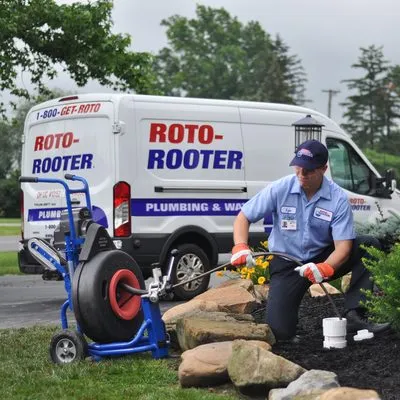
Roto-Rooter Plumbing & Water Cleanup
Roto-Rooter Plumbing & Water Cleanup is a trusted, locally-operated service in Kenosha, Wisconsin. We are fully staffed and ready to help our neighbors 24 hours a day, 7 days a week, with no extra cha...
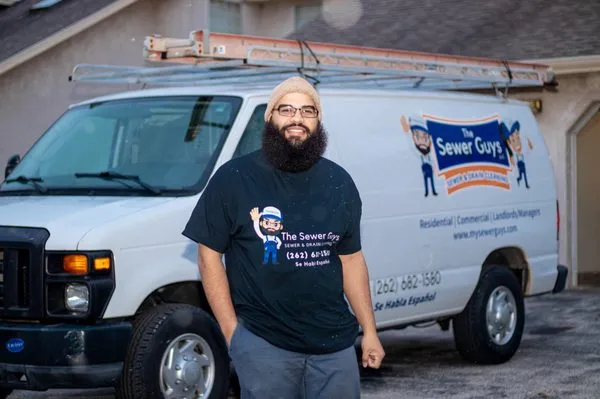
The Sewer Guys, LLC is a family-owned and operated sewer and drain cleaning company proudly serving clients in Kenosha, WI. As a local, family-run business, we understand the importance of reliable pl...

Riteway Heating, Cooling, & Plumbing Services
Riteway Heating, Cooling, & Plumbing Services is your trusted, family-run home comfort expert in Delavan and throughout Walworth County. Owned and operated by Jeff Papcke, a third-generation HVAC prof...
Bassett Plumbing
Bassett Plumbing is your trusted Twin Lakes plumber, dedicated to solving the common plumbing issues faced by local homeowners. We specialize in addressing pipe joint and old pipe leaks that can disru...
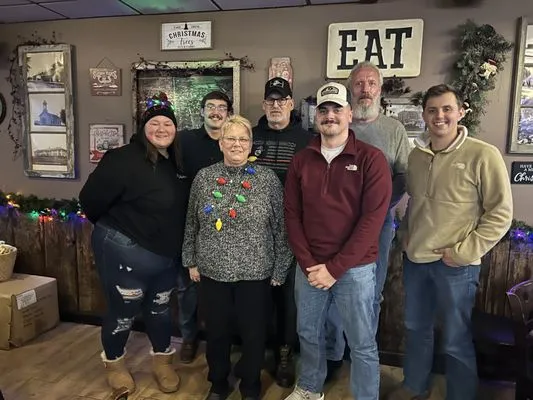
Kenosha Plumbing is a locally owned and operated plumbing company serving Kenosha, WI, with over 30 years of industry experience. Led by owner Katie, who transitioned from a banking career to complete...
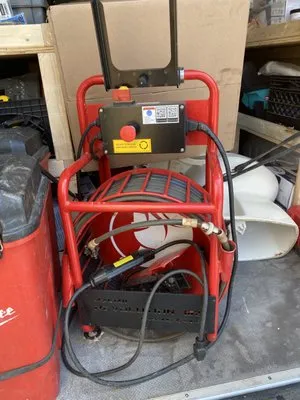
Wally Blanton Plumbing and Sewer
Wally Blanton Plumbing and Sewer is a trusted, licensed provider serving Kenosha, WI, and the wider Chicago-Land area. We offer comprehensive plumbing and sewer solutions for both homes and businesses...
Drains R Us is a trusted plumbing and drain service provider serving Racine, WI, and the surrounding Kenosha County area. We specialize in a comprehensive range of services including drain and sewer i...
Master Services
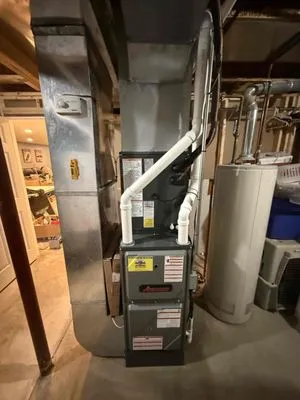
Master Services is a veteran-owned home services company that has been serving Lake Geneva, WI, and the surrounding area since 1990. We specialize in residential plumbing, heating, and cooling solutio...
Econo Sewer & Drain is a family-owned plumbing service proudly serving Kenosha, Racine, Zion, and the surrounding communities of Southeast Wisconsin and Northern Illinois. Established in 2010 and buil...
High Standard Plumbing is a trusted, full-service plumbing company serving Twin Lakes, WI, and the surrounding communities. We specialize in a comprehensive range of residential and commercial plumbin...
Estimated Plumbing Costs in Channel Lake, IL
Frequently Asked Questions
Do I need a permit to replace my water heater or repipe my house?
Yes, most major plumbing work in Antioch Township requires a permit from the local Building Department. This includes water heater replacements, repiping, and any new fixture installations. As a licensed Master Plumber, I handle pulling those permits and scheduling the required inspections with the Illinois Department of Public Health. My credentials ensure the work meets all current codes, so you don't have to navigate the red tape yourself.
Could my home's low elevation cause plumbing problems?
The low-lying terrain around Channel Lake and Chain O'Lakes State Park means the water table is often high. This saturated soil provides less stable support for underground waste lines and can lead to settling or shifting. That movement puts direct stress on the main sewer line connection at the foundation, a common point for cracks or joint separation that leads to slow drainage and potential basement backups during wet periods.
Why am I suddenly getting rusty water in my Channel Lake home?
Galvanized steel pipe installed around 1962 is now 64 years old. At this age, the internal zinc coating has completely degraded, exposing raw steel to constant water contact. Homeowners in Channel Lake Estates are now seeing widespread interior corrosion, which flakes off and causes that persistent rusty discoloration. This isn't a temporary issue; it's the final stage of the pipe's lifespan, indicating widespread failure throughout the system.
Does well water damage my water heater and fixtures?
Water from a private well here is typically hard, meaning it has high mineral content. Over time, these minerals form scale that coats the inside of pipes and, critically, builds up on water heater elements and inside faucet cartridges. This insulating scale reduces heater efficiency and can cause premature element burnout. For fixtures, it leads to reduced flow and eventual failure of moving parts, requiring more frequent service.
Are septic and well systems different to service than city utilities?
Working on rural systems like yours requires specific protocols. A clog in a home on a private septic field isn't just a drain cleanout; using improper equipment or chemicals can damage the delicate bacterial balance in the tank. Well pump service and pressure tank diagnostics are also standard parts of the job here. Understanding the entire system from the well cap to the drain field is necessary for effective, long-term repairs in this setting.
How fast can a plumber get to my house near the lake?
Heading past Chain O'Lakes State Park on US-12 is the main route into the area. From there, navigating the local roads to your specific address typically puts my arrival at 45 to 60 minutes after dispatch for most calls in the Channel Lake area. This accounts for the rural road network and allows me to arrive with the correct parts and equipment on the truck to start the job immediately.
What should I do to prepare my plumbing for spring?
The spring thaw following our 14-degree lows is a peak period for leaks. As the ground saturates, it shifts and can stress already weak pipe joints. A pro-tip for this climate is to know the location of your main water shut-off valve and ensure it operates smoothly before the thaw hits. If you have an older home, a pre-thaw inspection of exposed pipes in the crawlspace or basement can identify weak spots before they become emergencies.
What causes those small, persistent leaks in old galvanized pipe?
After 60-plus years, galvanized steel fails from the inside out. Scale buildup from hard water constricts flow and creates internal pressure points. Combined with corrosion, this leads to pinhole leaks, often at threaded joints or where pipes contact other materials. These leaks start small but worsen quickly as the surrounding metal is already compromised, requiring pipe section replacement rather than a simple patch.
