Top Emergency Plumbers in Central, IL, 62246 | Compare & Call

There are 240 plumbing companies server in Central IL
AAA Home Services
With over 50 years of dedicated service to the St. Louis region, AAA Home Services has been a trusted partner for homeowners in O Fallon and beyond since 1970. Our team of 30 licensed, highly trained ...
American HVAC
American HVAC is a family-owned and operated business serving Silex, MO, with over 30 years of local experience. Founded in 1982 by John Momphard, the company is now proudly carried on by his son, who...
Parker's Plumbing
Parker's Plumbing is a family-owned plumbing service in Pacific, MO, with over 7 years of experience serving the local community. Founded by a plumber who comes from a long line of plumbing profession...
Gary Motleys Cut Rate Plumbing is a trusted, locally-owned plumbing service dedicated to serving Bowling Green, MO, and the surrounding communities. We specialize in diagnosing and resolving the commo...
Clean Line Sewer Septic & Plumbing has been a trusted name in Danville and the surrounding area for over four decades, since 1982. We've built our reputation on providing quick, reliable service at af...
Patriot Plumbing is a trusted, locally-owned plumbing service in Monticello, IL, dedicated to keeping local homes safe and functional. We understand the common challenges Monticello homeowners face, s...
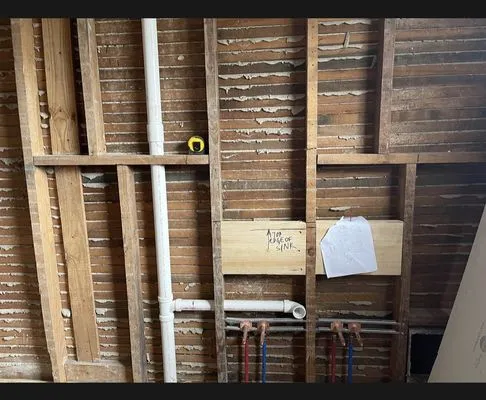
Next Level Plumbing is a trusted, locally-owned plumbing company serving Urbana and the greater Champaign County area. Founded in 2023, our team of licensed and insured professionals is dedicated to p...
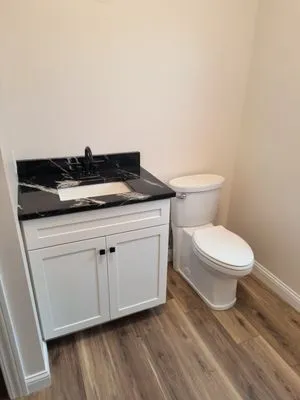
Justin Miller Plumbing is a trusted local plumbing service in Charleston, IL, offering comprehensive solutions for residential and commercial needs. With expertise in over 25 services including bathtu...

All Pro Heating AC Plumbing
All Pro Heating AC Plumbing, LLC, is a licensed and bonded, veteran & family-owned plumbing and HVAC contractor proudly serving Tuscola, IL, and surrounding communities including Hammond, Champaign, T...
D & M Plumbing Services is a trusted, locally-owned plumbing company serving Mattoon, IL, and the surrounding communities. We specialize in comprehensive plumbing solutions for new construction projec...
Estimated Plumbing Costs in Central, IL
Common Questions
Could the flat land around Central Community Park cause drainage issues for my home?
Plain terrain lacks natural slope for drainage, so water tends to pool. This saturated soil puts constant, uneven pressure on your main sewer line, which can lead to settling and bellied pipes. Over years, that low spot collects waste and causes repeated blockages. It's a frequent culprit for slow drains in basements or first-floor bathrooms here.
How fast can a plumber get to my house in Central?
My dispatch route heads past Central Community Park on I-57 to reach most of the county. A 45-60 minute response window accounts for that drive and gathering the specific parts for older homes. For an active leak, I keep common fittings for 1960s galvanized systems on the truck to save a trip to the supplier.
Do I need a permit to replace my water heater or repipe my house?
Most plumbing work in Marion County requires a permit from the Building and Zoning Department. As a licensed master plumber, I handle pulling those permits and scheduling inspections. This ensures the work meets current Illinois Plumbing Code standards, which is crucial for insurance and home value. My credentials with the Illinois Department of Public Health cover the well and septic aspects, so you don't have to navigate the red tape.
As a rural homeowner, what are the big plumbing system differences I should know?
You're managing a private well and septic system, not city water and sewer. Well pumps and pressure tanks have a finite lifespan and are sensitive to the sediment and hardness we have. Septic field health is paramount; avoid garbage disposals and chemical drain cleaners, as they disrupt the bacterial balance. Municipal codes don't apply, but Illinois Department of Public Health standards for well and septic do.
Does our hard water from the Kaskaskia River damage plumbing?
Yes, the mineral content from the river accelerates scale buildup inside pipes and appliances. In a water heater, this sediment layer acts as an insulator, forcing the unit to work harder and fail sooner. You'll see it on faucet aerators and showerheads as a white crust. This scale narrows pipe diameter over time, compounding flow issues from old galvanized lines.
My home's original galvanized pipes are from 1961. What should I expect at this age?
Galvanized steel installed in 1961 is now 65 years old. In the Central Historic District, this typically means severely restricted water flow from decades of internal rust and scale buildup. Homeowners often report a sudden increase in pinhole leaks, especially at threaded joints, as the pipe walls have thinned to their limit. This isn't a gradual problem anymore; it's the stage where systemic failure begins.
Why do my galvanized pipes keep springing leaks?
Galvanized pipe from that era fails predictably. The zinc coating has been gone for decades, leaving the bare steel to rust from the inside out. This creates pinhole leaks, but joint calcification is just as common. The rust scale expands, cracking the fittings at elbows and tees. Replacing a single section often just moves the stress to the next weakest point in the line.
What's one thing I should do before spring to prevent plumbing problems?
Before the spring thaw hits its peak, disconnect and drain your outdoor hoses. A hose bib that freezes and cracks during an 18-degree night can go unnoticed until you use it, causing water damage inside the wall. Insulating exposed pipes in crawl spaces is a good practice, but that bib is the most common failure point in our temperate climate.
