Top Emergency Plumbers in Cave, IL, 62890 | Compare & Call

There are 178 plumbing companies server in Cave IL
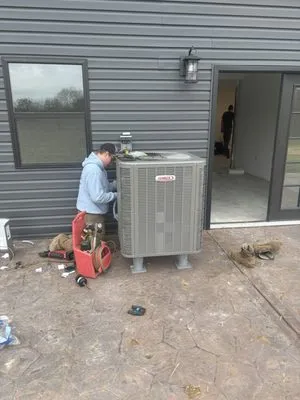
Prestige Plumbing & Air
Prestige Plumbing & Air is a trusted, full-service provider for residents and businesses in Cape Girardeau, Jackson, and the surrounding Southeast Missouri area. We offer free estimates on a comprehen...

Hacker Plumbing Heating & Cooling
For over four decades, Hacker Plumbing Heating & Cooling has been the trusted local name for plumbing and HVAC needs in Cape Girardeau and the surrounding area. Founded in 1976, the company is built o...
Shields Plumbing Service is your trusted local plumber in Chaffee, MO, dedicated to keeping your home's water systems running smoothly. We understand the common plumbing challenges faced by our commun...

Dutch Enterprises has been Jackson's trusted plumbing, heating, and air conditioning specialist since 1962. We provide reliable HVAC installations, repairs, and plumbing services for both homes and bu...
Steve's Plumbing Service LLC is a veteran-owned plumbing business serving Oak Ridge, MO, built on dedication, reliability, and value. Since 2022, we've been committed to providing service that exceeds...
SEMO Plumbing, Heating And Cooling
SEMO Plumbing, Heating And Cooling is a trusted local provider serving Fredericktown, MO, and surrounding areas. We specialize in comprehensive plumbing, heating, and cooling solutions for both reside...
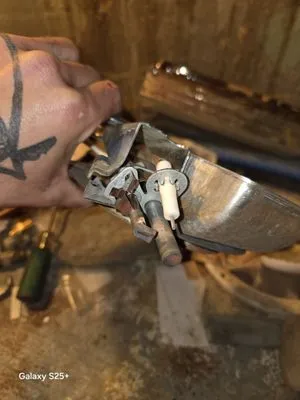
Atlas Home Care is your trusted local expert for home maintenance and repair in Dexter, Missouri. We provide a comprehensive range of services from plumbing and drywall to painting and installation, e...
For over four decades, Tim Newell Hvac & Plumbing has been a trusted name in Sikeston, MO, built on a foundation of family, experience, and a commitment to the community. Tim began his career working ...
Rick Leonard Heating, AC & Plumbing
Rick Leonard Heating, AC & Plumbing has been a trusted name in Sikeston, Missouri, since its official founding in 1993, building on family expertise that began in the early 1960s. After Rick's passing...

NJ Werner Plumbing Service is Sikeston's trusted local plumbing and HVAC expert. For years, our family-owned and operated team has helped homeowners tackle the common issues of pipe corrosion and wate...
Estimated Plumbing Costs in Cave, IL
Common Questions
Are septic and well system issues common for rural homes in Cave, IL?
In our rural setting, nearly every home operates on a private well and septic system. Well pumps and pressure tanks face constant wear from hard water minerals. Septic systems require mindful use; overloading them with excess water or non-biodegradable materials leads to drain field failure. Regular septic pumping every 3-5 years and well water testing are not optional; they're essential maintenance.
Why is my 60-year-old house in Cave-in-Rock Village having so many plumbing issues?
Houses built around 1965 are now using original galvanized steel pipe that is 61 years old. The interior of these pipes corrodes and mineral scale accumulates, severely restricting water flow. In Cave, homeowners commonly see a sudden, significant drop in water pressure at multiple fixtures. This isn't a single clog; it's the pipe's interior diameter closing up from decades of rust and hard water deposits, signaling a need for full line assessment.
Do I need a permit to replace my water heater or repipe my house in Hardin County?
Yes, most major plumbing work in Cave requires a permit from the Hardin County Building Department. As a licensed Master Plumber, I handle securing those permits and scheduling the required inspections. My work meets all Illinois Department of Public Health codes. You get the paperwork and compliance handled professionally, so you don't have to navigate the red tape yourself.
Could the hilly land around Cave-in-Rock State Park cause plumbing problems?
The hilly terrain directly stresses plumbing. A main sewer line running down a slope can experience increased pressure and joint separation. For drainage, water naturally follows the grade, which can lead to pooling against a home's foundation or overwhelming a septic system's drain field if it's not properly graded. Properly supporting pipe runs and managing surface water runoff are critical here.
What should I do to my pipes before a Southern Illinois spring thaw?
Our temperate climate sees average lows around 24°F, but the spring thaw is the real risk period. A key pro-tip is to disconnect and drain all outdoor hoses before winter and ensure exterior hose bibs are frost-free. As thawing begins, check for damp spots on walls or ceilings, which can indicate a freeze-induced split that only becomes active once the ice melts and water flows again.
Does Ohio River water damage my water heater or appliances?
Yes, the hard water common here, fed by the Ohio River basin, accelerates scale buildup. Inside your water heater, this mineral scale acts as an insulator, forcing the unit to work harder and shortening its lifespan. On fixtures and appliance valves, scale restricts flow and can cause premature failure. Installing a whole-house water softener is the most effective long-term protection for your plumbing hardware.
How long does it take a plumber to get to my home near the state park?
My typical dispatch route starts from Cave-in-Rock State Park. Heading north on State Route 1, I pass through the Village and into the surrounding rural areas of Cave. Most calls within a 10-mile radius take 60 to 90 minutes from the initial contact to my truck arriving at your property. I plan for this transit time when you call so we can give you an accurate service window.
What's causing these small, rusty leaks in my basement pipes?
Galvanized steel from the mid-60s fails in predictable ways. Pinhole leaks are common where internal corrosion finally eats through the pipe wall. Another frequent issue is joint failure; the threaded connections calcify and lose their seal as the pipe walls thin. You're not just fixing a leak; you're addressing systemic corrosion that likely affects the entire plumbing run.
