Top Emergency Plumbers in Bruce, IL, 61364 | Compare & Call

There are 240 plumbing companies server in Bruce IL

The Quick Fix Hero is your trusted, local handyman service in St. Peters, MO, founded on the belief that everyone deserves reliable help for everyday home repairs. We bridge the gap between DIY attemp...
Classic Aire Care
Classic Aire Care is a distinctive St. Louis service provider, formed by the consolidation of several well-known local HVAC and plumbing businesses like Ryan Heating and Donahue Heating. Operating und...
Chuck Can Do It is your trusted local handyman service in St. Louis, MO, specializing in appliance installation and repair, caulking, general installation, plumbing inspections, and comprehensive hand...
Advanced Plumbing Pros has been providing reliable plumbing services to Saint Louis residents and businesses for over 20 years. As a licensed plumbing service, we offer comprehensive solutions includi...

ABC Plumbing & Services is a family-owned and operated plumbing business serving Grubville, MO, and the surrounding region for over 20 years. As a fully licensed plumber in St. Louis City and County, ...
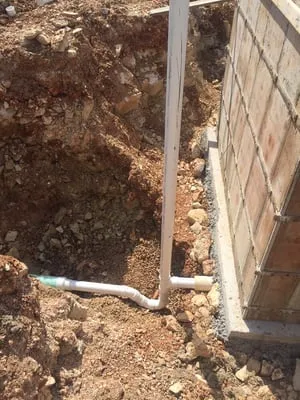
Above All Plumbing is your trusted local plumbing expert serving Hillsboro, MO, and the surrounding areas. We specialize in resolving the common plumbing challenges faced by homeowners, from stubborn ...
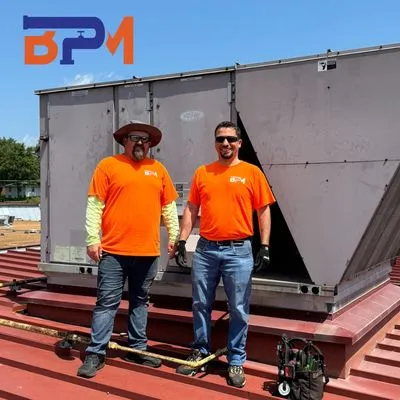
Bieg Plumbing & Mechanical
Bieg Plumbing & Mechanical has been a trusted name in St. Louis since 1960. Originally founded as Bieg Plumbing Company, we began with a simple mission to provide reliable plumbing services to our com...
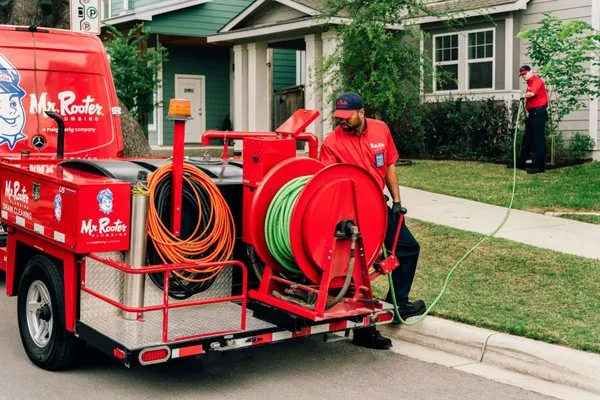
Mr. Rooter Plumbing of St. Louis, based in Fenton, MO, is owned by Tyler Watson, who brings years of contracting experience to serving local customers. Partnering with the established Mr. Rooter brand...
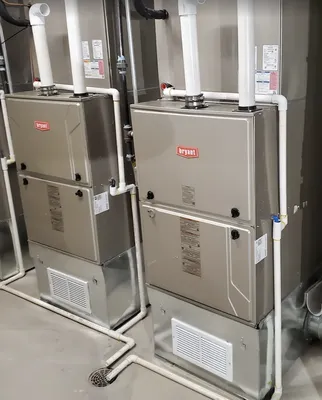
HB Mechanical is a trusted plumbing and HVAC service provider serving St. Louis, MO, with over 30 years of experience. We specialize in a wide range of services including bathtub, drain, faucet, garba...
KRK Plumbing Heating & Air Conditioning
KRK Plumbing Heating & Air Conditioning has been the trusted local plumbing and HVAC expert in Bonfield, IL, and surrounding Will and Iroquois counties since 1994. As a licensed and insured family-own...
Estimated Plumbing Costs in Bruce, IL
Question Answers
What's the most common plumbing repair for older homes in Bruce, IL?
For homes with original 1963 galvanized steel, joint calcification and pinhole leaks are the top repairs. Decades of mineral buildup from hard water cement the pipe threads and fittings, making them brittle. The pipe wall itself also corrodes thin, leading to small, spraying leaks that often appear first at fittings or in concealed spaces like basements.
Does the water from the Vermilion River cause problems for my plumbing fixtures?
Yes, the hard water common here leads to significant scale buildup. You’ll see it as white crust on showerheads, but inside the system, it coats water heater elements and narrows pipe diameters. This scaling reduces appliance efficiency and lifespan, often causing water heaters to fail prematurely and requiring fixtures to be cleaned or replaced more frequently.
I need to replace my water heater. Do I need a permit from LaSalle County?
Yes, water heater replacements in Bruce require a permit from the LaSalle County Building and Zoning Department. As a licensed Master Plumber, I pull all necessary permits and schedule the inspections. I also ensure the installation meets Illinois Department of Public Health codes for things like proper expansion tanks and seismic straps. I handle that red tape so you don’t have to.
If I have a plumbing emergency in Bruce, how long does it take for a plumber to get here?
My typical dispatch route starts from the Streator area. Heading past Streator City Park onto IL-170, it’s a straightforward 45 to 60-minute drive to most addresses in Bruce. I plan for that transit time so you get an accurate ETA when you call with an urgent issue like a burst pipe or a failed water heater.
Are there special plumbing concerns for a rural home in Bruce Township?
Rural setups here typically involve a private well and a septic system, which municipal plumbers don’t handle. My focus is on the home’s internal plumbing and the critical connection points—like the pressure tank, the main shut-off, and the water treatment equipment. Ensuring these components work correctly protects the rest of your home’s system from well pressure fluctuations or sediment.
My house in Bruce has old metal pipes. Should I be worried about them failing?
Homes here built around 1963 have 63-year-old galvanized steel plumbing. That lifespan is about when these pipes start to fail from the inside out. Bruce Township homeowners are now seeing a sharp increase in reduced water pressure, discolored water, and sudden leaks as the interior of the pipe rusts away and mineral scale breaks loose.
Could the flat land around here cause drainage or sewer problems for my home?
The relatively plain terrain, like the area around Streator City Park, can complicate drainage. Without a natural slope, stormwater and groundwater have less places to run off, which can saturate the soil. This puts constant external pressure on buried sewer mains and can lead to settlement or joint separation over time, especially in older clay tile lines common with these vintage homes.
What's one thing I should do before spring to avoid a plumbing disaster?
Before the spring thaw hits its peak, make sure any exposed water lines in unheated crawl spaces or along exterior walls are properly insulated. Our lows around 15°F mean those lines are at risk during cold snaps. A pro-tip for our temperate climate is to disconnect and drain outdoor hoses in the fall, and confirm your main shut-off valve works before the ground freezes.
