Top Emergency Plumbers in Brown, IL, 61843 | Compare & Call

There are 41 plumbing companies server in Brown IL
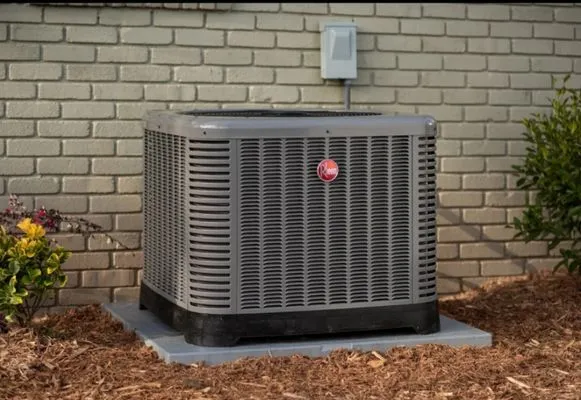
American HVAC
American HVAC is a family-owned and operated business serving Silex, MO, with over 30 years of local experience. Founded in 1982 by John Momphard, the company is now proudly carried on by his son, who...
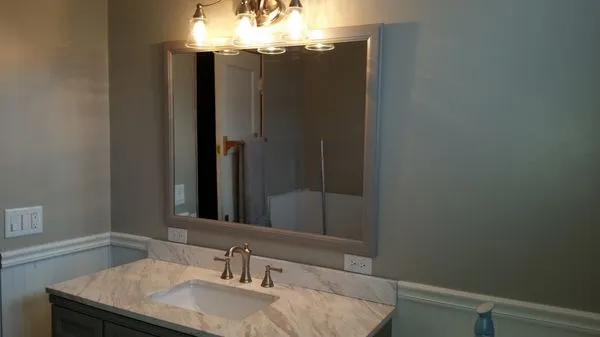
Freedom Home Repair is a family-owned and operated service proudly serving West Burlington and the surrounding region. Founded by a US Veteran with a lifelong passion for working with his hands and cr...
Freedom Home Repair is a licensed and insured, family-owned home repair service based in West Burlington, IA, founded by a U.S. Veteran with a passion for working with his hands, fixing things, and cr...
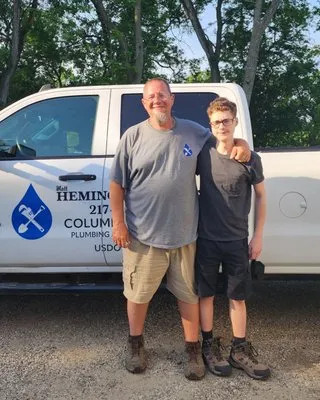
Matt Heming Plumbing brings four generations of plumbing expertise to Camp Point and the Quincy area. Owner Matt Heming started his career at age 16 working for his grandfather's plumbing business, th...
Steve Godfrey Plumbing is a trusted, locally-owned plumbing service based right here in Concord, IL. We specialize in comprehensive plumbing inspections and repairs, with particular expertise in addre...
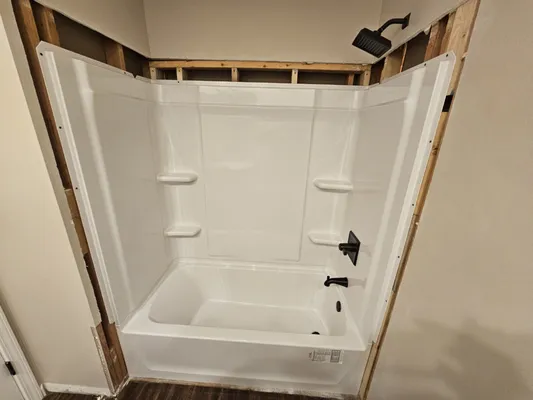
Hopper Plumbing LLC is your Quincy-based plumbing partner, founded on a commitment to our hometown. After building a successful plumbing business in Colorado, we returned home to bring over 20 years o...
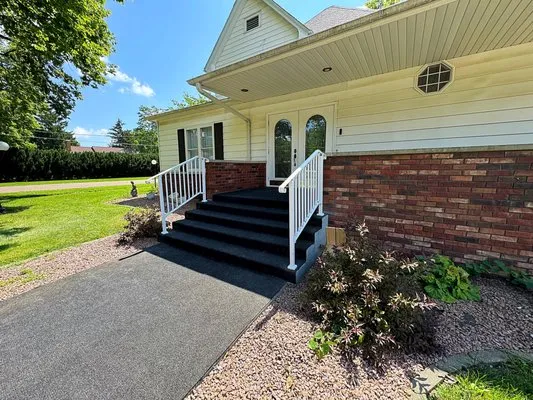
HammerTime Handyman LLC is your local Springfield expert, founded and operated by Brian, who brings over 18 years of hands-on experience to every job. Starting with personal projects at age 18 and pro...

Toland Inc. has been a trusted home services provider in Rushville since 1987, offering reliable HVAC, plumbing, and electrical solutions. As a licensed, bonded, and insured company, we specialize in ...
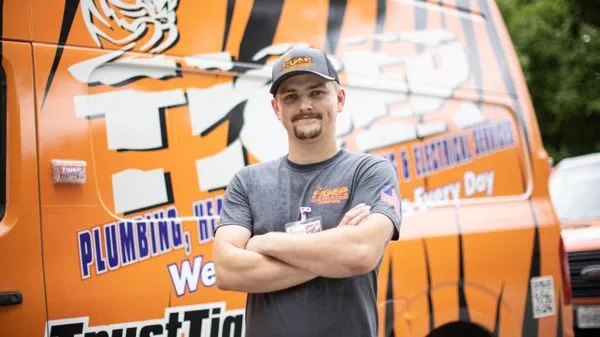
Tiger Plumbing, Heating, Air Conditioning, & Electrical Services
Tiger Plumbing, Heating, Air Conditioning, & Electrical Services is your trusted local provider for comprehensive home services in Springfield, IL. We specialize in plumbing, electrical, HVAC, and mor...
E.A. Wand Plumbing & Heating
E.A. Wand Plumbing & Heating is a trusted, locally-owned plumbing service dedicated to serving Quincy, IL, and the surrounding areas. Our team understands the specific challenges homeowners face in ou...
Estimated Plumbing Costs in Brown, IL
Questions and Answers
What should I do before spring thaw to prevent plumbing emergencies?
Insulate exposed pipes in crawl spaces and basements before temperatures drop to 18°F. Disconnect and drain outdoor hoses, then shut off exterior water valves. Keep cabinet doors open to allow warm air circulation around pipes during cold snaps. These steps prevent freeze damage that often manifests as leaks during the rapid temperature changes of spring thaw.
How quickly can a plumber reach my home in Brown?
Heading past Brown Community Park on State Route 1 provides the most direct route to most neighborhoods. From there, local roads connect to residential areas within minutes. Our typical response window is 45-60 minutes from dispatch, accounting for rural road conditions and distance variations across the township.
Why are so many homes in the Main Street District having plumbing problems lately?
Galvanized steel pipes installed around 1946 are now 80 years old. At this age, the zinc coating has completely eroded, exposing the underlying steel to corrosion. Homeowners are seeing persistent rust-colored water, reduced water pressure from mineral buildup inside pipes, and sudden leaks at threaded joints. This is the typical failure pattern for galvanized systems that have reached their maximum lifespan.
What causes those tiny leaks in old pipes that seem to appear out of nowhere?
Pinhole leaks develop in 80-year-old galvanized steel due to internal corrosion. As the pipe wall thins from decades of water contact, weak spots perforate, creating small but persistent leaks. These often appear first at joints where dissimilar metals meet or where pipe hangers cause stress points. Once pinholes start, adjacent areas typically follow as the corrosion accelerates.
Are there special considerations for plumbing in rural Brown compared to cities?
Private wells and septic systems require different maintenance than municipal water and sewer connections. Well pumps need periodic inspection for pressure and flow consistency, while septic systems require regular pumping to prevent backups. Water quality testing is essential since there's no municipal treatment, and pressure tanks should be checked for proper air charge to protect plumbing fixtures.
Does hard water from our well damage plumbing fixtures faster?
Hard water minerals accumulate inside water heaters and fixtures over time. Scale buildup reduces heating efficiency by insulating elements, increases energy costs, and shortens appliance lifespan. In fixtures, mineral deposits restrict water flow and degrade rubber seals and washers. Regular maintenance and water treatment can mitigate these effects on your home's plumbing hardware.
Who handles permits and regulations for plumbing work in Illinois?
I manage all Illinois Department of Public Health requirements for plumbing installations and repairs. This includes obtaining necessary permits, scheduling inspections, and ensuring code compliance for well and septic systems. Handling this administrative process prevents delays and ensures your project meets state standards without requiring your direct involvement with regulatory paperwork.
Could the flat land around Brown Community Park affect my home's drainage?
Plain terrain lacks natural slope for water runoff, which can lead to pooling around foundations during heavy rain. This puts constant hydrostatic pressure on your main sewer line and drainage systems. Over time, soil saturation around pipes may cause shifting or joint separation. Proper grading away from your foundation and regular drain maintenance help manage these terrain-related stresses.
