Top Emergency Plumbers in Breese, IL, 62230 | Compare & Call

There are 24 plumbing companies server in Breese IL

Edwards Plumbing & Septic is a trusted, local plumbing and septic service provider proudly serving Vandalia, IL, and the surrounding communities. We are a family-owned and operated business dedicated ...
Crafton Plumbing
Crafton Plumbing has been providing reliable plumbing services to Collinsville and surrounding Madison and St. Clair Counties since 1996. We specialize in both residential service and repair for exist...
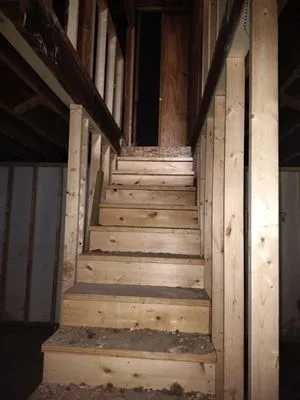
K&A House Call Pro Contractors
K&A HouseCall Pro Contractors is a Bethalto-based, licensed general contractor and handyman service founded in 2021. The business was born from a personal need to fix a dangerous floor in a family hom...
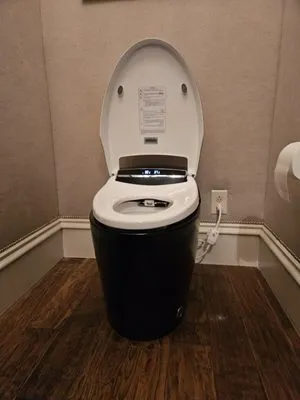
Tripps Plumbing is a trusted, veteran-owned plumbing service proudly serving New Baden and the surrounding communities. Licensed, bonded, and insured, we adhere strictly to the Illinois Plumbing Code,...
Hubert Plumbing & Heating Company is a trusted, locally-owned plumbing and heating service provider in Belleville, IL. For years, we have been helping homeowners tackle common local plumbing problems,...
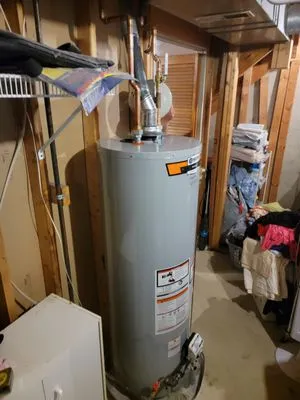
Stone Plumbing is a family-owned and operated business proudly serving Roxana and the broader Riverbend area. Founded by the Stone brothers, our team brings a combined 30 years of hands-on experience ...
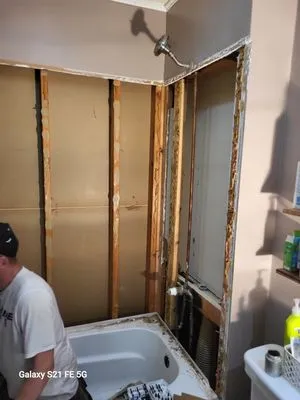
Affordable Painting & Handyman Services
Accurate Painting & Handyman Service is a family-owned business that has been serving Edwardsville, IL, and surrounding communities since 1993. With over 18 years of experience, we specialize in both ...
Performance Plumbing
Performance Plumbing is a family-owned and operated service based in Collinsville, IL, serving the Metro East area. We are a team of licensed and insured professionals dedicated to providing reliable ...
Since 1946, Essenpreis Plumbing has been a trusted name for plumbing services in Highland, IL. As a family-owned business, we build on generations of experience to serve our neighbors with reliable so...
Koehne Plumbing & Heating
Koehne Plumbing & Heating has been a trusted name in Caseyville, IL, and the surrounding Madison and St. Clair counties since 2013. As a licensed, bonded, and insured local contractor, we provide reli...
Estimated Plumbing Costs in Breese, IL
Questions and Answers
How fast can a plumber get to my house in an emergency?
Heading past Breese Northside Park on US Route 50 gives us a central artery to reach most parts of town. A 20 to 30 minute response is typical for urgent calls. We factor in local traffic patterns to dispatch the nearest truck, so providing your cross street helps us plot the fastest route.
What causes those tiny pinhole leaks in copper pipes?
Pinhole leaks in 47-year-old copper are often from internal corrosion called Type I pitting. Our hard, mineral-rich water accelerates this, creating weak spots that eventually perforate. The leaks frequently appear at joints or where pipes contact dissimilar metals, like old steel hangers, due to galvanic corrosion.
What permits are needed for a water heater replacement in Breese?
The Breese Building and Zoning Department requires a plumbing permit for water heater replacement to ensure proper pressure relief valve installation and gas or electrical connections. As a licensed master plumber, I handle pulling that permit and scheduling the required inspection. This manages the red tape for you and confirms the work meets all current Illinois plumbing code standards.
Is maintaining a private well or septic system different in a rural area like ours?
Yes, rural systems require specific upkeep. For wells, annual water testing for bacteria and nitrates is crucial, as the Illinois Department of Public Health recommends. Septic systems need pumping every 3-5 years, depending on household size. Never use garbage disposals heavily, as they overwhelm the septic tank with solids and accelerate the need for service.
My home was built in the late '70s like many here. Should I be worried about my plumbing?
Homes built around 1979, common in Breese City Center, have copper pipes that are now 47 years old. At this stage, copper can thin from decades of water flow, especially with our hard water. Homeowners often notice a sudden increase in pinhole leaks or a drop in water pressure. This isn't a sign of poor installation; it's the expected lifespan for copper in this environment.
Why does our hard water cause so many problems with appliances?
Water from the Kaskaskia River aquifer carries dissolved calcium and magnesium. As it heats in your water heater, these minerals solidify into scale that coats heating elements and tank interiors. This reduces efficiency, increases energy bills, and shortens the appliance's life. Fixtures like showerheads and faucet aerators also clog with this white buildup.
Could the flat land around here cause drainage issues for my plumbing?
The plain terrain around Breese, like near Northside Park, offers minimal natural slope for drainage. This can lead to standing water saturating the soil around your main sewer line. Over time, the constant pressure and shifting from wet soil can stress pipe joints, potentially causing a misalignment or a slow leak that invites root intrusion.
What should I do to get ready for the spring thaw?
Spring thaws here can push the overnight low to 21°F before a rapid daytime warm-up. This freeze-thaw cycle stresses pipes. Before the thaw peaks, check all exterior hose bibs to ensure they are fully drained and insulated. Inspect crawl spaces for drafts, as a cold snap during the thaw period is a common cause of burst pipes.
