Top Emergency Plumbers in Bowling, IL, 61264 | Compare & Call

There are 78 plumbing companies server in Bowling IL

Benjamin Franklin Plumbing in Marion, IA, is a trusted local plumbing service provider with years of experience serving the Waterloo area. We offer comprehensive plumbing solutions, from routine inspe...
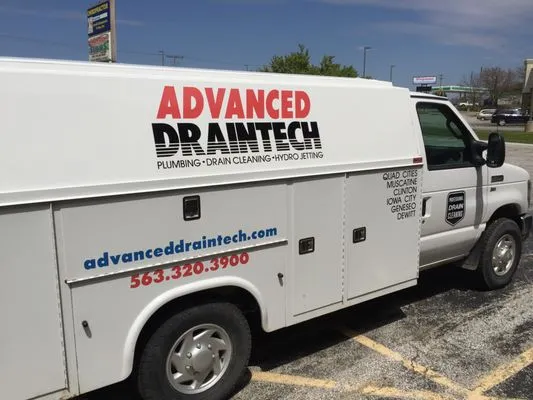
Advanced Draintech is Davenport's trusted partner for solving the area's persistent moisture and plumbing challenges. Located right in the Quad Cities, we specialize in diagnosing and repairing the sp...
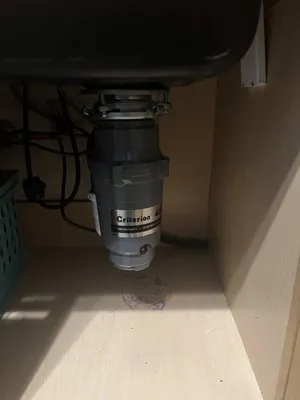
Garrels Company is a trusted, locally-owned service provider in Bettendorf, IA, serving the Quad Cities with dedication since 1991. Our team is led by a licensed plumber, electrician, certified founda...
Tappendorf Plumbing
Tappendorf Plumbing in Davenport, IA is a family-owned plumbing and HVAC service provider that has been serving the Quad Cities area since 1973. With decades of experience, they offer reliable solutio...
C. Ewert Plumbing & Heating
C. Ewert Plumbing & Heating has been a trusted family-owned plumbing service in Davenport, IA, and the greater Quad Cities area since 1954. With over 60 years of experience, we provide reliable plumbi...
Petersen Plumbing & Heating
Petersen Plumbing & Heating is a trusted, family-owned business serving Davenport and the Quad Cities since 1947. Founded by Howard Petersen and his brother George after Howard's service in WWII, the ...
Right On Time Plumbing Sewer & Drain Cleaning - Plumbing Repairs
Right On Time Plumbing Sewer & Drain Cleaning is a family-owned and operated business that has been serving the Quad Cities—including Davenport, Bettendorf, Rock Island, and Moline—since 2015. As a lo...
Scotty's Sewer and Drain Cleaning Services is a trusted, local plumbing resource for the Davenport community. We focus on making every service call, whether in your home or business, a straightforward...
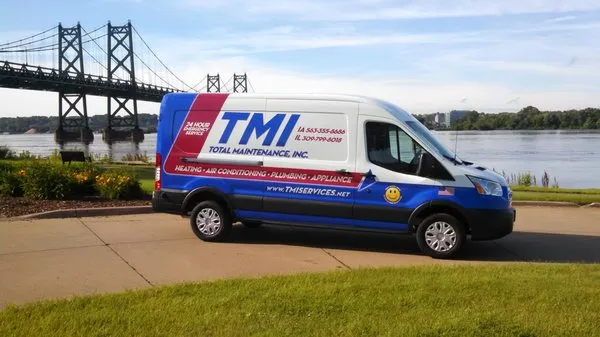
TMI - Total Maintenance
Since 1973, TMI - Total Maintenance has been a trusted, locally owned and operated resource for Bettendorf homes and businesses. We provide comprehensive heating, air conditioning, plumbing, and appli...
Lynch Heating & Plumbing
Lynch Heating & Plumbing has been a trusted provider of heating, cooling, and plumbing solutions for Davenport, Bettendorf, Rock Island, Moline, and surrounding communities since 2008. As a licensed, ...
Estimated Plumbing Costs in Bowling, IL
Frequently Asked Questions
My Bowling home was built in the late 70s. What kind of plumbing problems should I expect now?
Your copper plumbing is roughly 48 years old, which is a standard service life for that material. In Bowling Township, we're seeing this age manifest as pinhole leaks, typically in horizontal runs of pipe. The internal wall has thinned from decades of water flow and mineral interaction. It's a predictable failure point, not a sign of poor original installation, and often requires targeted repiping of affected sections.
How long does it take for a plumber to get to Bowling from the Quad Cities?
Dispatch from our shop near the Arsenal usually takes 45 to 60 minutes. The route involves heading past Rock Island Arsenal to catch I-80 west, then exiting for Bowling. We factor in local farm equipment and weather on the two-lane roads off the interstate, which is why we quote a window. You'll get a precise ETA when the truck is rolling.
Are septic system issues different for rural Bowling properties?
They are. Unlike a municipal sewer, a septic system's drain field performance is tightly linked to the soil's percolation rate. The clay-heavy soils common here can slow drainage, leading to backups. Well systems also introduce hard water directly, without municipal treatment, accelerating scale in appliances. Maintenance is proactive here—pumping the tank every 3-5 years and treating the well—not reactive.
Could the flat land around here cause drain problems?
The plain terrain around Rock Island Arsenal and Bowling Township lacks the natural slope for ideal drainage. This can put static pressure on your main sewer line, leading to slow drains as solids settle instead of being carried away. It also means during heavy rains, saturated ground can shift and stress older pipe joints. We often use a camera to check for sagging or bellies in the line.
Does Mississippi River water damage my water heater?
Yes, the hard water drawn from the river leads to significant scale buildup. Inside your water heater, this mineral scale acts as an insulator on the heating elements or gas burner, forcing the unit to work harder and shortening its lifespan. You'll notice reduced hot water capacity and higher energy bills. An annual flush and a powered anode rod are critical maintenance steps here.
What's the most important spring plumbing task for Bowling's weather?
Before the spring thaw hits its peak, disconnect and drain your garden hoses. A hose left connected traps water in the exterior bib, which can freeze during a 15-degree night and crack the pipe inside your wall. This simple, five-minute task prevents the most common freeze-related flood we see in this temperate climate once the ground thaws.
Who pulls permits for a repipe or water heater replacement in Rock Island County?
I handle all Rock Island County Building Department permits and ensure installations meet Illinois Department of Public Health code. For you, this means no trips to the county office or deciphering code books. I file the paperwork, schedule the inspections, and provide the final approval documentation for your records. My license is your credential for navigating that red tape.
Why are my copper pipes suddenly springing pinhole leaks?
Copper installed in 1978 is susceptible to pinhole leaks due to a process called type 2 pitting corrosion. Over nearly five decades, microscopic imperfections in the pipe's interior, combined with our specific water chemistry, create focused points of erosion that eventually penetrate the wall. This isn't a general clog; it's a material failure specific to the age and environment of the pipe.
