Top Emergency Plumbers in Blackhawk, IL, 61201 | Compare & Call

There are 238 plumbing companies server in Blackhawk IL
Colony Plumbing, Heating & Air Conditioning
Colony Plumbing, Heating & Air Conditioning has been serving Cedar Rapids and surrounding communities since 1973, starting as a small two-man shop in the Amana Colonies before settling in Cedar Rapids...
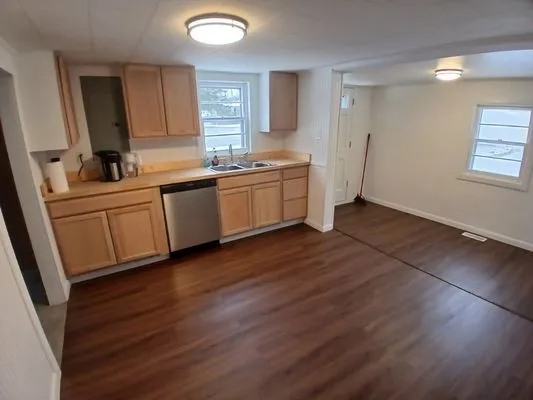
Ole Geezers Handyman Service
Ole Geezers Handyman Service is a Cedar Rapids-based business owned and operated by a US Army Veteran with over 25 years of experience in construction trades, civil engineering, and mechanics. While n...
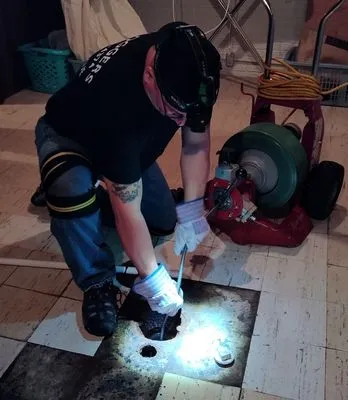
For over 47 years, Uncloggers To The Rescue has been the trusted local plumbing service for Cedar Rapids residents and businesses. We specialize in clearing stubborn sewer line and drain clogs, with a...
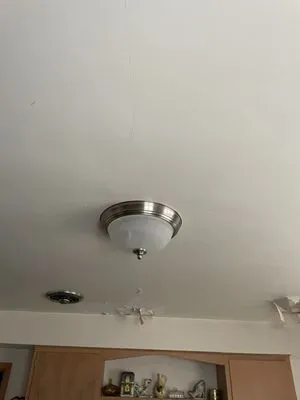
Complete Home Maintenance
Complete Home Maintenance, LLC is a second-generation family business serving Cedar Rapids, IA, with over 30 years of hands-on experience in home maintenance and construction. We provide comprehensive...
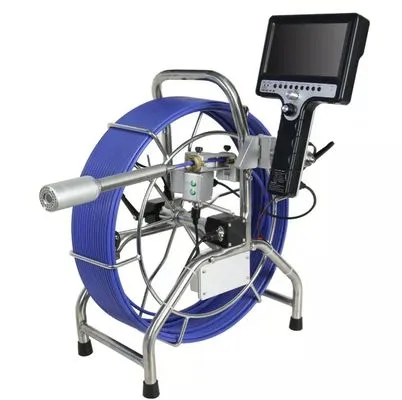
Phil’s Sewer and Drain Cleaning
Phil's Sewer and Drain Cleaning provides comprehensive plumbing and drain services for Amana and the surrounding area. With a combined 10 years of experience in the trades, I handle both residential a...

Cedar Rapids Plumbing, Heating & Cooling
Serving the Cedar Rapids community since 1953, Cedar Rapids Plumbing, Heating & Cooling is a locally owned and operated company with deep roots in Eastern Iowa. Founded as a family business, we have e...
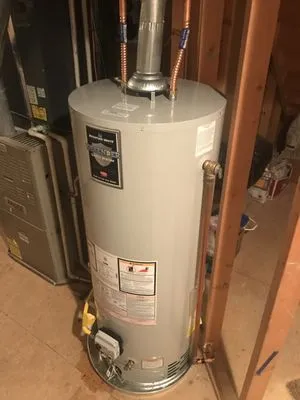
Jab plumbing
Jab Plumbing is a trusted, full-service plumbing company serving Cedar Rapids, IA, and the surrounding areas. We specialize in a comprehensive range of residential plumbing services, from routine repa...

Schwab Plumbing has been serving Vinton, IA, and the surrounding communities for over 7 years, specializing in both residential and small business plumbing needs. As a trusted local provider, we handl...
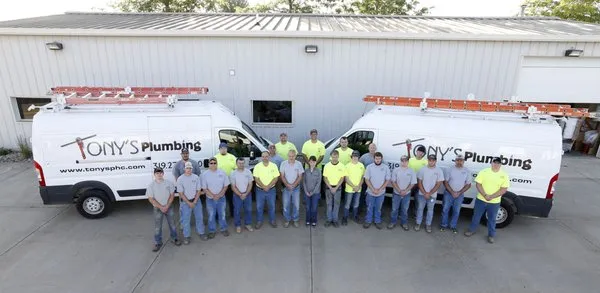
Tony's Plumbing & Heating
Tony's Plumbing & Heating has been serving Cedar Falls, Waterloo, and Waverly since 2010 with reliable plumbing and heating solutions. Our team of OSHA-trained and certified plumbers provides comprehe...
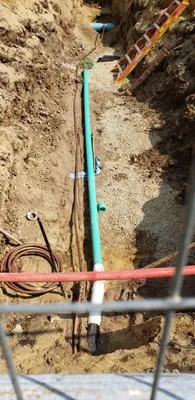
Founded in 2007 and established as an independent business in 2020, this Lawler-based plumbing service has grown from general plumbing work to master-level expertise. The company prioritizes thorough,...
Estimated Plumbing Costs in Blackhawk, IL
Question Answers
What's the most important thing to do for my plumbing before winter in the Snow Belt?
The critical pro-tip is to disconnect and drain your exterior hose bibs by late October. When temperatures hit that 15°F low, any water left in that pipe will freeze and crack the bib or the interior supply line. Also, ensure the insulation in your crawl space or basement rim joists is intact. The spring thaw brings its own issues, as ground shifting can stress underground lines, so it's a good time to check for any new drips or moisture.
My copper pipes are original to my 1970s Blackhawk home. Should I be worried about them?
Your copper plumbing is now over 50 years old. That's a typical lifespan for this material in our area. Homeowners in Blackhawk Estates are currently seeing the end-stage of this cycle: pinhole leaks from internal corrosion and joints that have become brittle from decades of mineral interaction. It's not a question of if, but when, these sections will need replacement, often starting with the hot water lines and fittings behind walls.
Could the flat land around here be causing my main sewer line to have issues?
The relatively plain terrain around Blackhawk State Historic Site means drainage is less aggressive. For your main sewer line, this can allow solids to settle and accumulate if there's even a slight belly or low spot in the pipe. Over time, this creates a recurring clog point. Furthermore, the stable, dense soil provides little give, so ground freezing during winter can put direct stress on buried pipes, potentially leading to cracks or joint separation.
How long does it take to get a plumber out to Blackhawk in an emergency?
From our dispatch, we plan for 45 to 60 minutes. The route involves heading past Blackhawk State Historic Site to access I-88, which is the main artery for a quick run into the area. Traffic on I-88 is generally reliable, but we factor in potential slowdowns near the river crossings. Once off the interstate, travel through the local roads is straightforward.
Does the Rock River water cause problems for my home's plumbing?
Yes, the mineral content from the river contributes to the very hard water we have. This leads to significant scale buildup inside pipes and appliances. Your water heater's heating elements become insulated by limescale, forcing it to work harder and fail sooner. Fixtures like showerheads and faucet aerators will clog frequently. Over years, this scaling also reduces water pressure and can trap corrosive elements against pipe walls.
What permits are needed for a water heater replacement in Rock Island County?
The Rock Island County Building Department requires a permit for a water heater replacement, as it involves gas, water, and pressure safety. As a licensed Master Plumber with Illinois Department of Public Health credentials, I pull that permit, schedule the required inspections, and ensure the installation meets all current code for venting, seismic strapping, and pan drainage. My crew handles that red tape so you don't have to navigate the county offices yourself.
Are there special plumbing concerns for a more rural area like Blackhawk?
Rural settings often mean private wells and septic systems, which require specific maintenance. Well pump pressure switches and tanks need regular checking. For septic systems, the key is preventing solids from reaching the drain field; avoid using garbage disposals heavily and have the tank pumped every 3-5 years. Also, without municipal water pressure, you rely on your well pump, so any sudden pressure loss is a primary symptom to investigate immediately.
Why are my copper pipes suddenly springing pinhole leaks?
Copper installed around 1975 has endured 50 years of our area's hard water. This causes a specific type of corrosion called Type I pitting, which creates tiny, concentrated holes. The problem accelerates with age as the protective oxide layer inside the pipe breaks down. You'll often find these leaks at solder joints or in horizontal runs where water and sediment sit, leading to that frustrating drip inside a wall or ceiling.
