Top Emergency Plumbers in Batavia, IL, 60134 | Compare & Call

There are 238 plumbing companies server in Batavia IL
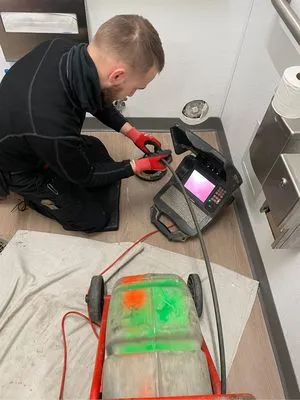
Rescue Plumbing
Rescue Plumbing has been a trusted, local plumbing service in Chicago since 2018. Founded by lifelong Chicagoland resident Benjamin Vance, our mission is rooted in integrity and building lasting relat...
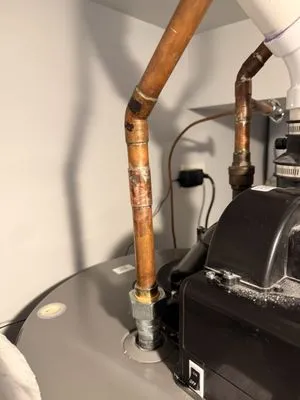
Mr. Rooter Plumbing - Morton Grove
Mr. Rooter Plumbing - Morton Grove is your local, trusted plumbing service in Morton Grove, IL. Founded in 1970 with a commitment to quality work and honest pricing, we bring decades of expertise to e...
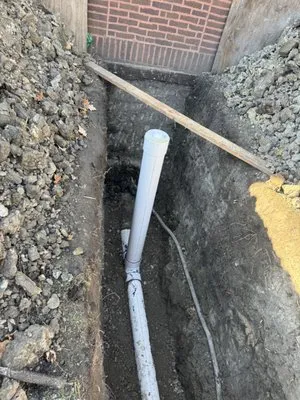
Midwest Hydro Jetting And Sewer Service is a Chicago Ridge plumbing company built on a foundation of local craftsmanship and customer-first service. Owner-operated from the start, our team is selected...

Sims & Sons Electric and Plumbing is a family-owned, licensed and bonded service company serving Chicago and its northern suburbs. Founded by Darrell Sims, who began working in electrical and plumbing...
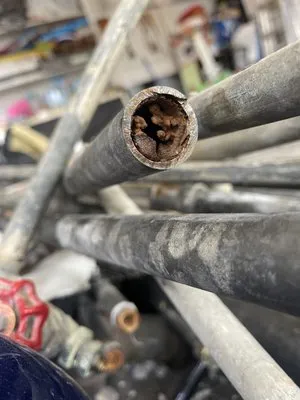
Zuniga's Plumbing is a trusted, full-service plumbing and heating company serving Chicago and its surrounding suburbs. With a deep-rooted history spanning over 50 years in the industry and a dedicated...

Chicago Sewer and Drain Professionals is a licensed plumbing service based in North Riverside, IL, dedicated to providing reliable and affordable sewer and drain solutions for homeowners throughout th...
DiFoggio Plumbing has been serving Chicago's plumbing needs for over a century, building a reputation for reliable service across residential, commercial, and industrial projects. As a union-affiliate...
Rescue Plumbing
Rescue Plumbing is a Chicago-based plumbing company founded in 2018 by lifelong Chicagoland resident Benjamin Vance. With a focus on integrity and customer-oriented service, we've built a trusted repu...

Preferred Professional Plumbing is a trusted, locally-owned plumbing service in Lombard, IL, with a team of certified professionals bringing over 30 years of combined experience to every job. We provi...
Goode Plumbing
Goode Plumbing has been serving Chicago residents and businesses since 2006, founded by Michael Goode who brings over three decades of plumbing experience to every job. Starting his career in 1993, Mi...
Estimated Plumbing Costs in Batavia, IL
Common Questions
My copper pipes are original to my 1985 Batavia house. What should I expect at this age?
Copper installed in 1985 is now 41 years old. We're seeing a predictable pattern in Downtown Batavia where the pipe walls thin from decades of water flow, making them susceptible to pinhole leaks, especially at soldered joints. These often start as a small damp spot on a basement ceiling or a faint stain on drywall. It's a wear-and-tear issue, not a defect, and proactive inspection of exposed piping can catch it before a rupture occurs.
What permits are needed for a water heater replacement in Batavia, and who handles it?
The Batavia Community Development Department requires a plumbing permit for a water heater replacement, which includes an inspection to ensure proper venting and pressure relief. As a licensed master plumber, I carry Illinois Department of Public Health credentials and handle all permit paperwork and scheduling. My role is to manage that red tape and ensure the installation meets all current code, so you don't have to navigate city hall yourself.
As a Batavia homeowner, what should I know about my connection to the city sewer?
You are responsible for the sewer lateral from your house to the main under the street. In our suburban setting, the most frequent issue is root intrusion at the joints of this older pipe. Municipal water pressure is generally consistent, but a sudden drop could indicate a breach in your service line. We recommend a video inspection of your lateral every few years to identify root growth or cracks before they cause a backup into your basement.
Why are my 1980s copper pipes suddenly springing pinhole leaks?
Copper pipes from that era are entering a failure window. A primary technical cause is erosion-corrosion, where water velocity and mineral content slowly wear the interior pipe wall. This creates a weak spot that eventually perforates. We also see joint calcification where old solder reacts with the hard water, creating a brittle seal. The fix often involves spot-repair with a dielectric union or a section replacement to prevent galvanic corrosion with newer metals.
What's one plumbing tip specific to Batavia winters and springs?
Before temperatures consistently hit 15°F, disconnect and drain your outdoor garden hoses. A frozen hose bib can burst the water line inside the wall, causing significant damage. During the spring thaw, check your basement for new moisture along the foundation, as ground saturation can shift pipes and reveal weak seals. This simple, seasonal habit prevents the most common cold-weather call we get.
My home near the Depot Museum has a flat yard. Could that cause drainage issues?
Plain terrain means water has nowhere to run off, so it percolates down. Over time, this saturated clay soil can put constant hydrostatic pressure on your main sewer line, leading to joint separation or bellies in the pipe. It also keeps the ground around your foundation damp, which accelerates corrosion on any buried copper or steel piping. Proper grading away from the house and functional downspout extensions are critical here.
Does Batavia's hard water from the Fox River damage my plumbing?
Yes, the mineral content that defines our hard water leads to scale buildup. Inside a water heater, this scale acts as an insulator on the heating elements, forcing the unit to work harder and shortening its lifespan. On faucet cartridges and shower valves, it causes stiffness and reduced flow. A whole-house water softener is the standard solution here, protecting appliances and preventing scale from restricting pipes over the long term.
How fast can a plumber get to my home during an emergency in Batavia?
From our central dispatch near the Batavia Depot Museum, we take I-88 east or west to reach most neighborhoods within the city limits. Heading past Batavia Depot Museum on I-88 provides direct arterial access. Barring exceptional traffic, a technician is typically on-site within 30 to 45 minutes of your call, with service vans stocked for common emergencies like valve failures or leak containment.
