Top Emergency Plumbers in Moreland, ID, 83221 | Compare & Call

There are 233 plumbing companies server in Moreland ID
Welcome to Holeshot Plumbing. Since 2004, our locally owned and operated team has been dedicated to providing Idaho Falls residents and businesses with reliable plumbing solutions. We draw on nearly t...
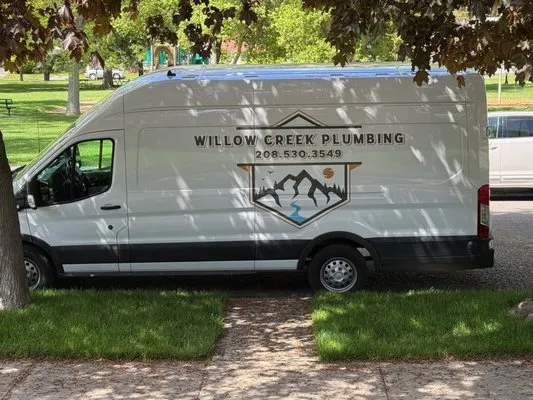
For over a decade, Willow Creek Plumbing has been the trusted, local solution for Idaho Falls residents. Our team of highly trained, licensed plumbers brings a depth of knowledge to every job, from si...
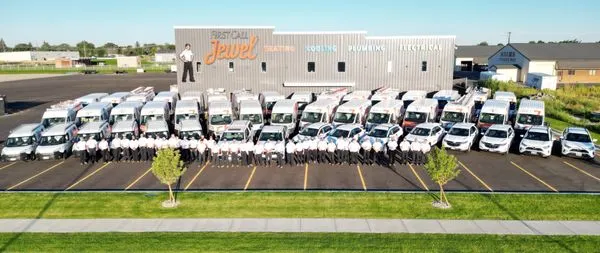
First Call Jewel
First Call Jewel is a trusted home service provider in Idaho Falls, offering comprehensive plumbing, electrical, and HVAC solutions. Established over 75 years ago, the company began as a small electri...
HandyMark Handyman Services is your trusted local expert for electrical, plumbing, and general home repairs in Iona, ID. We understand that Iona homeowners commonly face plumbing issues like persisten...

Allen's Plumbing is a trusted, local Idaho Falls business owned and operated by Allen Barlow. Born and raised right here, Allen has over 30 years of experience serving his neighbors with integrity. He...
Top Notch Heating and Plumbing
Top Notch Heating and Plumbing has served the Rigby community and surrounding Teton and Snake River Valleys for over 26 years. As a locally owned and operated business, we focus exclusively on residen...
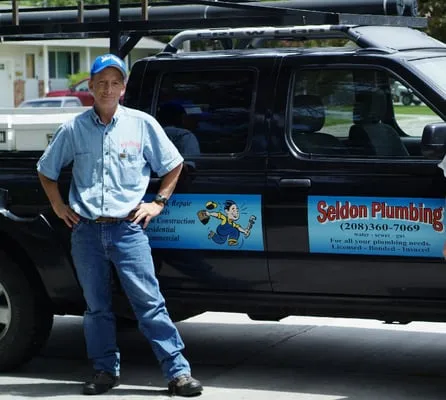
Seldon Plumbing is a trusted, family-owned plumbing service proudly serving Idaho Falls and Southeast Idaho. For over two decades, owner and operator Phil Seldon has built a reputation for reliability...

First Street Plumbing & Heating Center
First Street Plumbing & Heating Center has been a trusted fixture in Idaho Falls and Eastern Idaho since 1942. Our team of licensed journeyman plumbers provides comprehensive plumbing and heating serv...
Sewerman Plumbing is a trusted, local plumbing service proudly serving Idaho Falls and the surrounding communities. Our team of licensed professionals understands the common challenges homeowners face...
Prime Choice Plumbing has been a trusted plumbing service in Idaho Falls for over 18 years, providing reliable solutions for both residential and commercial properties throughout East Idaho. As a lice...
Estimated Plumbing Costs in Moreland, ID
Questions and Answers
Are septic systems different to maintain in rural Moreland?
Rural properties with private wells and septic systems require different maintenance than municipal connections. Septic tanks need pumping every 3-5 years depending on household size, and drain fields can fail if overloaded with water or chemicals. Well pumps and pressure tanks also need periodic inspection, as they work harder with our hard water conditions than municipal systems would.
How quickly can a plumber reach my home in Moreland?
Heading past Snake River Greenbelt on I-15, most dispatch routes from Moreland Town Center take 45-60 minutes depending on traffic and exact location. I plan routes that avoid peak congestion times when possible. The interstate provides reliable access to most neighborhoods, though rural properties off main roads may add travel time.
Why are my copper pipes failing now in Moreland?
Copper plumbing installed around 1974 is now 52 years old. In Moreland Town Center, homeowners are seeing pinhole leaks and joint failures as the pipes reach this lifespan. The original solder joints and pipe walls thin over decades of use. At this age, even minor water pressure fluctuations can cause failures that weren't apparent five years ago.
Does well water damage my water heater faster?
Hard water from private wells deposits mineral scale inside water heaters and fixtures. This buildup reduces efficiency by insulating heating elements and restricting water flow through valves. Over 5-10 years, scale accumulation can cut water heater lifespan by 30-40% while increasing energy costs. Regular maintenance and water softening help mitigate these effects.
Why does my basement drain slowly near Snake River Greenbelt?
The relatively plain terrain around Snake River Greenbelt creates minimal natural slope for drainage systems. This puts constant stress on main sewer lines as they must handle both household waste and any groundwater infiltration. Over decades, the soil settles unevenly, causing pipe joints to separate or develop low spots where debris accumulates and restricts flow.
Who handles permits for plumbing work in Bingham County?
I coordinate directly with Bingham County Building Department for all required permits and inspections. My Idaho Division of Occupational and Professional Licenses credentials ensure work meets state code requirements. This means homeowners don't need to navigate bureaucracy themselves—I handle the red tape so repairs proceed smoothly and remain documented for future property transactions.
What causes those tiny leaks in my copper pipes?
Pinhole leaks in 52-year-old copper pipes typically stem from corrosion where dissimilar metals meet or from scale buildup inside the pipe walls. The copper itself thins over time, especially at joints and elbows where water turbulence occurs. Without dielectric unions between copper and other metals, galvanic corrosion accelerates this process in our hard water conditions.
How do I prevent frozen pipes during Moreland winters?
With lows hitting 15°F and spring thaw creating pressure spikes, insulate exposed pipes in crawl spaces and attics before November. Keep cabinet doors open during cold snaps to allow warm air circulation. A pro-tip for our arid climate: maintain consistent indoor temperatures rather than turning heat down at night, as the dry air allows faster heat loss from pipes.
