Top Emergency Plumbers in Ketchum, ID, 83340 | Compare & Call

There are 13 plumbing companies server in Ketchum ID
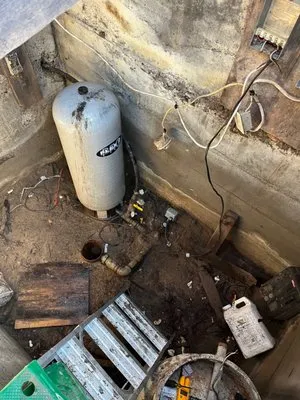
Advanced Pump & Repair is a trusted local plumbing and well service provider serving Wendell, ID, and the surrounding communities. We specialize in comprehensive plumbing inspections and professional ...
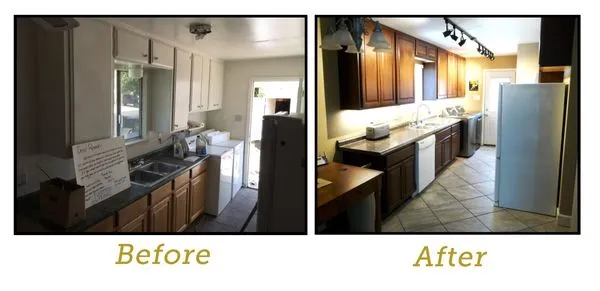
Preferred Home Services is a trusted home maintenance provider serving Shoshone, Idaho, with comprehensive solutions for electrical, plumbing, appliance, and general handyman needs. With over 50 years...

Walker Water Systems has been the trusted name for water well drilling and pump repair in Twin Falls and the surrounding Magic Valley since 1947. As a licensed well drilling contractor, our focus is o...
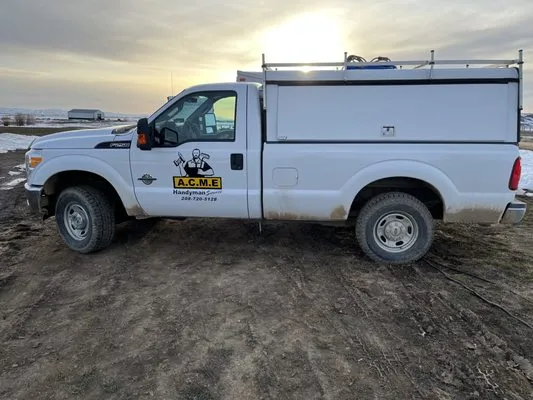
Raised in the hard-working, open spaces of a rural farming community, the owner of Acme Handyman Service brings over four decades of hands-on building experience to Fairfield. A passion for constructi...

Rootin Tootin Drain Cleaning Services is your local plumbing expert in Hansen, ID, specializing in comprehensive drain and plumbing solutions for both residential and commercial properties. We handle ...
Pump Service, Inc. has been a trusted provider of water well and pump solutions in the Magic Valley since 1978. We specialize in prompt, same-day service for residential and commercial customers, offe...
Sawtooth Plumbing & Heating
Sawtooth Plumbing & Heating has been a trusted name in Hailey for over 41 years, providing reliable plumbing and heating solutions for both residential and commercial properties. With a team of over 2...
Mountain West Plumbing has been a trusted plumbing and heating provider in Bellevue and the Wood River Valley since 1997. Founded by Jeremy, a long-time valley technician, the company is known for pro...
Wilro Plumbers is a trusted plumbing service provider in Ketchum, ID, with a strong and well-rounded team. With years of experience and dedicated staff, we deliver reliable plumbing solutions to our c...
Thomas Vern Plumbing & Heating is a trusted, locally-owned plumbing service in Ketchum, ID, dedicated to keeping homes and businesses running smoothly. We understand the common plumbing challenges in ...
Estimated Plumbing Costs in Ketchum, ID
FAQs
Does Big Wood River water damage plumbing fixtures?
Water from the Big Wood River carries minerals that create hard water conditions. This leads to scale buildup inside water heaters, reducing efficiency and shortening their lifespan. Fixtures like showerheads and faucets develop reduced flow from mineral accumulation. Installing a water softener or using vinegar treatments can mitigate these effects.
Are septic and well systems common in rural Ketchum areas?
Many rural properties around Ketchum rely on septic systems and private wells. Septic systems require regular pumping every 3-5 years to prevent backups. Well components like pressure tanks and pumps need periodic maintenance to ensure consistent water supply. Understanding your specific system helps avoid surprises during peak usage periods.
How quickly can a plumber reach my home near Sun Valley?
Heading past Sun Valley Resort on State Highway 75, most calls in the Ketchum area get a 45-60 minute response. The route along Highway 75 provides direct access to Warm Springs and surrounding neighborhoods. Traffic is generally light, though winter conditions can sometimes add a few minutes. We plan dispatch to minimize travel time for emergencies.
Who handles permits for plumbing work in Ketchum?
The City of Ketchum Planning and Building Department issues permits for plumbing modifications. As a licensed professional with the Idaho Division of Occupational and Professional Licenses, I manage permit applications and inspections. This ensures all work meets current codes without homeowners navigating bureaucratic processes. Proper documentation protects your property value and safety.
How does hilly terrain around Sun Valley affect my main water line?
Hilly slopes around Sun Valley Resort create soil movement that stresses main water lines. This can lead to joint separation or pipe cracking over time. Proper drainage away from the foundation is crucial to prevent erosion that exposes and damages pipes. Installing flexible connectors at stress points helps accommodate ground shifts.
Why are my 1980s copper pipes suddenly leaking?
Copper pipes from 1982 often develop pinhole leaks due to corrosion from hard water minerals and age-related wear. Joint calcification is another common issue where mineral deposits weaken solder connections. These failures typically appear after 40+ years of service. Replacing affected sections with modern materials can prevent recurring problems.
How long do copper pipes last in Warm Springs homes?
Copper pipes installed around 1982 are now 44 years old. In Warm Springs, homeowners are seeing pinhole leaks and joint calcification as the copper reaches the end of its typical 40-50 year lifespan. These failures often start in areas with hard water exposure or temperature fluctuations. Regular inspections can catch early signs before they become major leaks.
What should I do before spring thaw to prevent plumbing issues?
Before spring thaw, disconnect garden hoses and drain outdoor spigots to prevent freeze damage. Insulate exposed pipes in crawl spaces or basements, especially where temperatures drop to 10°F. Check for leaks in snow-melt areas around your foundation. These steps help avoid burst pipes when rapid temperature changes occur during thaw cycles.
