Top Emergency Plumbers in Franklin, ID, 83237 | Compare & Call

There are 239 plumbing companies server in Franklin ID

Welcome to Holeshot Plumbing. Since 2004, our locally owned and operated team has been dedicated to providing Idaho Falls residents and businesses with reliable plumbing solutions. We draw on nearly t...
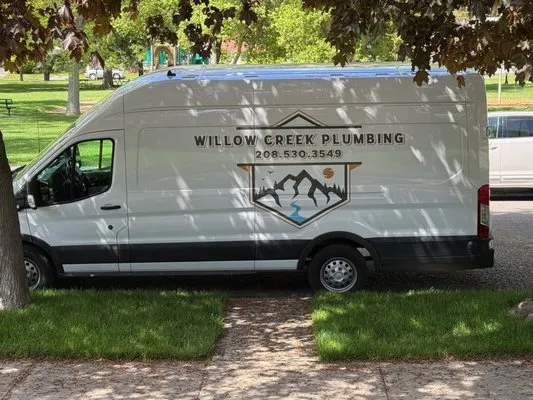
For over a decade, Willow Creek Plumbing has been the trusted, local solution for Idaho Falls residents. Our team of highly trained, licensed plumbers brings a depth of knowledge to every job, from si...
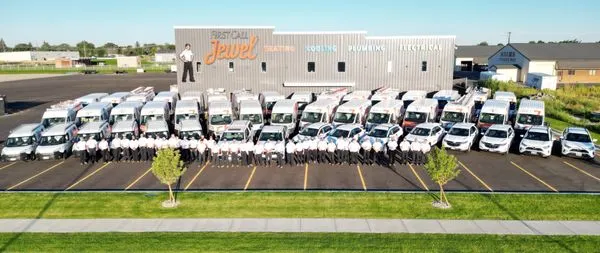
First Call Jewel
First Call Jewel is a trusted home service provider in Idaho Falls, offering comprehensive plumbing, electrical, and HVAC solutions. Established over 75 years ago, the company began as a small electri...
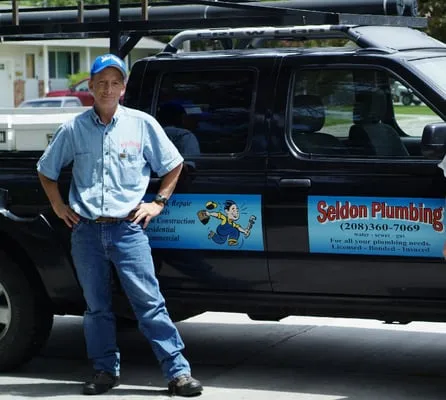
Seldon Plumbing is a trusted, family-owned plumbing service proudly serving Idaho Falls and Southeast Idaho. For over two decades, owner and operator Phil Seldon has built a reputation for reliability...
Criterion Plumbers
Criterion Plumbers is a licensed and insured plumbing company that has been serving Ammon, Idaho, and the surrounding communities since 2018. We specialize in a wide range of plumbing services, includ...
For over 35 years, Chaud Company Plumbing Services has been the trusted local name for plumbing in Pocatello and the surrounding areas. We operate on a simple principle: charge by the job, not by the ...
CFLO Plumbing is a trusted local plumbing service in Pocatello, ID, dedicated to keeping homes and businesses running smoothly. We specialize in a comprehensive range of plumbing solutions, from routi...

Just Water Heaters
Just Water Heaters is the trusted local provider for water heater and plumbing services in Idaho Falls, Idaho. We focus on offering reliable, American-made water heaters, supported by clear pricing an...

Water Heater Boys & Plumbing Services is Blackfoot's trusted solution for urgent and routine plumbing needs. We specialize in water heater services, drain cleaning, sewer repair, and full-service inst...

Giles Plumbing is a trusted, locally-owned plumbing service operating in Chubbuck, ID. We specialize in helping Chubbuck homeowners tackle common plumbing issues like old pipe corrosion and persistent...
Estimated Plumbing Costs in Franklin, ID
Questions and Answers
Does having a private well with hard water damage my water heater?
Yes, hard water from a private well significantly shortens appliance life. Minerals like calcium and magnesium precipitate out as scale, which coats heating elements and tank interiors. This scale acts as an insulator, forcing the heater to work harder and overheat, while also trapping corrosive elements against the metal. We recommend a water softener or periodic tank flushing to mitigate this damage.
What permits are needed for a water heater replacement in Franklin, and who handles that?
Franklin County Building Department typically requires a permit for a water heater replacement due to the fuel and pressure vessel codes involved. As a master plumber licensed by the Idaho Division of Occupational and Professional Licenses, I pull all necessary permits, schedule the required inspections, and ensure the installation meets all current codes. My credential means I handle the red tape so you do not have to navigate county offices yourself.
Could the hilly land around Franklin Relic Hall be causing my drainage problems?
Franklin's hilly terrain directly impacts drainage and sewer lines. The slope can put constant stress on the main sewer line exiting your home, leading to joint separation or pipe sagging over time. For properties downhill, surface runoff during spring thaw or heavy rain can overwhelm perimeter drains and saturate the soil around your foundation, increasing hydrostatic pressure. Proper grading and secure pipe bedding are essential here.
Why do my copper pipes keep springing pinhole leaks?
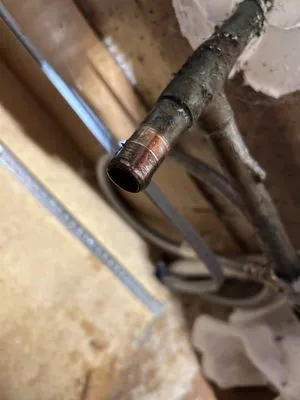
Copper pipe installed in 1974 is susceptible to a type of corrosion called pitting, which creates pinhole leaks. Over 52 years, the constant flow of hard, mineral-rich water from a private well accelerates this wear. The leaks often appear on horizontal runs or at soldered joints where turbulence and scale buildup create weak points. It is a systemic issue for homes of this vintage.
What's the most important thing to do to my plumbing before spring in Franklin?
The critical task is insulating any pipes in unheated crawl spaces or against exterior walls before temperatures drop to our 15-degree lows. Spring thaw does not typically cause freezing, but the freeze-thaw cycles of winter can. A pro-tip for our temperate climate is to also disconnect and drain garden hoses in the fall; a forgotten hose bib can freeze and crack, causing a major leak inside the wall when you turn it on in spring.
Are there special plumbing considerations for a rural home in Franklin County?
Rural plumbing revolves around your private well and septic system. Well pumps, pressure tanks, and water treatment equipment require specific maintenance that municipal homeowners do not face. Your septic field's performance is also tied to the hilly terrain and soil composition. It is a self-contained system, meaning a failure with the well pump or a clogged septic line results in a complete loss of service until repaired.
How quickly can a plumber get to my house in Franklin if I have a burst pipe?
From our shop, a typical dispatch route heads past the Franklin Relic Hall to access US-91, which connects most of the county. Under normal conditions, we plan for a 45 to 60 minute response window to reach you. That time accounts for rural road access and allows us to bring the correct parts on the first trip, avoiding a delay for a return visit.
Our house was built in the 70s near Franklin Center. Should I be worried about my plumbing?
Homes built around 1974 are now 52 years old, and copper pipe from that era is reaching a critical point. In Franklin, we are seeing a consistent pattern of failure in these systems. The copper is often worn thin from decades of internal water flow, especially with our hard well water, making pinhole leaks and joint failures common. It's a predictable lifecycle, not a random event.
