Top Emergency Plumbers in Council, ID, 83612 | Compare & Call

There are 114 plumbing companies server in Council ID
Growing up as a plumber's son, I've been in this business since I was a kid. Now, living in Adrian, OR with my family, I founded Stateline Plumbing & Drain to bring my lifelong skills to the community...

All West Plumbing has been the trusted local plumbing expert for Ontario and the greater Treasure Valley since 1980. For over four decades, our family-owned team has focused on providing fast, reliabl...
Leon's Pumps is a trusted plumbing service based in Ontario, OR, dedicated to protecting local homes from the region's specific plumbing challenges. We specialize in thorough plumbing inspections desi...
Standard Plumbing Supply serves homeowners and businesses throughout Ontario, OR, and the surrounding Treasure Valley. As a trusted local provider, we understand the common plumbing challenges in our ...
Davis Bruce Plumbing is a trusted local plumbing service in Ontario, OR, dedicated to helping homeowners tackle common plumbing challenges like old pipe leaks and broken shutoff valves. With years of ...
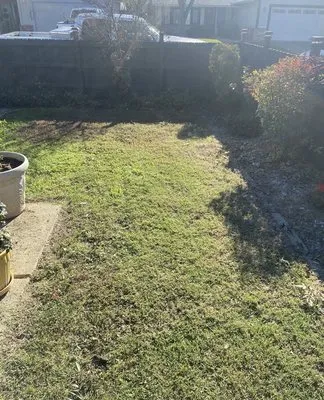
Richards Beards and Mowers landscaping
Richards Beards and Mowers is a trusted local landscaping and handyman service in Ontario, OR, dedicated to enhancing and maintaining your outdoor spaces. We specialize in comprehensive yard cleanup, ...
Percifield Plumbing is a trusted, locally-owned plumbing service proudly serving Ontario, Oregon, and the surrounding area. We understand the unique challenges local homeowners face, such as broken sh...
Intermountain Plumbing provides reliable plumbing inspection and repair services to Ontario and the surrounding areas. We specialize in diagnosing and fixing common local issues like pipe joint leaks ...
Advanced Maintenance Systems is a trusted, full-service contractor serving Ontario, OR, and the surrounding area. We specialize in carpentry, metal fabrication, and plumbing inspection services, provi...
Hartley Jay is a trusted plumbing service based in Ontario, OR, specializing in comprehensive plumbing inspections to address common local issues like faulty sump pumps and freeze-thaw pipe stress. Se...
Estimated Plumbing Costs in Council, ID
FAQs
How does Weiser River water affect my plumbing fixtures?
Water from the Weiser River contains minerals that create hard water conditions. This leads to scale buildup inside water heaters and on faucet aerators, reducing efficiency and flow. Over time, scale can cause premature failure of water heater elements and increased energy costs. Installing a water softener helps mitigate these effects.
Who handles permits for plumbing work in Adams County?
I coordinate directly with the Adams County Building Department for all required permits. My credentials with the Idaho Division of Occupational and Professional Licenses ensure work meets state standards. This approach handles the red tape so homeowners can focus on their daily routines. Proper documentation protects your investment and maintains compliance.
What should I do before spring thaw to prevent plumbing problems?
Before temperatures rise above freezing, insulate exposed pipes and disconnect garden hoses. Spring thaw can cause ground shifts that stress older plumbing connections. Check for leaks around foundations and crawl spaces as snow melts. This proactive approach helps avoid emergency calls during peak thaw periods.
What causes pinhole leaks in older copper pipes?
Copper pipes from the 1970s often develop pinhole leaks due to internal corrosion and scale buildup. The hard water in Council accelerates this process, thinning pipe walls over decades. These leaks typically start small but can lead to significant water damage if not addressed early.
Why are my copper pipes failing now in Council?
Copper plumbing installed around 1974 is now 52 years old. Homeowners in Council Core are seeing pinhole leaks and joint calcification as the pipes reach the end of their typical lifespan. This age-related wear is accelerated by our hard water conditions. Regular inspections can help identify weak spots before they become major issues.
Does Council's hilly terrain affect my home's drainage system?
Hilly slopes around Council Mountain create drainage challenges that can stress main sewer lines. Soil erosion on inclines may expose or damage underground pipes. Proper grading around your foundation helps direct water away from plumbing infrastructure. We assess terrain-specific risks during service calls to prevent future issues.
How quickly can a plumber reach my home in Council?
Heading past Council Mountain on US-95, our dispatch route covers most of Council within 60-90 minutes. We prioritize emergencies and coordinate with local traffic patterns. This timing ensures we can address urgent issues like burst pipes or water heater failures promptly.
What plumbing concerns are unique to rural homes in Council?
Rural properties often rely on wells and septic systems that require specialized maintenance. Well pumps need regular checks for pressure consistency, while septic tanks should be inspected every 3-5 years. These systems face different pressures than municipal connections. Understanding your specific setup helps prevent costly surprises.
