Top Emergency Plumbers in Cascade, ID, 83611 | Compare & Call

There are 10 plumbing companies server in Cascade ID
Sawtooth Underground is an Idaho native-owned and operated plumbing and septic service provider based in Boise. We specialize in providing transparent, cost-effective solutions for underground plumbin...
No Limit Plumbing is a family-owned and operated business proudly serving Meridian, ID. For nearly two decades, we've built a reputation on reliable service, expert knowledge, and a commitment to cust...
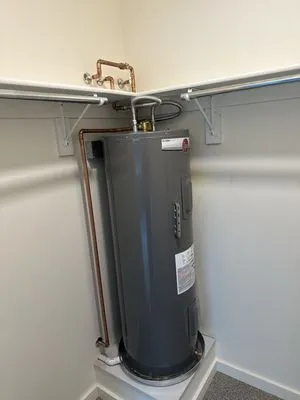
A-V Emergency Plumbing Repair
A-V Emergency Plumbing Repair has been the trusted local plumber for Caldwell, ID, and the surrounding Treasure Valley since 2015. With over a decade of hands-on experience, owner [Your Name] and the ...
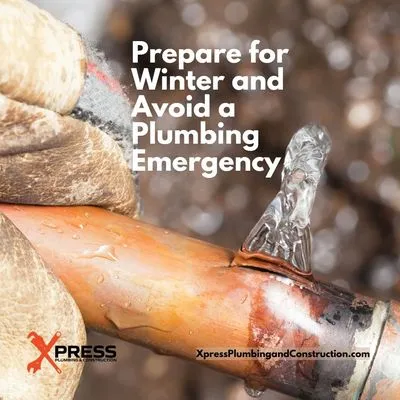
Xpress Plumbing and Construction
Xpress Plumbing and Construction is a trusted local partner for plumbing and construction needs in Meridian, Idaho, and beyond. We build our business on relationships, integrity, and clear communicati...
Master Plumbing
Master Plumbing in Meridian is a third-generation, family-owned business with roots tracing back to 1948. Founded on the principles of ethical service and flat-rate pricing established by Clyde Rackha...

Flow Right Plumbing
Flow Right Plumbing is a family-owned and operated local business proudly serving Emmett and the broader Treasure Valley since 2007. As a licensed, bonded, and insured company, we provide reliable plu...

Gem State Mechanical, Inc. is a trusted plumbing and mechanical piping contractor serving the Nampa, Idaho community. We specialize in a full spectrum of residential, commercial, and industrial piping...
RSP Plumbing and Drain Cleaning is a licensed, professional plumbing service based in Caldwell, ID, serving Canyon County. We specialize in comprehensive plumbing solutions, from emergency drain clean...
Treasure Valley Plumbing & Drain Service
Since 1985, Treasure Valley Plumbing & Drain Service has been the trusted, family-owned plumbing and drain cleaning specialist for Fruitland and the surrounding Payette area. We provide reliable solut...
Watersong Plumbing is a trusted, locally-owned plumbing service that has been reliably serving Cascade and the surrounding area since 2005. With over 24 years of combined experience, our licensed team...
Estimated Plumbing Costs in Cascade, ID
Common Questions
Do I need a permit to replace my water heater in Valley County?
Yes, Valley County Building Department requires permits for water heater replacements to ensure proper venting and pressure relief safety. As a Master Plumber licensed by the Idaho Division of Occupational and Professional Licenses, I pull those permits, schedule the inspections, and handle the red tape so you don't have to. It keeps the installation compliant and documented for your home's records.
Why do I keep getting pinhole leaks in my basement pipes?
Galvanized steel from the 1960s loses its protective zinc coating internally over six decades. Once that happens, the bare steel is exposed to oxygen and minerals in our water, leading to accelerated corrosion. Pinhole leaks typically start at threaded joints or where the pipe wall is thinnest, a direct result of that age-related corrosion you can't see from the outside.
My Cascade home's water pressure is dropping, is it the pipes?
Your galvanized steel pipes are 63 years old now, installed around 1963. In Downtown Cascade, that specific age means the interior walls have built up decades of mineral scale and rust, narrowing the pipe's diameter to a fraction of its original size. Homeowners here commonly see a steady, significant drop in pressure and flow at multiple fixtures, not just one. This isn't a simple clog; it's the final stage of the pipe's service life.
What's the most important thing to do before winter to prevent frozen pipes?
Before temperatures hit that 12-degree low, disconnect and drain all outdoor hoses. For homes on piers or with crawl spaces, insulating exposed pipes is critical, but the real pro-tip is to know where your main water shutoff is. If you're leaving during a cold snap, consider setting a faucet to a slow drip; moving water is much harder to freeze. Spring thaw brings its own pressure surges, so check for leaks then.
Does Lake Cascade water damage water heaters?
Water from Lake Cascade is hard, meaning it carries a high mineral content. Those minerals, primarily calcium and magnesium, precipitate out as scale when heated. Inside your water heater, this scale coats the heating elements or gas burner chamber, forcing the unit to work harder, run less efficiently, and fail years earlier than it should. You'll see similar crusty buildup on showerheads and faucet aerators.
Are septic system issues common for homes around Cascade?
Given the rural setting, many homes operate on private septic systems and wells. Septic systems require regular pumping every 3-5 years, and the hard water can accelerate scale buildup in well components like the pressure tank. Unlike a municipal system, you're responsible for the entire line from the house to the septic tank or wellhead, so knowing the location and condition of those components is essential.
Could my home's hillside location cause plumbing problems?
The hilly terrain around Lake Cascade puts constant, uneven stress on your main water service line and sewer lateral. Soil shifts with freeze-thaw cycles, which can cause pipes to settle or pull apart at joints. For drainage, if your home is cut into a slope, surface water runoff during spring thaw or heavy rain can overwhelm perimeter drains and threaten your foundation, leading to wet basements and sump pump failures.
How long does it take for a plumber to get to Cascade in an emergency?
From our shop, we head past Lake Cascade on State Highway 55. That main artery gets us moving quickly, but depending on the exact location off the highway and seasonal road conditions, you're looking at a 60 to 90 minute dispatch window for a true emergency call. We plan our routes to minimize that time, but honest communication about arrival is part of the job.
