Top Emergency Plumbers in Tama, IA, 52339 | Compare & Call

There are 14 plumbing companies server in Tama IA
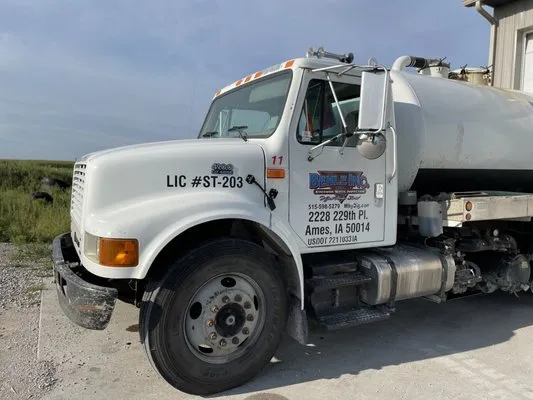
Behle, Inc. is a licensed and bonded plumbing service provider based in Ames, IA, offering a comprehensive range of services for residential, commercial, and industrial clients. We specialize in both ...
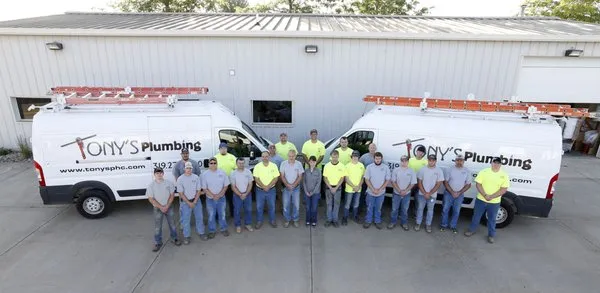
Tony's Plumbing & Heating
Tony's Plumbing & Heating has been serving Cedar Falls, Waterloo, and Waverly since 2010 with reliable plumbing and heating solutions. Our team of OSHA-trained and certified plumbers provides comprehe...
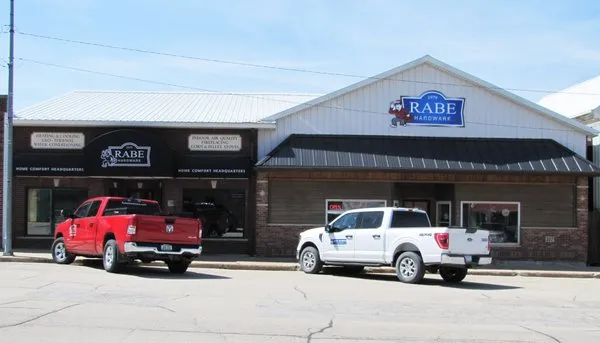
Rabe Hardware
Rabe Hardware has been serving Eastern Iowa since 1979 as a family-owned, full-service mechanical contractor. Based in Blairstown with a second location in Vinton, we specialize in solar, geothermal, ...
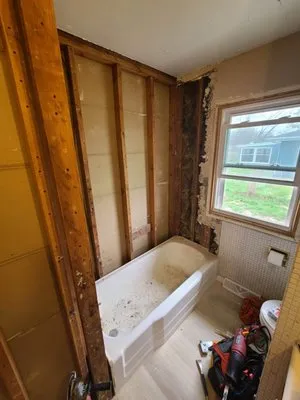
J3 Drywall & Construction is a trusted, full-service contractor serving Cedar Rapids, IA, and surrounding areas. We specialize in a wide range of home improvement and repair services, including bathro...
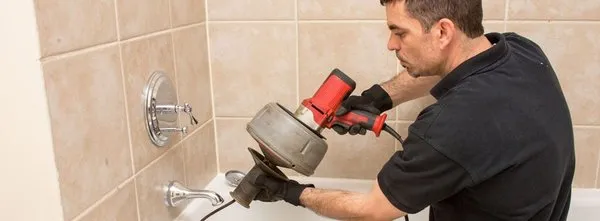
Captain Drain USA is a family-operated plumbing service deeply rooted in the Waterloo community. Founded by John, whose experience in the plumbing trade dates back to the 1980s, the company has grown ...
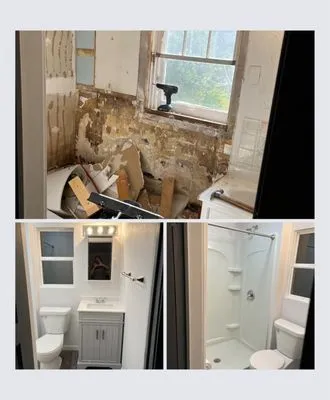
Jason's Showers is a trusted plumbing and bathroom remodeling service based in Cedar Falls, IA, specializing in shower and bathtub installations. With over 300 successful installations completed, we b...
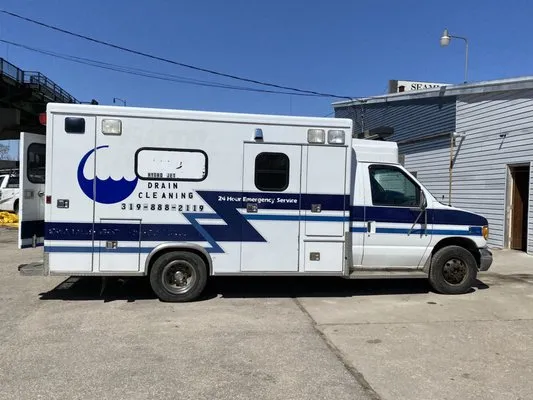
Central Iowa Plumbing is your trusted, full-service plumbing partner serving Rhodes and the surrounding communities. We understand that plumbing problems rarely happen at a convenient time, which is w...

Iowa Sewer & Drain Service is your trusted, full-service plumbing partner serving Conrad and the surrounding Iowa communities. As a locally owned and operated business, we specialize in a comprehensiv...
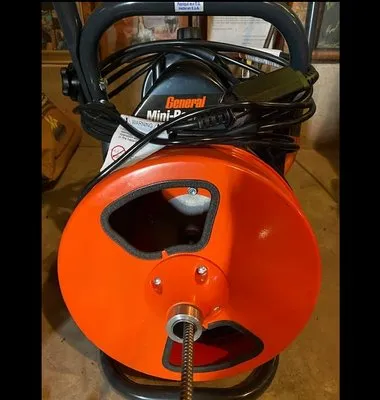
Sentry Plumbing is a family-owned, veteran-owned plumbing service based in Marshalltown, IA, dedicated to providing reliable residential plumbing solutions for local homeowners. We specialize in a com...
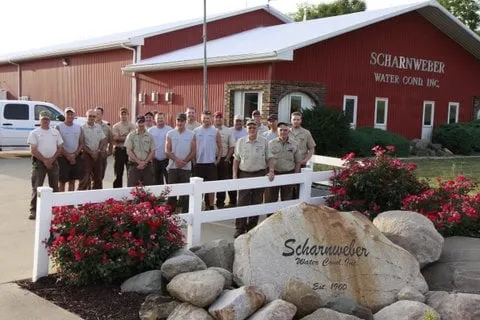
Scharnweber Water Conditioning Inc
Scharnweber Water Conditioning Inc has been a trusted name in Toledo, Iowa, and the surrounding communities since the 1970s. We specialize in providing reliable installation, repair, and maintenance s...
Estimated Plumbing Costs in Tama, IA
Common Questions
Why are so many Tama homes having plumbing problems right now?
Galvanized steel pipes installed around 1956 are now 70 years old. Homeowners in Downtown Tama are seeing rust-colored water, reduced water pressure, and frequent leaks as the interior zinc coating has worn away. This corrosion accelerates after six decades, causing pipe walls to thin and eventually fail. Many houses built during that post-war expansion are reaching their expected lifespan for this material.
Who handles plumbing permits and inspections in Tama?
I coordinate directly with the Tama City Clerk Office for all required permits and schedule inspections through the Iowa Plumbing and Mechanical Systems Board. My license ensures work meets current state codes, which is particularly important for older homes with galvanized steel systems. Handling this red tape myself saves homeowners time and guarantees compliance with local regulations.
How does Tama's flat land affect plumbing drainage?
The plain terrain around Meskwaki Casino provides minimal natural slope for drainage systems. This can lead to standing water that puts hydrostatic pressure on foundation walls and buried pipes. Main lines may experience stress from soil saturation during heavy rains, increasing the risk of joint separation or collapse. Proper grading around your home's foundation helps direct water away from critical plumbing infrastructure.
What should Tama homeowners do before spring thaw?
Insulate exposed pipes in crawl spaces and basements before temperatures drop to 10°F. Check outdoor spigots for proper drainage to prevent freeze damage during rapid thaws. Spring thaw puts extra pressure on older plumbing systems as ground shifts, so have your main line inspected for weaknesses. These preventive steps avoid emergency calls when seasonal changes stress your pipes.
Are septic systems common in rural Tama areas?
Many properties outside Downtown Tama rely on septic systems and private wells rather than municipal services. Well pumps require regular maintenance to handle hard water scaling, and septic tanks need periodic pumping to prevent backups into household drains. Understanding your specific water source and waste system is essential for proper plumbing care in our rural setting.
Does Tama's hard water damage water heaters?
Hard water from the Iowa River deposits scale inside water heater tanks and on heating elements. This mineral buildup reduces efficiency by insulating the heat source, forcing the unit to work harder and shortening its lifespan. Fixtures like showerheads and faucets develop flow restrictions from accumulated scale. Installing a water softener or scheduling regular descaling can prevent premature failure of these appliances.
How quickly can a plumber reach my home in Tama?
Heading past Meskwaki Casino on US-30 gets me into the heart of Tama within minutes. From there, I can access most neighborhoods directly. The 45-60 minute response window accounts for navigating local streets and gathering the right tools for your specific issue. This route avoids unnecessary delays when you need immediate help.
What causes those small leaks in old Tama home pipes?
Galvanized steel pipes from 1956 develop pinhole leaks due to internal corrosion and scale buildup. As the zinc coating deteriorates, exposed steel reacts with minerals in our water, creating weak spots that eventually perforate. Joint calcification also occurs where fittings accumulate hard water deposits, restricting flow and causing stress fractures. These failures are predictable at this age and require proactive inspection.
