Top Emergency Plumbers in Saint Ansgar, IA, 50472 | Compare & Call

There are 232 plumbing companies server in Saint Ansgar IA
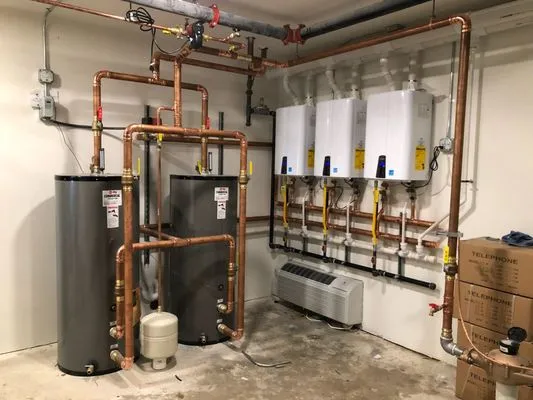
Bergman Plumbing has been a trusted fixture in the Fort Dodge community since 1974, providing reliable plumbing solutions for both homes and businesses. With over 100 years of combined experience amon...
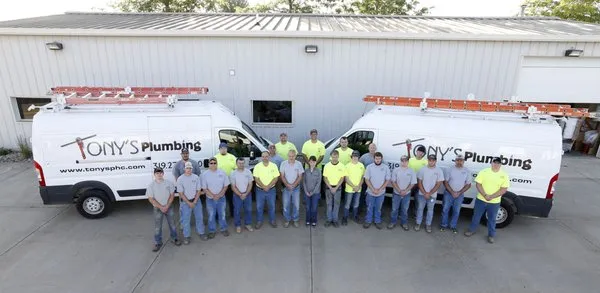
Tony's Plumbing & Heating
Tony's Plumbing & Heating has been serving Cedar Falls, Waterloo, and Waverly since 2010 with reliable plumbing and heating solutions. Our team of OSHA-trained and certified plumbers provides comprehe...
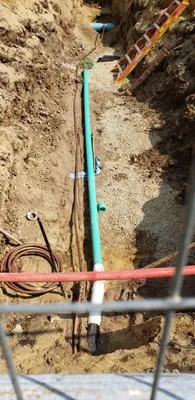
Founded in 2007 and established as an independent business in 2020, this Lawler-based plumbing service has grown from general plumbing work to master-level expertise. The company prioritizes thorough,...
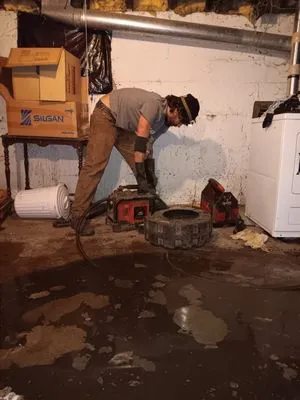
Schitz Drain Cleaning is a locally owned small business in Waterloo, IA, dedicated to providing reliable plumbing and drain cleaning services. We specialize in same-day drain cleaning and offer 24/7 e...
RainSoft of NE Iowa
RainSoft of NE Iowa is a family-owned business built on local roots and personal experience. Founder Terry Bonik started the company in Oelwein in 1981 after years in the industry, driven by a commitm...
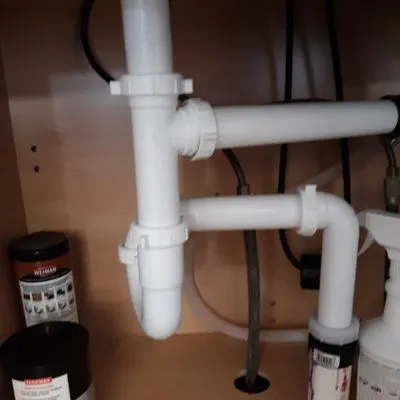
Ruger Drain Cleaning is a trusted plumbing service in Waterloo, IA, specializing in resolving common household plumbing problems that local residents frequently face. Many Waterloo homes deal with iss...
Young Plumbing & Heating
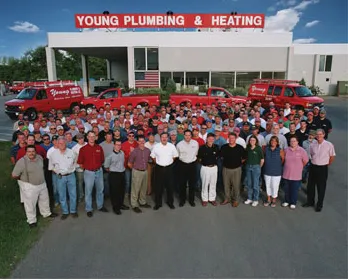
Young Plumbing & Heating Co. is a fourth-generation, family-owned business that has been a trusted part of the Waterloo and Cedar Falls community since 1882. With a team of 23 full-time technicians an...
Pot's Plumbing & Heating
Pot's Plumbing & Heating has been a trusted, family-owned provider of plumbing and HVAC services in Ackley and the surrounding Butler, Hamilton, and Grundy counties for years. We hold a master license...
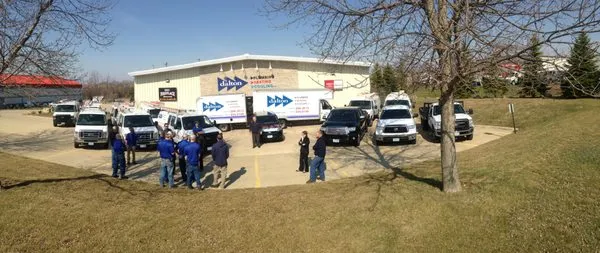
Dalton Plumbing, Heating, Cooling, Electric, and Fireplaces has been a trusted local provider in Cedar Falls, IA, and the surrounding Waterloo area since 1959. As a locally owned and operated business...

Crystal Heating & Plumbing
Crystal Heating & Plumbing has been a trusted heating, cooling, plumbing, and excavating service provider in Waverly, IA, and the surrounding Cedar Valley area since 1930. As a licensed, insured, and ...
Estimated Plumbing Costs in Saint Ansgar, IA
Questions and Answers
My Downtown Saint Ansgar home was built around 1965—should I be worried about my plumbing?
Copper pipes installed in 1965 are now 61 years old, which is near the end of their typical lifespan. Homeowners in Downtown Saint Ansgar are seeing increased pinhole leaks, joint failures, and reduced water pressure as the metal thins from decades of use. This aging accelerates in areas with hard water, and many systems need partial or full replacement to avoid sudden failures.
How quickly can a plumber reach my home in Saint Ansgar for an emergency?
From our base near Cedar River, we head north on US-218, which provides direct access to most neighborhoods. This route avoids backroads and keeps response times within 45–60 minutes, even during peak traffic. We prioritize emergencies like burst pipes or sewer backups to minimize damage.
As a rural homeowner, what unique plumbing concerns should I watch for?
Rural properties often rely on wells and septic systems, which require regular maintenance. Well pumps can fail from hard water scale, while septic tanks need pumping every 3–5 years to avoid backups. Testing water quality annually and monitoring drainage fields ensures these systems function reliably.
Who handles permits and inspections for plumbing work in Mitchell County?
Mitchell County Zoning and Environmental Health oversees local permits, and the Iowa Plumbing and Mechanical Systems Board sets state codes. As a licensed master plumber, I manage all paperwork and inspections, ensuring compliance so homeowners avoid fines or project delays.
What should I do to prepare my plumbing for Saint Ansgar's cold winters?
With lows around 7°F, insulate exposed pipes in unheated areas like basements or crawl spaces. Before spring thaw, check for leaks that may have developed over winter, as temperature swings can stress older joints. Draining outdoor spigots and maintaining consistent indoor heat helps prevent freeze-ups.
Why do my copper pipes keep springing small leaks?
Copper pipes from the 1960s often develop pinhole leaks due to corrosion and scale buildup inside the lines. Over 60 years, water chemistry and mineral deposits wear thin spots in the metal, especially at joints and bends. These leaks start small but can quickly worsen, requiring spot repairs or section replacements.
Could the flat land near Cedar River cause drainage issues for my home?
Plain terrain around Cedar River can lead to poor drainage, as water pools instead of flowing away. This puts constant pressure on your main sewer line and foundation, increasing the risk of backups or pipe stress. Proper grading and periodic drain cleaning help manage these conditions.
Does hard water from the Cedar River damage my plumbing fixtures?
Hard water carries minerals that accumulate as scale inside pipes, water heaters, and fixtures. This buildup reduces flow, strains water heater elements, and shortens appliance lifespans. Installing a water softener or descaling treatments can mitigate these effects and extend your system's durability.
