Top Emergency Plumbers in Postville, IA, 52162 | Compare & Call

There are 240 plumbing companies server in Postville IA
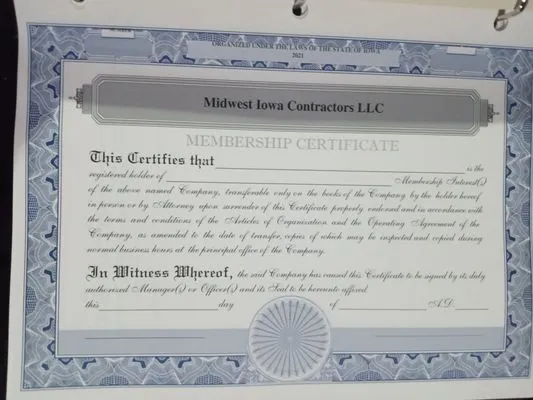
Midwest Iowa Contractors
Midwest Iowa Contractors is a Des Moines-based home improvement company serving the local community with comprehensive remodeling and repair services. We specialize in both electrical and plumbing wor...

Colony Plumbing, Heating & Air Conditioning
Colony Plumbing, Heating & Air Conditioning has been serving Cedar Rapids and surrounding communities since 1973, starting as a small two-man shop in the Amana Colonies before settling in Cedar Rapids...
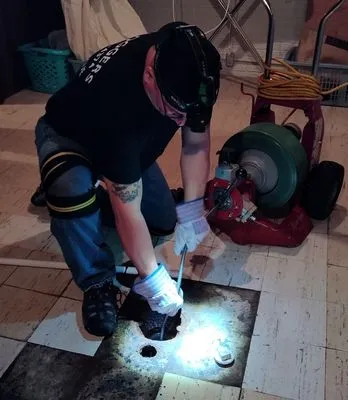
For over 47 years, Uncloggers To The Rescue has been the trusted local plumbing service for Cedar Rapids residents and businesses. We specialize in clearing stubborn sewer line and drain clogs, with a...
Complete Home Maintenance
Complete Home Maintenance, LLC is a second-generation family business serving Cedar Rapids, IA, with over 30 years of hands-on experience in home maintenance and construction. We provide comprehensive...

Johnson Plumbing Service
Johnson Plumbing Service has been the trusted plumbing expert for Cedar Rapids homes and businesses for over two decades. As a licensed and locally-owned company, we specialize in both comprehensive r...
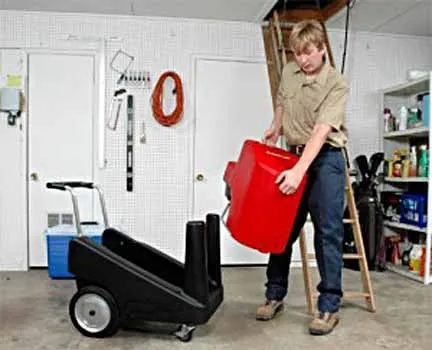
JP Plumbing & Heating
JP Plumbing & Heating has been a trusted, family-owned provider in Marion, IA, since 2009. We are Master Plumber and Master HVAC certified, holding an A+ BBB rating. We offer comprehensive plumbing, h...

Phil’s Sewer and Drain Cleaning
Phil's Sewer and Drain Cleaning provides comprehensive plumbing and drain services for Amana and the surrounding area. With a combined 10 years of experience in the trades, I handle both residential a...

Cedar Rapids Plumbing, Heating & Cooling
Serving the Cedar Rapids community since 1953, Cedar Rapids Plumbing, Heating & Cooling is a locally owned and operated company with deep roots in Eastern Iowa. Founded as a family business, we have e...
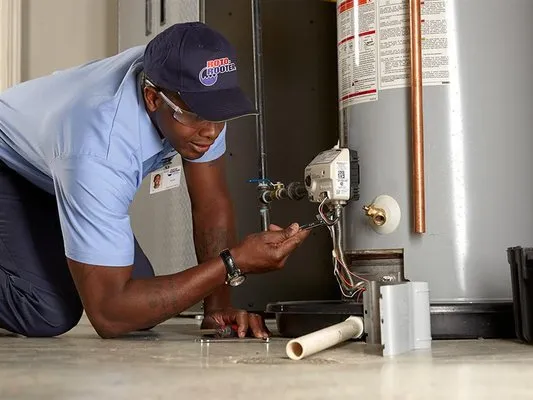
Roto-Rooter
Roto-Rooter in Cedar Rapids, IA, is your trusted local plumbing and drain service provider, offering comprehensive solutions for homeowners throughout the area. We specialize in addressing common loca...
Jab plumbing
Jab Plumbing is a trusted, full-service plumbing company serving Cedar Rapids, IA, and the surrounding areas. We specialize in a comprehensive range of residential plumbing services, from routine repa...
Estimated Plumbing Costs in Postville, IA
Common Questions
Why do my old galvanized pipes keep springing pinhole leaks?
Pinhole leaks are the signature failure of 1950s-era galvanized steel. Over 70 years, electrochemical corrosion eats at the pipe wall from the inside out, creating weak spots. The hard, mineral-rich water from our aquifer accelerates this process. A leak often starts at a threaded joint where two pipes connect, as that's where corrosion and scale buildup concentrate stress.
What permits do I need for a water heater replacement in Allamakee County?
A permit from Allamakee County Zoning and Environmental Health is required, and the installation must meet all Iowa Plumbing and Mechanical Systems Board codes. This includes proper pressure relief valve discharge and seismic strapping in some cases. As a licensed master plumber, I pull the permits, schedule the inspections, and handle that red tape so you don't have to worry about compliance.
How long does it take for a plumber to get to my house in Postville?
Our typical dispatch route from the shop heads past Postville City Park to connect with US Highway 52, which covers most of the town. With that routing, we can be at your door in 45 to 60 minutes for an emergency call. We factor in local traffic and weather on the hills to give you a realistic arrival window when you call.
Are 70-year-old pipes in Postville homes a real problem?
Yes, they are. Galvanized steel pipes installed in the 1950s, like many in Downtown Postville, are now 73 years old. Their expected lifespan was 40-50 years. Homeowners currently see persistent low water pressure and rust-colored water because decades of internal corrosion have drastically narrowed the pipe diameter. Complete pipe wall failure is not a matter of if, but when.
What's one thing I should do before spring to avoid a plumbing disaster?
Disconnect and drain your outdoor garden hoses before the first hard freeze. A more specific pro-tip for our temperate climate is to check your basement for slow drips during the spring thaw in March. As the ground saturated with meltwater shifts, it can stress old pipe joints and foundations, revealing leaks that weren't apparent during the frozen winter months.
Does Postville's hard water ruin water heaters?
It significantly shortens their life. Water drawn from the Jordan Aquifer is very hard, meaning it's high in calcium and magnesium. These minerals solidify into scale when heated, coating the bottom of your tank and the heating elements. This scale acts as an insulator, forcing the heater to work harder and overheat, which leads to premature failure and higher energy bills.
Could the hills in Postville be causing my drainage problems?
Absolutely. Hilly terrain, like the slopes around Postville City Park, directly impacts drainage. If your home is downhill, you might deal with excessive water pooling. If you're uphill, the constant slope puts extra gravitational stress on your main sewer line, which can lead to joint separation or pipe sag over time. We often have to account for grade and soil stability when repairing lines here.
Is well and septic system care different for rural Postville properties?
It requires a more proactive approach. Unlike a municipal system, you are solely responsible for your water quality and waste treatment. We recommend annual well inspections for bacteria and checking the septic tank every 3-5 years. The hard water also means well equipment like pumps and pressure tanks suffer more from scale buildup, which needs to be monitored to avoid sudden failure.
