Top Emergency Plumbers in Nashua, IA, 50658 | Compare & Call

There are 10 plumbing companies server in Nashua IA
RainSoft of NE Iowa
RainSoft of NE Iowa is a family-owned business built on local roots and personal experience. Founder Terry Bonik started the company in Oelwein in 1981 after years in the industry, driven by a commitm...
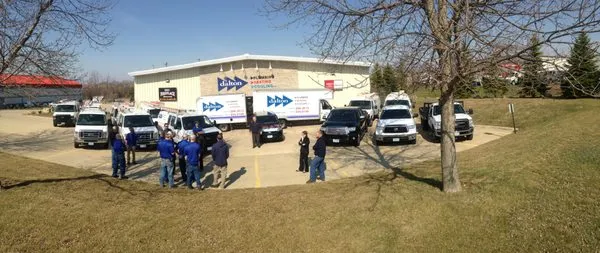
Dalton Plumbing, Heating, Cooling, Electric, and Fireplaces has been a trusted local provider in Cedar Falls, IA, and the surrounding Waterloo area since 1959. As a locally owned and operated business...

J's Remodeling Services is a trusted Hampton, IA contractor specializing in drywall and wall finishing work, from installation and repair to texturing. We understand that local homeowners often face p...
Pickar Oulman
Pickar-Oulman Plumbing, Heating & Electrical, Inc. has been the trusted provider for home systems in Riceville, Iowa, and across Mitchell, Howard, and Floyd counties since 2011. Founded and operated b...
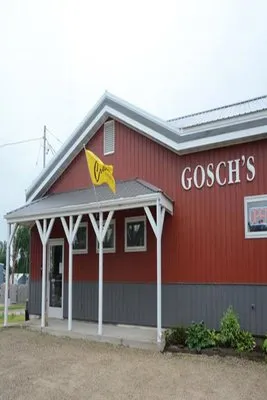
Gosch's Plumbing, Heating, & Duct Cleaning
Gosch's Plumbing, Heating, & Duct Cleaning has been Cresco's trusted plumbing, heating, and cooling specialist since 1971. Serving Winneshiek, Chickasaw, Howard, and Mitchell Counties, this family-own...
Bockhaus Plumbing & Heating
Bockhaus Plumbing & Heating is your trusted local plumbing expert serving Nashua, IA, and surrounding communities. With years of experience addressing the unique plumbing challenges of our area, we sp...
Nashua Plumbing & Heating is your trusted local plumbing expert, proudly serving the Nashua, IA community. We understand the frequent and disruptive plumbing issues homeowners face here, particularly ...
Rise Up Plumbing is your trusted local plumbing expert in Nashua, IA. We understand that homeowners here face specific challenges, like sudden dishwasher leaks or laundry hose bursts that can cause si...
Pederson Plumbing and Heating
Pederson Plumbing and Heating is a trusted, locally-owned plumbing service in Nashua, IA, dedicated to keeping homes and businesses running smoothly. We specialize in thorough plumbing inspections to ...
ALL 4 walls Cleaners is a small, family-oriented business in Nashua, IA, that takes pride and ownership in every client's needs as if they were our own. We specialize in a wide range of services for i...
Estimated Plumbing Costs in Nashua, IA
FAQs
Could the flat land near Little Brown Church affect my home's drainage?
The plain terrain has minimal natural slope for drainage. During heavy rain or rapid snowmelt, water can pool and saturate the soil around your foundation. This puts constant hydrostatic pressure on your basement walls and can overwhelm perimeter drains, leading to seepage or a sump pump failure.
Why are so many Downtown Nashua homes having rusty water issues now?
Your home's original galvanized steel pipes are about 69 years old. The interior zinc coating that protected the steel is completely gone. What you see now is the raw steel rusting from the inside, which restricts water flow and discolors the water. These pipes are beyond their service life and are actively failing.
What causes sudden leaks in the pipes of older Nashua homes?
Galvanized steel from the late 1950s is prone to pinhole leaks. Decades of internal corrosion and mineral scale from our hard water create weak spots. The pipe wall thins until a small hole forms, often first appearing at threaded joints or where the pipe was nicked during original installation.
What's the best way to prepare my Nashua home's plumbing for winter?
Our 8-degree lows mean any exposed pipe is at risk. The real danger period is the spring thaw, when frozen ground shifting can snap buried service lines. Before winter, disconnect garden hoses and shut off exterior spigots from inside. Insulating pipes in unheated crawl spaces is a simple, effective defense.
Does Cedar River water damage my plumbing fixtures?
The water itself is safe, but it is very hard. The high mineral content causes scale to build up inside pipes, water heaters, and faucet aerators. This scale reduces efficiency, shortens appliance lifespans, and can completely clog showerheads over time. A water softener is a critical investment here.
How fast can a plumber get to me in Nashua during an emergency?
Heading past Little Brown Church in the Vale on US-218, we can reach most homes in the area within 45 to 60 minutes. This is a direct route from our shop. We maintain trucks stocked for common local emergencies like burst pipes or failed water heaters to minimize any extra stops.
Do I need a permit to replace my water heater in Nashua, IA?
Chickasaw County Building and Zoning requires permits for water heater replacements to ensure proper venting and pressure relief. As a Master Plumber licensed by the Iowa Plumbing and Mechanical Systems Board, I pull all necessary permits and schedule the inspections. This handles the red tape so you don't have to and guarantees the work is to code.
Are there special plumbing concerns for a rural home in Chickasaw County?
Yes, with no municipal sewer, your septic system and well are your responsibility. Septic tanks need pumping every 3-5 years, and well components like the pressure tank and foot valve will eventually wear out. It's important to know the location and depth of your wellhead for any service work.
