Top Emergency Plumbers in Monona, IA, 52159 | Compare & Call

There are 239 plumbing companies server in Monona IA
Colony Plumbing, Heating & Air Conditioning
Colony Plumbing, Heating & Air Conditioning has been serving Cedar Rapids and surrounding communities since 1973, starting as a small two-man shop in the Amana Colonies before settling in Cedar Rapids...
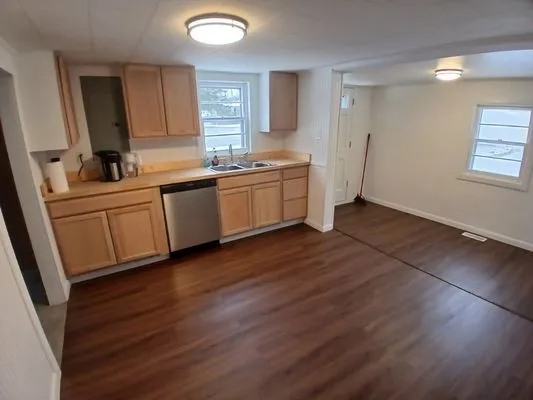
Ole Geezers Handyman Service
Ole Geezers Handyman Service is a Cedar Rapids-based business owned and operated by a US Army Veteran with over 25 years of experience in construction trades, civil engineering, and mechanics. While n...
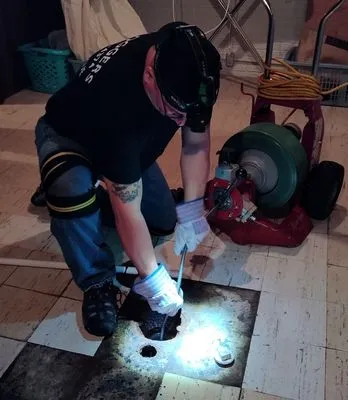
For over 47 years, Uncloggers To The Rescue has been the trusted local plumbing service for Cedar Rapids residents and businesses. We specialize in clearing stubborn sewer line and drain clogs, with a...
Complete Home Maintenance
Complete Home Maintenance, LLC is a second-generation family business serving Cedar Rapids, IA, with over 30 years of hands-on experience in home maintenance and construction. We provide comprehensive...

Johnson Plumbing Service
Johnson Plumbing Service has been the trusted plumbing expert for Cedar Rapids homes and businesses for over two decades. As a licensed and locally-owned company, we specialize in both comprehensive r...
JP Plumbing & Heating
JP Plumbing & Heating has been a trusted, family-owned provider in Marion, IA, since 2009. We are Master Plumber and Master HVAC certified, holding an A+ BBB rating. We offer comprehensive plumbing, h...
Phil’s Sewer and Drain Cleaning
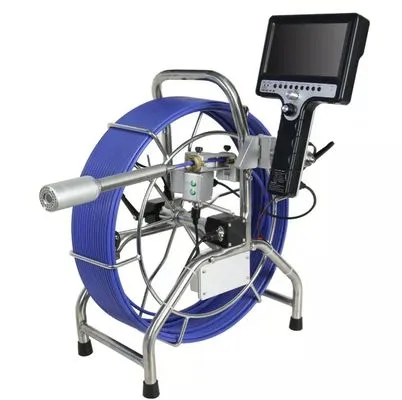
Phil's Sewer and Drain Cleaning provides comprehensive plumbing and drain services for Amana and the surrounding area. With a combined 10 years of experience in the trades, I handle both residential a...

Cedar Rapids Plumbing, Heating & Cooling
Serving the Cedar Rapids community since 1953, Cedar Rapids Plumbing, Heating & Cooling is a locally owned and operated company with deep roots in Eastern Iowa. Founded as a family business, we have e...
Master Plumbing, Heating, & Cooling
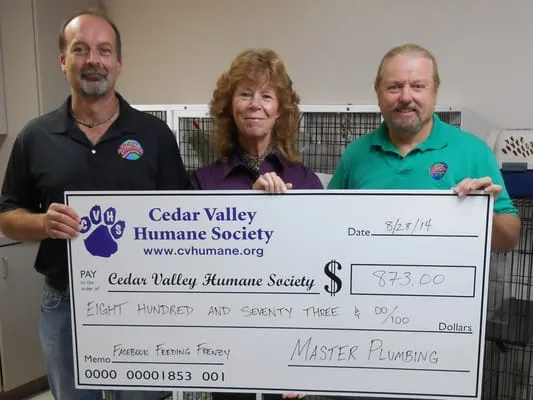
Master Plumbing, Heating & Cooling has been serving Cedar Rapids and surrounding communities since 1986, founded by Dave, a U.S. Navy Seabees veteran who served in Vietnam. After returning home and ea...
Jab plumbing
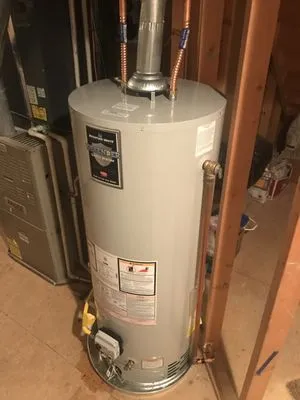
Jab Plumbing is a trusted, full-service plumbing company serving Cedar Rapids, IA, and the surrounding areas. We specialize in a comprehensive range of residential plumbing services, from routine repa...
Estimated Plumbing Costs in Monona, IA
Question Answers
Do I need a permit to replace my water heater in Clayton County?
Yes, water heater replacements in Monona require a permit from Clayton County Building and Zoning, and the work must be done by a licensed professional. As a Master Plumber licensed by the Iowa Plumbing and Mechanical Systems Board, I pull the permit, schedule the required inspections, and ensure the installation meets all current code for expansion tanks and proper venting. I handle that red tape so you don't have to.
Could the hills in Monona be causing my drainage problems?
Absolutely. The hilly terrain, like the slopes around Monona City Park, puts constant gravitational stress on buried sewer mains and laterals. Over decades, this can cause pipes to sag or separate at the joints. During heavy rain or spring thaw, water follows the slope and can saturate the soil, increasing hydrostatic pressure that leads to basement drain backups or infiltration into cracked lines.
How long does it take to get a plumber out to Monona, Iowa?
My typical dispatch route has me heading past Monona City Park on US-18. From there, it's a direct shot into town. Barring weather or traffic, that's about a 45 to 60 minute drive. I plan routes to minimize response time for calls in the Monona area.
Why does my old galvanized pipe keep springing pinhole leaks?
Galvanized steel installed in 1947 corrodes from the inside out. Decades of mineral deposits and internal rusting create scale that clogs the pipe, while simultaneously making the metal wall brittle. This scale buildup creates uneven pressure points, and the thinned metal eventually gives way, resulting in those small, persistent pinhole leaks. It's a systemic failure of the material itself.
What's the most important thing to do for my plumbing before winter in Monona?
The critical task is a complete outdoor faucet winterization before temperatures hit that 8°F low. Disconnect all hoses, shut off the interior valve to each sillcock, and open the outdoor spigot to drain the line. A pro-tip for our temperate climate is to do this after the fall growing season but well before the first hard freeze, as a single overnight dip can freeze and split a faucet or pipe.
Are there special plumbing considerations for a rural home near Monona?
Yes, rural properties here typically rely on a private well and septic system, not municipal services. This means water pressure is managed by a well pump and pressure tank, and all waste is treated on-site. Maintenance focuses on the septic tank's pumping schedule, the condition of the drain field, and ensuring the well's pitless adapter and casing are secure to prevent contamination.
Our house in Downtown Monona was built in 1947. What's happening to the pipes now?
Homes built in 1947 have galvanized steel plumbing that is about 79 years old. You are likely seeing the final stage of its lifespan, where corrosion has caused the pipe walls to thin significantly. In Downtown Monona, this often manifests as a sudden drop in water pressure from multiple fixtures or recurring rust-colored water, signaling imminent failure. The original piping has simply reached the end of its serviceable life.
Does Monona's hard water damage my water heater?
Water drawn from the Jordan Aquifer is very hard, meaning it carries a high mineral load. Those minerals, primarily calcium and magnesium, precipitate out as scale when heated. Inside your water heater, this scale forms a thick, insulating layer on the heating element or gas burner, forcing it to work harder and drastically shortening the tank's lifespan. You'll see higher energy bills and may get less hot water before failure.
