Top Emergency Plumbers in Guttenberg, IA, 52052 | Compare & Call

There are 11 plumbing companies server in Guttenberg IA
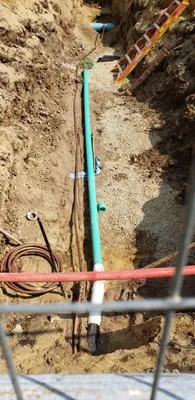
Founded in 2007 and established as an independent business in 2020, this Lawler-based plumbing service has grown from general plumbing work to master-level expertise. The company prioritizes thorough,...
Eastern Iowa Pumping Inc. is a licensed, bonded, and insured pumping contractor based in Manchester, IA, serving a 300-mile radius from its home location. Established in 1996, the company specializes ...
East Iowa Mechanical is a trusted plumbing service provider based in Epworth, IA, dedicated to addressing the common plumbing challenges faced by local homeowners. Specializing in thorough plumbing in...
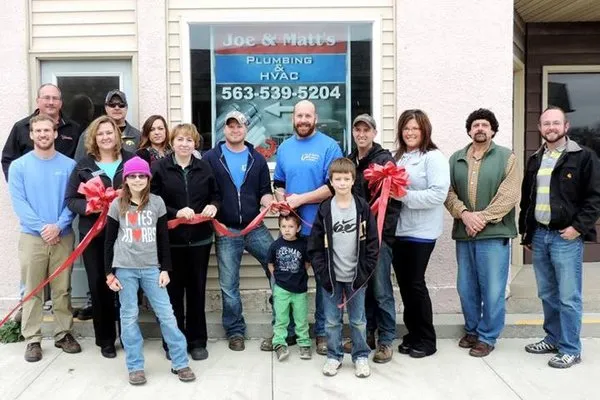
Joe & Matt's Plumbing And HVAC
Joe & Matt's Plumbing And HVAC has been the trusted name for heating, cooling, and plumbing solutions in Allamakee, Clayton, and Winneshiek Counties since 2015. Founded by Joe, a Master Plumber who ea...
Boge Mechanical Systems
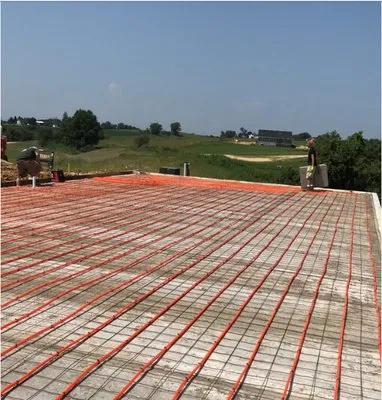
Boge Mechanical Systems is a trusted, full-service plumbing and HVAC contractor serving Dyersville, IA, and the surrounding area. We specialize in resolving common local plumbing issues like bathroom ...
Guttenberg Plumbing & Heating is your trusted, locally-owned plumbing expert serving Guttenberg, IA. We understand the common frustrations homeowners face, like dishwasher leaks and slow-draining bath...

Meyer Mechanical Contracting & Service Company is your trusted, locally-owned plumbing expert in Guttenberg, IA. We specialize in addressing the specific challenges that Guttenberg homeowners and busi...

Wertz Plumbing & Heating
For over 65 years, Wertz Plumbing & Heating, Inc. has been the trusted plumbing and HVAC specialist for residents and businesses across Crawford, Grant, Iowa, Richland, Sauk, and Vernon counties. From...
3B's Construction & Maintenance is your Platteville, Wisconsin, contractor for a full range of home projects. We combine skilled electrical, plumbing, and general construction work to handle everythin...
Burke Plumbing & Heating
Burke Plumbing & Heating is a family-owned and operated plumbing and HVAC service provider that has been serving Mineral Point and the surrounding Lafayette and Iowa counties since 1994. With over 43 ...
Estimated Plumbing Costs in Guttenberg, IA
Q&A
Could the hilly land near Lock and Dam No. 10 be causing my drainage issues?
Absolutely. The slope of the terrain places significant static stress on the main sewer line running from your home to the street. Over decades, this constant pressure can cause the pipe to sag or develop bellies where waste collects. Furthermore, soil erosion common in hilly areas can expose or undermine exterior lines, making them susceptible to damage from freeze-thaw cycles or ground movement.
Who handles the permits when I need a major plumbing repair in Guttenberg?
Any significant repair or repipe requires a permit from Guttenberg City Hall. As a master plumber licensed by the Iowa Plumbing and Mechanical Systems Board, I handle that red tape for you. This includes submitting the required plans, scheduling inspections, and ensuring the work meets all current state and local codes, so you don't have to navigate the bureaucracy yourself.
What is the most likely cause of a small, persistent leak in my Guttenberg home's pipes?
Given the age of the plumbing, pinhole leaks from galvanized steel corrosion are highly probable. The pipe interior rusts unevenly, creating weak spots that eventually perforate. Another common failure point is at the threaded joints, where decades of mineral scale from our hard water cause calcification and cracking. These leaks often start small but can rapidly worsen, especially during pressure changes.
What's the most important thing to do for my plumbing before winter in Guttenberg?
The critical action is to disconnect and drain your exterior garden hoses before temperatures hit the seasonal low of around 12°F. A hose left connected traps water in the faucet bib, which freezes and splits the pipe inside your wall. A pro-tip for our temperate climate is to also check your crawl space or basement insulation in late fall, as spring thaw can shift foundations and stress already vulnerable pipes.
Why are so many homes in Guttenberg having plumbing problems all of a sudden?
Many homes here were built around 1963, which means the original galvanized steel piping is now 63 years old. That material has a functional lifespan of about 40 to 60 years. Downtown, you're seeing the cumulative effect: internal rust and scale buildup have severely restricted water flow, leading to low pressure at fixtures. Complete pipe wall failure, resulting in leaks inside walls or under slabs, is now a common and expected issue for these aging systems.
Does the Mississippi River water affect my home's plumbing and appliances?
Yes, directly. The river is the source for our municipal water, which is very hard. That mineral content causes limescale to accumulate inside pipes, water heaters, and faucet cartridges. In a water heater, this scale acts as an insulator on the heating elements, forcing the unit to work harder and fail sooner. You'll also notice reduced flow and premature wear on fixture seals and moving parts.
How long does it take for a plumber to get to Guttenberg for an emergency call?
For a true emergency, our dispatch route typically has us heading past Lock and Dam No. 10 on US-52. From there, it's a direct shot into town. Barring major weather or road work, that puts our average response window at 45 to 60 minutes from the initial call. We prioritize calls to get someone en route as quickly as possible.
Are there special plumbing considerations for living in a rural area like Guttenberg?
While Guttenberg has municipal water and sewer, many surrounding properties rely on private wells and septic systems. For those systems, maintenance is entirely the homeowner's responsibility. This means regular well pump checks, water quality testing for hardness and iron, and mandatory septic tank pumping every 3-5 years to prevent backups and costly field line replacements.
